Back in 2024, I went on my first big trip, a 3-week road trip in the US and 3 months of camping around Europe. And of course, I planned to shoot as much film photography as possible to make the most of this once-in-a-lifetime opportunity.
Diving into film photography on a long trip might sound simple: just grab your film camera, pack your film, get shooting, and everything will be fine. But there are some important things to think about before you do this kind of thing.
So I may as well start at the beginning.
1. Be Aware of Airport Scanners
This is one of those things that can catch the best of us out, and since I’ve travelled quite a lot with film, I think I’m getting the hang of it.
If you’re travelling with film, be really wary of airport scanners. Most older scanners won’t damage your film. I’ve travelled a lot through older scanners and I’ve seen no problems whatsoever with my rolls.
How do you know if it’s an older scanner? Well, if you still have to take all of your electronics out of your bag and have all your liquids in a clear plastic bag, then usually, that’s an older scanner which won’t completely blast your film to smithereens.
Whereas, in Manchester, I noticed they have new scanners where they don’t ask you to take electronics out. When I noticed this, I thought I’d ask to see if they would hand-check my film, and for the first time ever, they were more than happy to.
If you’re concerned, you can ask every time you go to the airport, but generally, this is a good rule of thumb. Take precautions or you could come back with a whole lot of nothing.

2. Get the Right Film for the Job
What is the right film for the job? Well, it depends where you’re going and what you’re doing.
If you’re on a budget, Kodak Gold will be just fine. It’s cheap, it’s got that vintage feel, and if you’re in a sunny location, then 200 ISO will work perfectly.
Whereas, if you’re going to some dark far off land in the middle of winter then you’ll probably want something like Kodak Portra 800 or Cinestill 800T.
But generally, I tend to use Kodak Portra 400, it’s super versatile, so it’s ideal for shooting in all different kinds of light which is what you’ll get while you’re travelling. Morning, noon and night all look really different, so a versatile film will do a lot for you.
3. Have the Right Gear for the Job
When you’re on the move for film photography, you need to have the right camera and lens.
What I realised was that I ended up purely using just one lens for about 95% of all of my photos, and that was my 35mm lens. It’s likely you’ll think you need all three lenses, a zoom lens, a spare body, whatever. But my advice is to keep it simple.
If you’re not confident with your camera, get confident. If it’s hard to use, maybe consider getting something easier. There’s nothing worse than missing those one-off moments just because you weren’t quite ready or you couldn’t find focus.
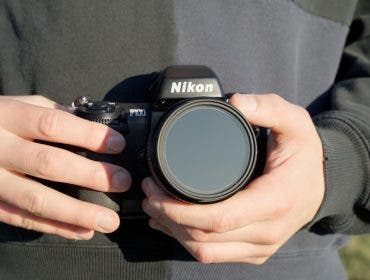
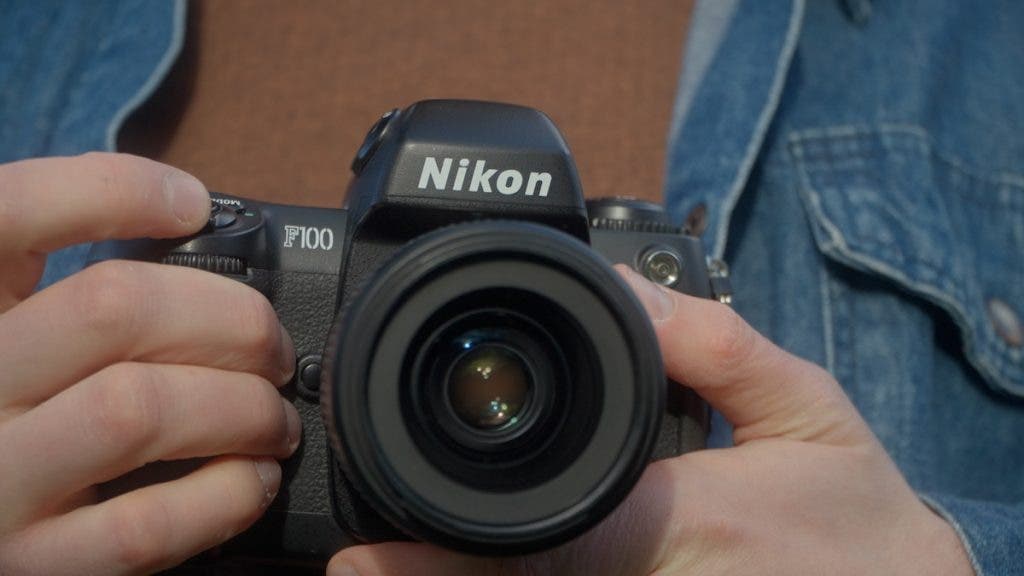
Personally, I use the Nikon F100, which has autofocus, aperture priority, and the 35mm lens is really high quality. That simplicity allowed me to shoot without thinking too much, without worrying about manual settings.
Also, it’s worth getting a sling bag, something you can wear on the front of your body so you can easily get to your camera without having to wear it on a strap. There’s nothing wrong with a strap but it can make you a bit of a target for pickpockets in certain locations, whereas if you have it concealed in a sling bag, you’re all good!
4. Consider Buying Film on Location
I was pretty surprised when I first visited San Francisco. I visited a lab and bought some film, and it ended up being around £12 a roll for Portra 400, whereas in the UK it’s about £20 a roll.
Similarly, when I visited Valencia, I found Portra 400 for 16 Euros, which was once again much cheaper than the UK.
So depending on where you’re based, it could be worth waiting until you get to your location before stocking up on your film.
Make the Most of It
Make sure you get the best photos possible. The key to great travel photography is being intentional, rather than just wandering around with your camera taking random snapshots.
Usually, I try to take some time to specifically shoot on my own. That’s because when you’re travelling with people, it’s hard to go wherever you want and shoot whatever you want.
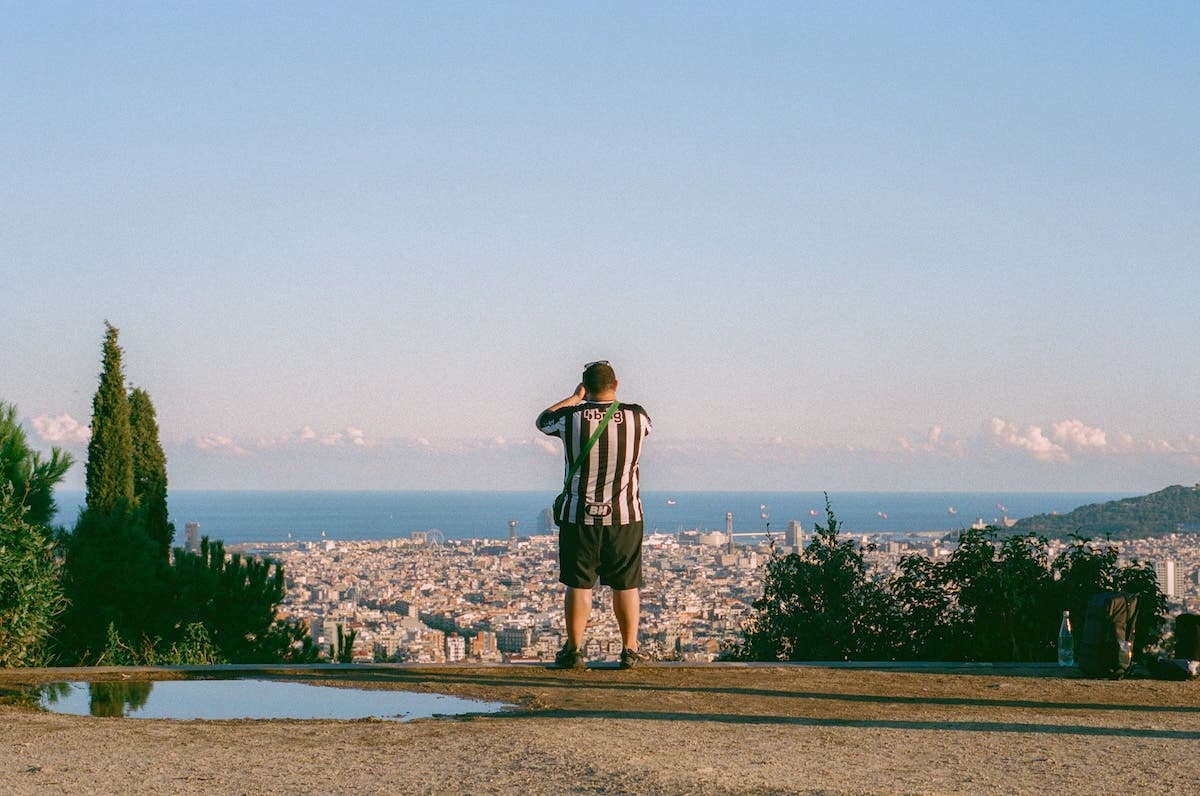
A good time to do this is first thing in the morning, preferably around sunrise. You’ll not only get that time to yourself, but you’ll also be shooting at the most beautiful time of the day: blue hour and golden hour, that time when light is super diffused and there are blue and yellow hues all over the place.
It’s not just that, though. You also get to shoot when there’s no one around. No tourists on the streets means you’ll get completely unique photos of your location.
This is something I live by; it’s a really simple way of getting completely different photos than everyone else.

Final Thoughts
Shooting film photography while you’re on the road should be simple. Don’t overcomplicate things. Don’t take too much gear. If you really need something, you can probably get it while you’re out there.
Keep yourself safe from airport scanners, keep your gear nice and safe but accessible for yourself, and you’ll be good to go.
And most of all, shoot as much as possible and have a load of fun!