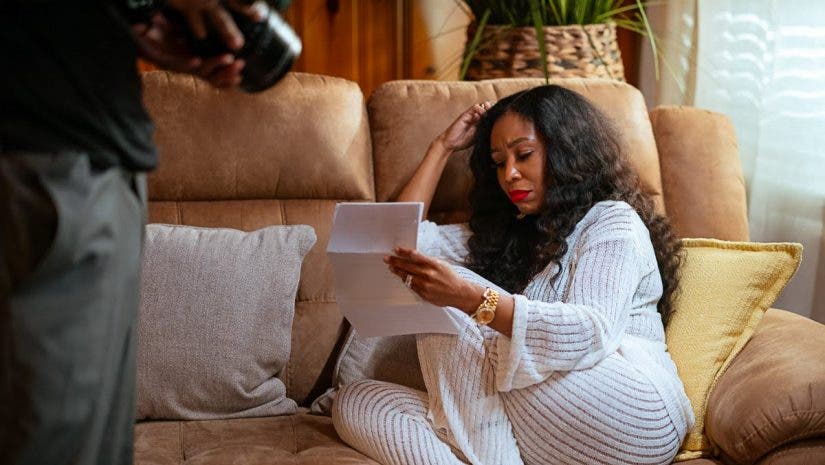
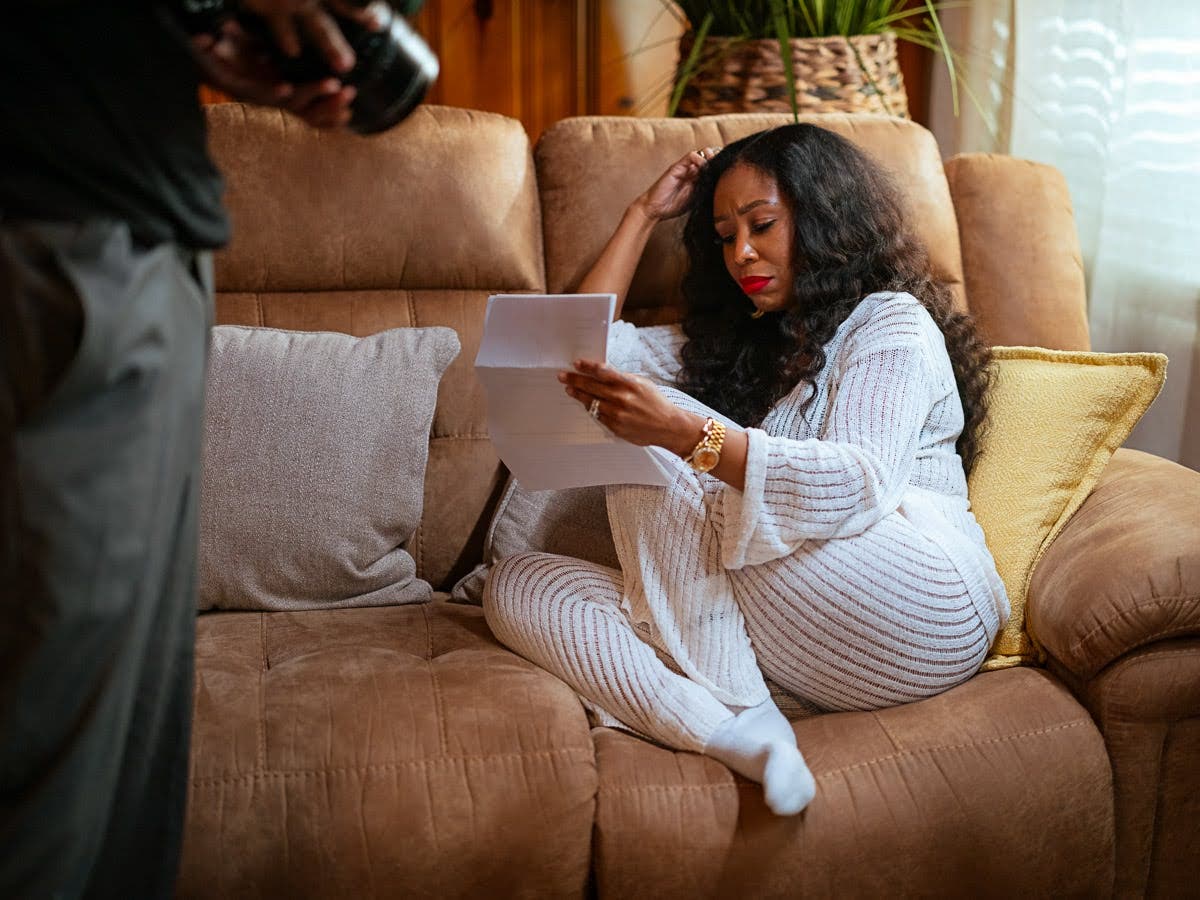
The first thing I asked The Cork Bros during a recent interview was, “When is the next episode coming out? I need to watch it now!” I was referring, of course, to Mama’s House, the creative duo’s 72-episode vertical micro-drama — a masterclass in short-form storytelling about three estranged sisters brought together by their mother’s death. The promise of secrets being revealed had me instantly hooked.
UPDATE: On September 8, 2026, the Cork Bros announced that Mama’s House has secured distribution with micro drama app, Shortee. “Moses Lassite and his team at Shortee are building something spectacular with their app that not only houses quality micro dramas, but also games to keep users on the app,” said Andres and Michelangelo in a shared statement. Mama’s House season one launches on Shortee app at the end of September.
What makes this story compelling, beyond the fact that the show was shot in just four days on a Fujifilm GFX Eterna 55? For me, it’s the compressed timeline and in-house writing, directing, producing, shooting, and editing. Those choices make Mama’s House a benchmark for any vertical that comes after it. Here are the highlights from my conversation with the creators, Michelangelo Corkrum and Andres McCorkle, aka The Cork Bros.
From Commercial Creators to Short-Form Storytellers
The second thing I asked the pair was whether they are real brothers. The answer was no, but they’ve known each other so long and are so close that they might as well be. Their story is an interesting one: two commercial photographers and videographers who deliberately walked away from safe client work to bet on a storytelling format most people were dismissing.
Their debut vertical micro drama isn’t just another mobile-first series. It’s an emotionally layered family drama about identity, caregiving, sisterhood, and the complicated ways we define ourselves, told in episodes often shorter than three minutes.
It’s also the culmination of years spent asking a simple question:
How do you tell stories that people connect with?
For Andres and Michelangelo, the transition wasn’t sudden. Instead, it started with a shift in focus that gradually led them away from documentation and toward storytelling.
“As we worked with more commercial clients,” they explain, “we kept coming back to storytelling. The projects that resonated most were always the ones where people connected emotionally.”
Photography and filmmaking stopped being the destination. They became the tools.
Eventually, the pair realized many of the stories they wanted to tell were not the ones clients wanted to commission. From there, they decided not to wait for permission and create those stories themselves.
Betting on the Vertical Format Before Its Popularity
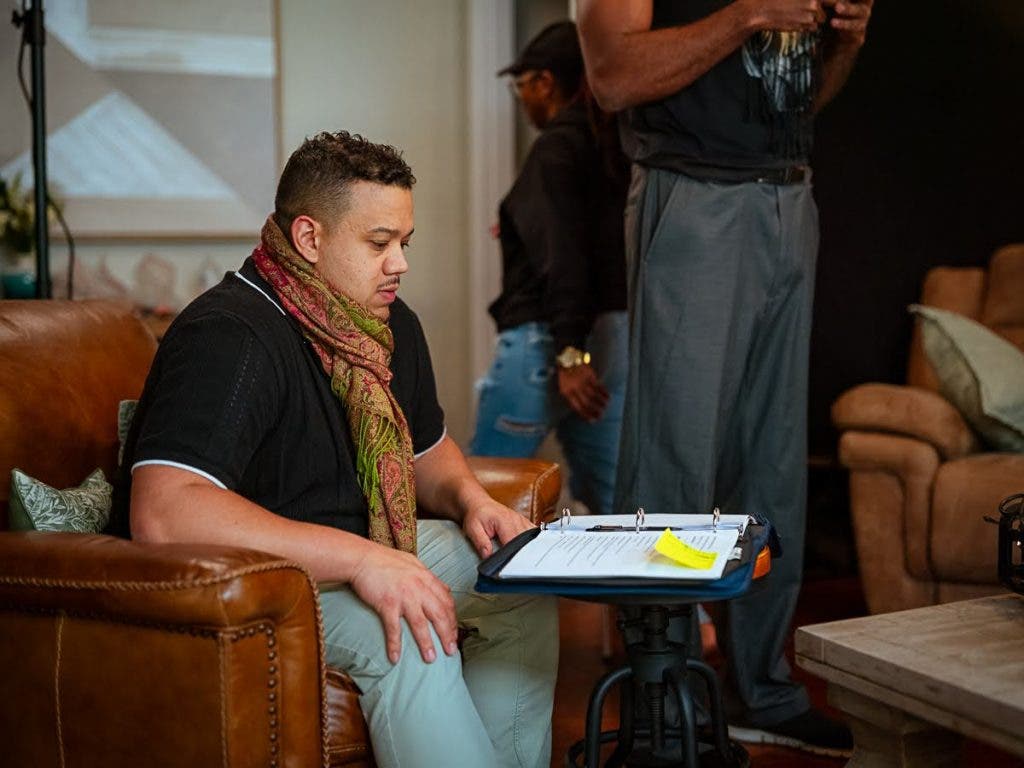
If you’re not familiar, vertical-format storytelling is in a 9:16 aspect ratio and lasts between 90 seconds and a couple of minutes. Long before this type of media exploded in the U.S. around 2022/2023, the Cork Bros believed storytelling was already moving toward the phone.
“To give context to the format,” says Andres, “they’re really for those moments when you are on the subway, you have three stops to go, and you just want to consume something quickly.”
Back in 2021, they entered a vertical documentary into a filmmaking competition, despite the competition explicitly requiring a horizontal format.
“It completely broke the rules,” they both laugh.
It also reinforced something they already believed: vertical storytelling wasn’t simply a social media trend. And it was becoming its own language.
By late 2025, as vertical dramas were taking off internationally, especially after massive success in China in the three years prior, the opportunity finally aligned with the creative direction they’d been moving toward for years. Rather than seeing the format as limiting, they saw new creative possibilities.
“The human figure is vertical,” says Michelangelo. “There are stories that actually become more intimate because you’re closer to the person.”
A Family Story with Universal Themes
While Mama’s House centers on a Black family, the Cork Bros intentionally resisted making race the central conflict. Instead, they framed the story around something almost anyone could recognize.
“We wanted to tell a universal story but done with a Black cast,” they say. “The representation happens naturally.”
Michelangelo wrote the script during a three-week trip to New York, pulling inspiration from conversations he’d had for years with Andres about the invisible labels people place on themselves and the courage it takes to break free from them.
Originally, the story focused primarily on the eldest daughter, Denise, and her dying mother. But during the writing process, something changed. “I didn’t want the sisters to simply be fighting each other,” says Michelangelo. “I wanted it to become a story about sisterhood.”
Each daughter ultimately became an expression of a different struggle with identity:
Denise, the caretaker whose life has mostly been consumed by caring for her mother.
Patty, whose need for perfection keeps her trapped in a job that never stops taking from her.
Carmen, who walks away when life becomes too difficult.
Those archetypes weren’t invented. They were drawn from Andres and Michelangelo’s own experiences, their family dynamics, and the people around them. That connection helped ground the characters in lived experience.
Even the mother’s emotional letters, at the core of the drama, were inspired by conversations Michelangelo had with his own mom about why she loved his sister unconditionally.
Belief First, Funding and Tech Support Second
Like any worthwhile creative project, Mama’s House began before the Cork Bros had all the answers. They didn’t have financing or even a clear roadmap for getting the production off the ground. Still, they had momentum, and they refused to wait for perfect circumstances before moving forward.
Rather than waiting until they had every piece in place, the brothers announced an open casting call before securing project funding and began talking about Mama’s House with friends, collaborators, and even members of their Bible study. That confidence proved contagious.
“Investors saw that we were moving forward whether the money showed up or not,” Andres says.
Within 10 days, the Cork Bros had raised $45,000 from friends, family, and supporters who believed in both the project and its filmmakers.
Then, one afternoon as Michelangelo was driving home from the gym, he had the creative breakthrough that helped shape the project’s visual identity. After watching YouTube videos about the FUJIFILM GFX ETERNA 55, he realized the camera could solve one of the biggest challenges of shooting a vertical micro drama.
“Everything I was reading about vertical filmmaking said you could only fit one or two characters in a shot because you just don’t have the horizontal space,” he says. “I kept thinking about all the limitations of the format.”
Unlike traditional full-frame cameras, the ETERNA’s unique 4:3 medium-format sensor, says the Cork Bros, offered just a little more horizontal real estate while remaining perfectly suited for vertical storytelling. That extra width would allow conversations to breathe naturally without sacrificing the intimacy that makes the format so compelling.
“We thought, ‘Wait, this could be perfect for a micro drama. The next question became, ‘How do we get the camera?'”
Fujifilm GFX ETERNA 55: The Right Camera for the Job
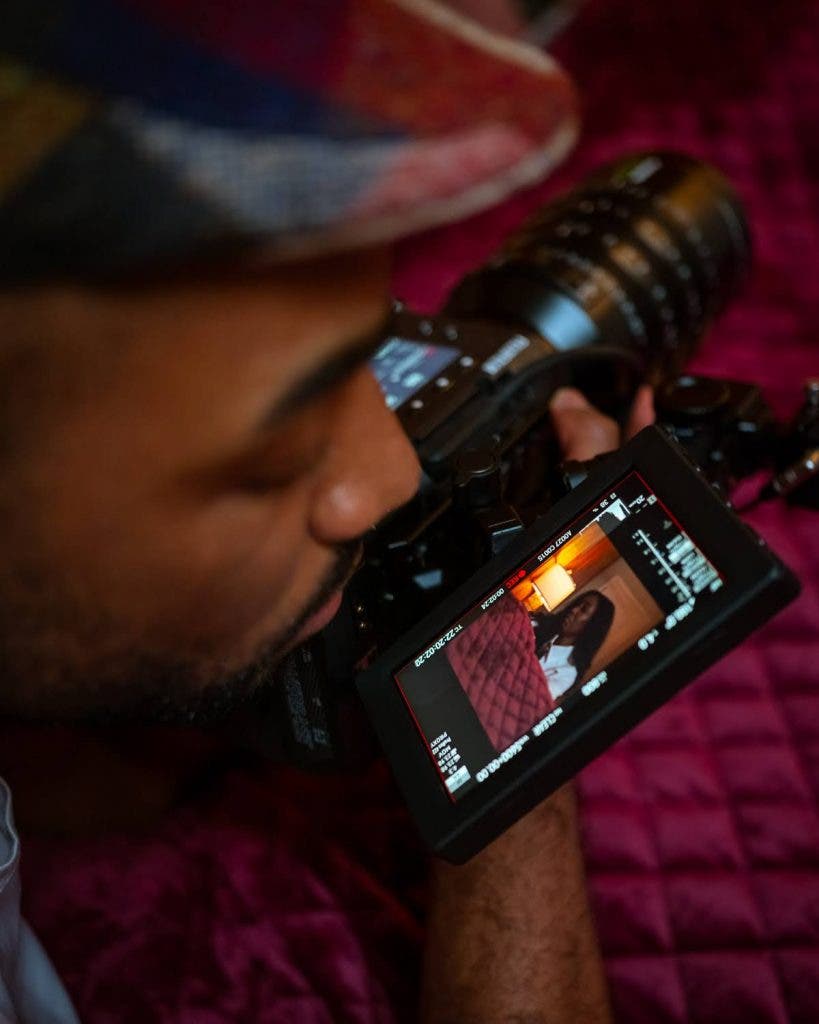
Because vertical framing offers less horizontal space, the Cork Bros began searching for a camera that could better support the visual language they imagined. That search led them to the Fujifilm GFX ETERNA 55.
With its unique 4:3 medium-format sensor, the GFX ETERNA 55 offered slightly more horizontal information while still embracing vertical composition, allowing scenes with multiple characters to breathe without sacrificing intimacy.
The brothers reached out to Adorama, a company they’d previously collaborated with on Picture America, a docuseries capturing the heart and soul of Atlanta, GA.
For Mama’s House, their pitch wasn’t about gear. It was about the story they wanted to tell, which helped guide what came next.
Four days and 72 Episodes
The production itself was remarkably lean, an approach that shaped every aspect of the shoot.
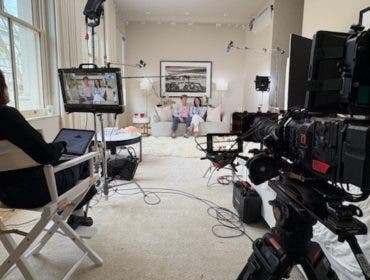
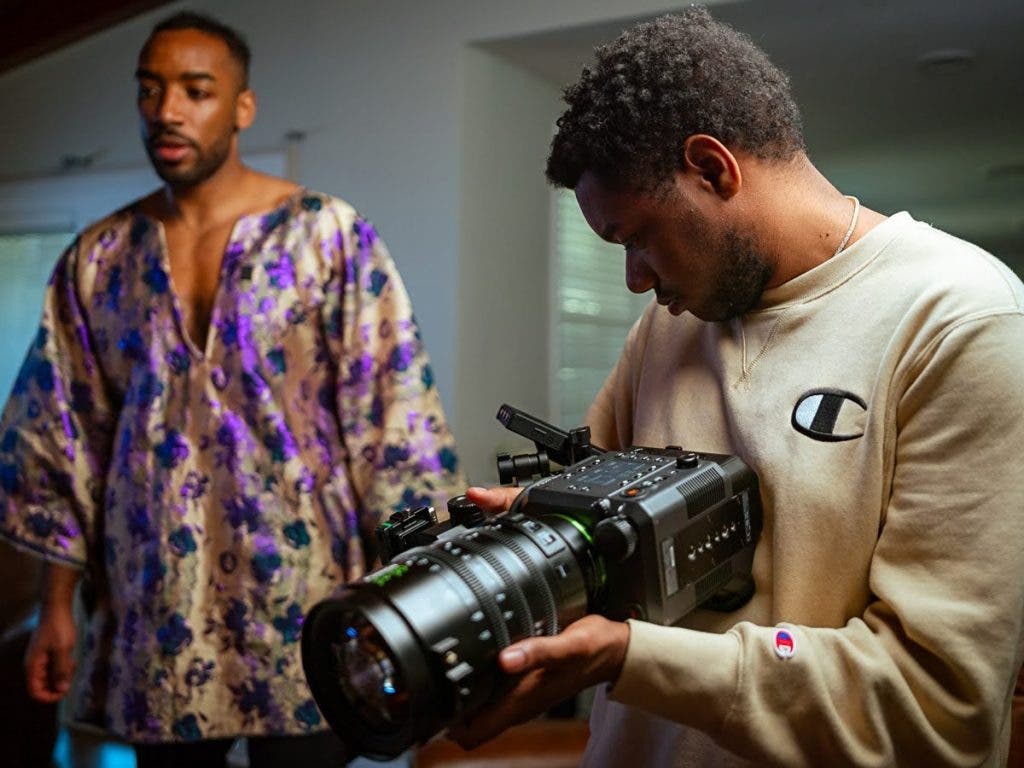
Executed over just four days in a three-room Airbnb with a five-person crew and a relatively unknown cast, the project demanded that everyone wear multiple hats.
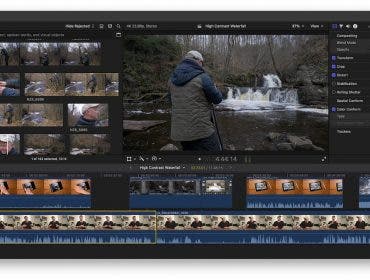
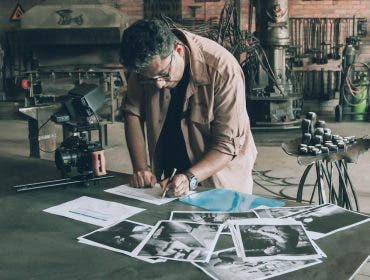
Michelangelo wrote, directed, operated the camera, handled lighting, recorded audio, edited, color graded, and completed the sound design.
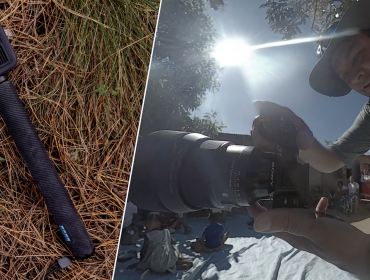
Andres produced the project, managed logistics, organized casting, documented more than 26 hours of behind-the-scenes footage, and captured over 1,500 production photographs. HD, the third member of their team, did editing and BTS shooting.
The result is roughly 93 minutes of finished storytelling, released as 72 bite-sized episodes designed for mobile viewing. And despite the unconventional format, every creative decision was made with cinematic intention.
Short-Form Content That Leaves You Wanting More
Ask the Cork Bros, and they will tell you they aren’t interested in simply following popular formulas. Instead, they want to create emotionally mature stories that leave audiences wanting more. That’s why they’ve been vocal about one of their biggest creative influences, actor, writer, and producer Issa Rae, and her vertical drama, Screen Time, which came out this past April.
“It’s massive for the micro-drama space,” they point out while citing Rae as one of their biggest creative influences, not just because of the stories she tells, but because of the path she took to tell them. They admire how Rae built an audience from the ground up with Awkward Black Girl, creating authentic, character-driven stories that resonated long before she landed at HBO with Insecure. “That creator-first approach is one we’re intentionally trying to emulate: tell honest, relatable stories with Black casts, build a loyal audience, and let the work open the next door.”
Filmmaker Ryan Coogler (Fruitvale Station, Creed, Black Panther, Black Panther: Wakanda Forever, and Sinners) also heavily influences them through his blend of storytelling with themes of Black identity, culture, and community. “We admire Ryan Coogler and are inspired by his telling of bold stories with bold artistic decisions. One of our biggest ethos is that we are going to create the stories we want to tell, and we are going to be bold and creative the way we know how to be, and watching his work has validated that approach for us,” says Michelangelo.
Testing Ideas and Expanding Production
They’re already casting their second vertical drama while also launching “Cork Bros Minis,” shorter experimental series that allow them to test ideas before expanding them into larger productions. Director Michelangelo also provides breakdowns of some episodes.
It’s a strategy that blends creativity with entrepreneurship in a well-formulated mantra: Create. Learn. Measure. Repeat.
Advice for Other Vertical Filmmakers
When asked what advice they would offer aspiring vertical filmmakers, the Cork Bros don’t start with cameras or editing software. Instead, they talk about momentum.
“Momentum creates movement with the project you’re embarking on,” Andres explains. For example, after Michelangelo finished the script for Mama’s House, Andres was convinced they had found the story they were meant to tell. He gave them 10 days to raise the money. Nine days later, they still hadn’t secured funding.
Then they realized they were waiting for someone else to validate the project rather than acting as if it were already underway. “We changed our mindset. We started moving with momentum.”
They launched a casting call, shared the project with friends, collaborators, and community members, and treated Mama’s House as a production already in motion. Within 10 days, they had raised the money they needed from supporters who believed in both the story and the storytellers.
For the Cork Bros, that’s the lesson they hope other filmmakers take away: “Don’t wait until everything is perfectly lined up before you begin. Start moving. Momentum has a way of creating opportunities that careful planning alone never could.”
Catch the first 10 episodes of Mama’s House on YouTube every Monday, Wednesday, and Thursday at 7 p.m. EDT here; on TikTok here; and on Facebook here.