There’s something really special about point-and-shoot cameras. They’re small, they’re light, they fit in your pocket, and they have this ability to make photography feel effortless and fun again. Whether you’re shooting on a disposable, a 35mm camera, or a modern point-and-shoot, there’s a certain magic to them that’s hard to replicate with a bigger camera.
But here’s the thing: just because they’re simple to use doesn’t mean getting great results is automatic. A lot of people pick up a point-and-shoot expecting to nail every shot straight away, and then feel a little disappointed when the results don’t quite match up to what they had in their head.
The good news is that with a few small adjustments to the way you shoot, you can dramatically improve your results without overcomplicating things or losing that effortless feeling that makes point-and-shoots so enjoyable in the first place.
So here are five tips that’ll genuinely make a difference to your point-and-shoot photography.
1. Keep Your Distance
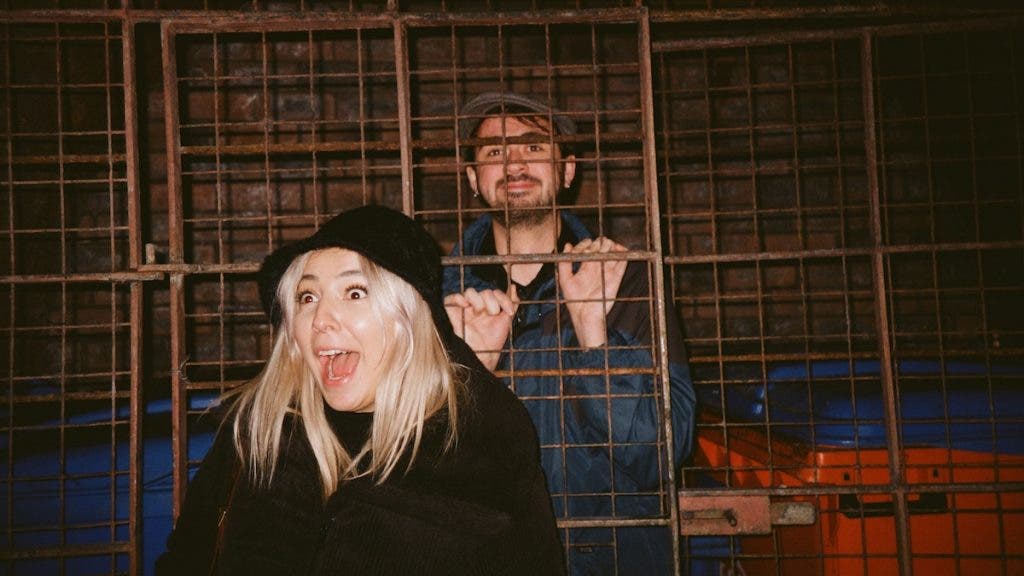
This is probably the most overlooked thing when it comes to point-and-shoot photography, and it catches a lot of people out.
Most point-and-shoot cameras have a minimum focus distance of around one meter. What that means in practice is that if you get closer than that to your subject, your camera simply cannot focus on it properly. The result is a soft, blurry image that no amount of editing is going to rescue.
It sounds obvious when you think about it, but in the moment, it’s really easy to instinctively move closer to whatever you’re photographing, especially if you’re shooting people or details. The camera feels so small and casual that it doesn’t always trigger that mental reminder to think about distance the way a bigger camera might.
A good rule of thumb is to stay at least an arm’s length and a bit away from your subject at all times. If you want to fill the frame more, resist the urge to move your feet and let the camera do the work, or better yet, embrace a slightly wider composition and use the full scene around your subject to tell a more interesting story.
Getting into the habit of thinking about your distance before you shoot will immediately cut down on the number of soft, out-of-focus shots you come home with.
2. Take a Second to Get Your Focus Right
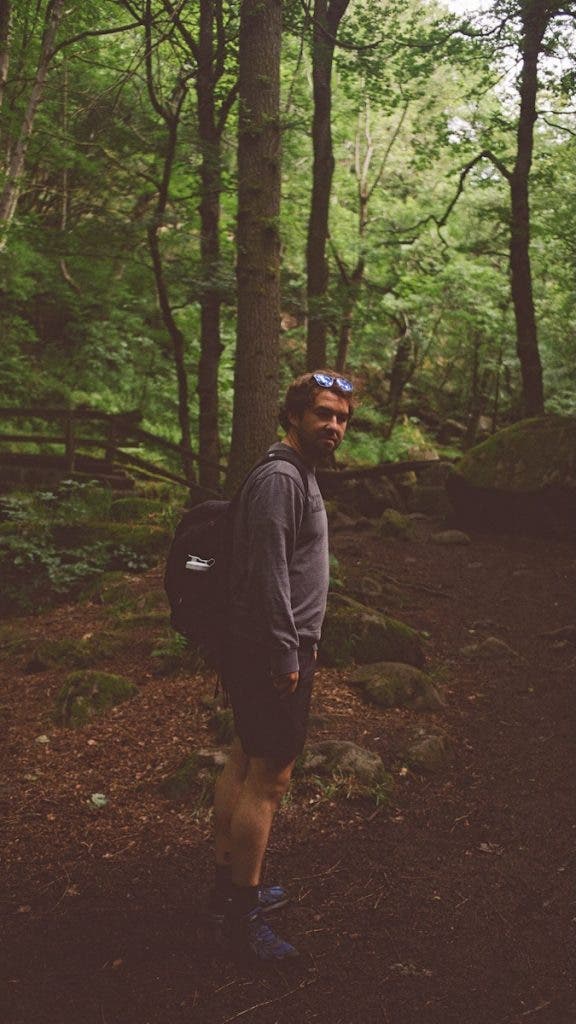
Following on from the last point, focus is something that catches a lot of point-and-shoot photographers off guard, and it’s worth slowing down for just a moment to get it right.
A lot of people pick up a point-and-shoot, see something they want to photograph, and just fire away, assuming the camera will handle everything. And to be fair, modern point-and-shoots are pretty good at figuring things out on their own. But they’re not perfect, and if you’re not paying attention, it’s really easy to end up with a whole roll or memory card full of shots where the focus has landed on the background instead of your subject.
Most point-and-shoot cameras focus on whatever is in the center of the frame by default. So if your subject isn’t dead center, you need to use the focus lock function, usually done by half-pressing the shutter button while your subject is in the center, then recomposing your shot before pressing all the way down to take the photo.
It takes a tiny bit of extra time, but the difference it makes is significant. Taking just a second to think about where your focus is landing before you commit to the shot means you’ll come home with far more keepers and far fewer frustrating near misses.
Point-and-shoots are designed to be quick and easy, but quick and easy doesn’t have to mean careless. A moment of intention goes a long way.
3. Use Flash in Daylight
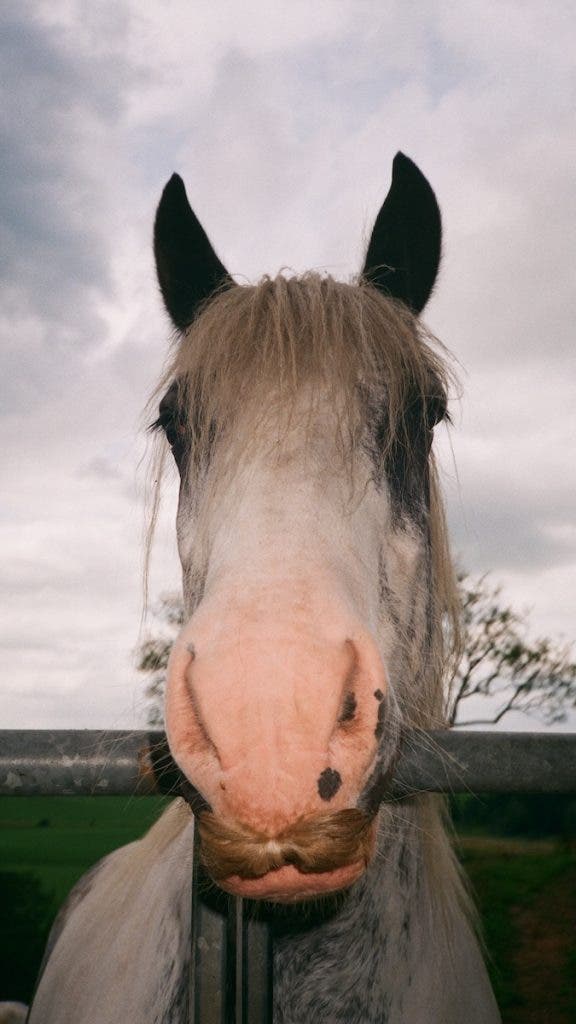
This one surprises a lot of people, but bear with me on it.
Most point-and-shoot cameras don’t have the most impressive lenses in the world. That’s not a criticism; it’s just the nature of a small, compact camera. And one of the consequences of that is that they can really struggle in lower light situations, even when it doesn’t feel particularly dark to your eyes.
The natural instinct is to only use flash when it’s genuinely dark. But actually, one of the best things you can do with a point and shoot is to use flash in decent light as well.
Using flash in daylight, or in reasonably well lit situations, does something really interesting to your images. It fills in shadows, evens out the exposure, and gives your shots a really clean, punchy look that works brilliantly for street photography, portraits, and candid moments. A lot of the most iconic point-and-shoot photography you’ll have seen has that flash-in-daylight quality to it, it’s a big part of what gives compact camera photos their distinctive character.
So don’t save your flash just for dark rooms and nighttime. Try switching it on during the day and see what it does to your images. You might be surprised by how much you like the results.
4. Think About Your Composition
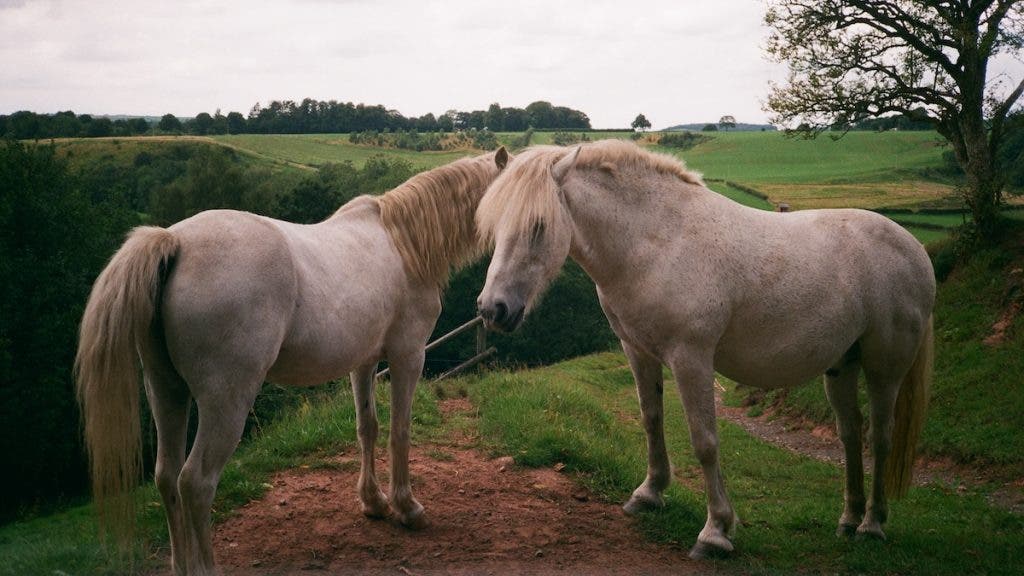
One of the great joys of shooting with a point-and-shoot is how relaxed and casual the whole experience feels. But that casualness can sometimes work against you if you let it tip over into not really thinking about what you’re doing.
Composition is just as important with a point-and-shoot as it is with any other camera. The fact that the camera is small and unobtrusive doesn’t mean you should stop thinking about what’s in your frame, what’s at the edges, where your subject sits within the image, and what the light is doing.
Before you press the shutter, take just a moment to look at the whole frame rather than just your subject. Is there something distracting in the background? Is the horizon straight? Or is there a more interesting angle you could try? Could you move slightly to put your subject against a cleaner background?
None of this needs to take long. We’re talking about a second or two of consideration rather than anything labored or overthought. The whole point of a point-and-shoot is that it’s quick and responsive, and you can absolutely maintain that energy while still being intentional about what you’re capturing.
The best point-and-shoot photographers aren’t just firing away and hoping for the best. They’re making quick, instinctive compositional decisions that come from practice and from training themselves to see a good frame fast.
5. Always Be Ready
This is perhaps the biggest advantage of shooting with a point-and-shoot, and it’s one that’s worth leaning into as much as possible.
The best moments in life don’t announce themselves in advance. They just happen, often when you least expect them, and they’re gone almost as quickly as they appeared. A decisive moment on the street, a spontaneous burst of laughter between friends, a fleeting piece of light that only lasts for thirty seconds, these are the kinds of things that make for genuinely memorable photographs, and they’re almost impossible to recreate once they’ve passed.
The beauty of a point-and-shoot is that it’s always with you. It fits in your pocket, it starts up quickly, and it doesn’t require you to fiddle with settings before you can take a shot. But none of that matters if the camera is buried at the bottom of your bag when the moment happens.
Get into the habit of keeping your point-and-shoot somewhere genuinely accessible at all times. In your jacket pocket, in your hand, around your neck. Somewhere you can get to it in seconds without thinking about it.
The photographers who consistently capture those one-off, unrepeatable moments aren’t lucky; they’re ready. And with a point-and-shoot, being ready is easier than with almost any other camera out there. Take full advantage of that.
Point-and-shoot cameras are wonderful things, and they’re capable of genuinely stunning results in the right hands. Keep your distance, nail your focus, embrace the flash, slow down for composition, and stay ready for whatever comes your way. Do those five things consistently, and you’ll be amazed at the difference it makes to your photography.