In 2018, I was filming a fitness video at Cape Town’s Rhodes Memorial. I was so focused on framing my gimbal shot that I backed right off a 5-meter drop. I learned the hard way how vital fundamental creator safety tips are (like having a spotter when walking backward) after my model’s desperate warning came a second too late.
The fall shattered my heel and fractured my leg, ribs, pelvis, and spine. It left me screaming in agony until a passing doctor intervened. It took two major surgeries and six months to learn to walk again. Before we dive deeper into content creation security, here are some clips from my near-death experience. Don’t worry, no blood or broken bones shown.

The day I almost died while shooting a film on a gimbal
A Camera Splash, or Was It a Slap?
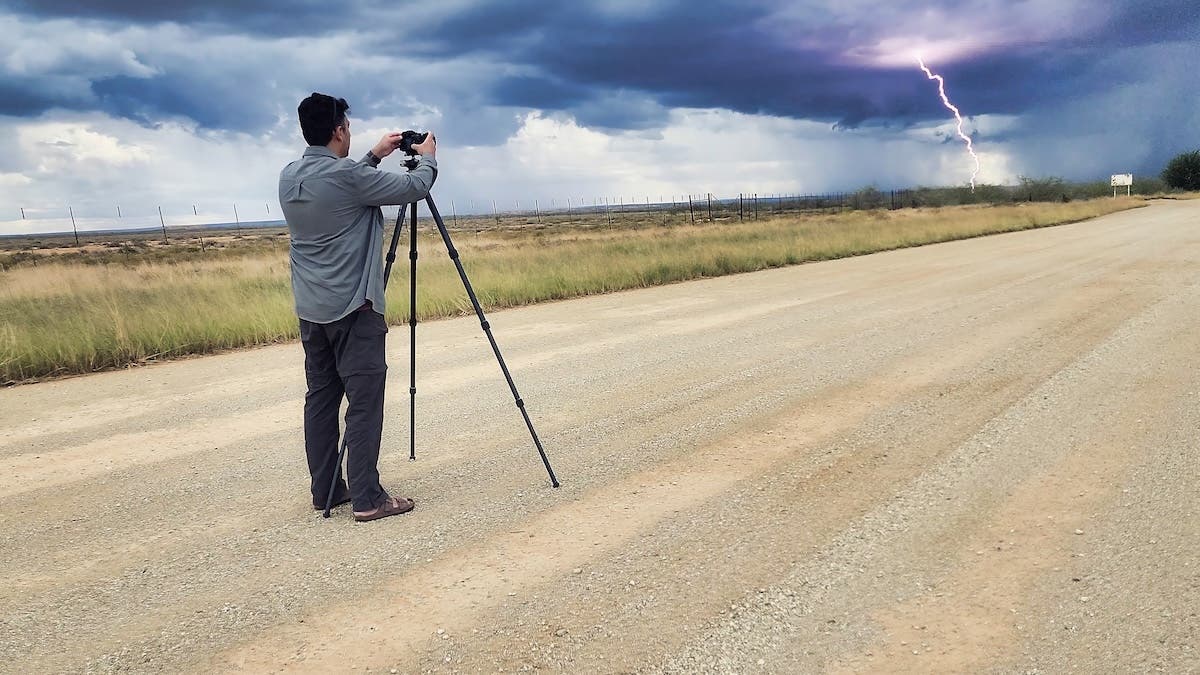
Landscape photographers shoot long exposures that last for minutes. Therefore, the boredom usually lets us wander a few feet away from the camera.
I set up my camera on a tripod for a long exposure by the beach. I moved a few feet away. However, I glanced at the equipment after every few seconds to make sure everything was fine. Just as the long shutter speed was coming to an end, I saw a runner heading in my direction. So, I turned towards him to say hello. Just then, I heard the DSLR mirror and shutter close as the shot ended. Then suddenly, a slapping sound as a freak wave hit the tripod. It was not actually a slap, but a splash of my beloved camera crashing into the ocean. I rushed to remove the battery and the SD card, which were fortunately still dry. Unfortunately, the camera had water running right through it.
The sand sinks, water comes with force. And even the heaviest, steadiest tripod legs move because of that. I knew all of that, but it was a few seconds of a careless gaze away from my equipment that cost me an expensive camera and a Nikon 16-35mm lens. They are still stuck to each other 10 years later on my display shelf, a memento from the curio shop of photography bloopers!
Lesson: Keep an eye on your equipment, especially on the beach. Also, have your equipment insured; no matter how experienced you are, accidents happen. Insurance paid me for a new Nikon D810 and a 16-35 mm lens.

Always keep an eye on your equipment, especially on the beach
The Swinging C-Stand
To record a scene for a short film, I set up an LCD light panel on a C-stand in my studio. The stand’s arm on which the panel was mounted was fully extended horizontally, causing the C-stand to fall forward. To counter that, I had put a sandbag on one of the legs of the stand.
I have shelves in my studio on which I keep my lenses for display. While shooting, I realized I needed to adjust the stand’s position, so I moved it. What happened next could be a chapter in “How to Secure a C-stand for Dummies”. The arm on which the light panel was mounted spun simply because I did not tighten one of the knobs of the arm. The spinning arm and the LCD panel knocked my Sony 70-200mm f/2.8 OSS from the shelf onto the floor.
Lesson: Always double-check the tightness of all knobs and joints on your equipment before adjusting its position. This ensures stability and prevents accidents that could damage your gear.

If you are tired, take a break. Don’t compromise your shoot.
Cliffside Comedy: The Great Tripod Heist
The following video clip is from Indonesia, where I stand on a cliff, looking down at the famous Shark Teeth rock formations, preparing to take a long-exposure photo. I asked my guide to record me so that I could explain my camera settings. I am not sure if it was the wind or my feet that caused my extremely lightweight travel tripod to flip over. Thankfully, my guide’s caution saved the day; I consider it pure dumb luck that I managed to grab the falling tripod just in time.
Lesson: Prioritize safety and stability when using equipment in challenging environments. Use sturdy gear, stay aware of your surroundings, and rely on trustworthy companions for support.

My tripod planned an escape, but it was my lucky day!
From Sand to Spit: Protecting Your Equipment
Here are a few more incidents
Sandy Filter Fiasco
During a landscape photography expedition in the Namibian desert, I frequently used a polarizer filter on my wide-angle lens over several days. Depending on the conditions, I would attach and remove the filter as needed, often just stashing it in the nearest pocket. With sand and storms present, my fingers would sometimes smudge the screen, prompting me to clean it. The microfiber cloth also went in and out of my pockets, gathering some grit along the way. So every time I unwittingly cleaned the filter, the fine sand on the cloths created micro-scratches that only became noticeable after multiple cleanings. My filter ended up needing replacement.

Sand and rain can fall into your sensor, and also scratch your lenses.
Snaps and Sneaks
Curious kids and strangers gather around when they spot a photographer, whether the photographer is piloting a drone, snapping photos, or sharing prints. It’s an exciting scene, but one that demands vigilance and adherence to a few specific creator safety tips to keep your gear secure. Amid the friendly faces, there’s often someone hoping to sneak away with your belongings. If it weren’t for my guide in the busy streets once, my mini travel tripod and the documents in the outer pocket of my camera bag would have vanished unnoticed. He caught the culprit right on time. I was surrounded on all sides, feeling only the gentle nudges and oblivious to what was happening with my backpack.
Saliva Sensation
While teaching my son how to swap a lens on his newly bought mirrorless camera, we saw a small spec of dust on the camera’s sensor. Instinctively, he blew on it immediately, resulting in a tiny droplet of saliva sitting on the lens. Thankfully, the nearby camera store does sensor cleaning for free!
Flame Frame Blunder
When I bought my first camera, a Canon PowerShot S3 IS, I took photos of anything and everything around the house to learn about photography and composition. After my initial shoots, which featured candles and a few ornaments, I noticed that all my subsequent photos had a small spot that was always visible. It turned out that I had brought the lens too close to the flame, which had burned the glass with an indelible spot.
Safety Last: Final Remarks
While writing this, I feel shame at the remembrance of my clumsiness and carelessness. I have written about Photography Bloopers in a previous blog post, and it is useful reading as well. Mistakes are inevitable, though, and you should not castigate yourself overly about these. Not to mention that these stories make for great entertainment, after the problem is solved.
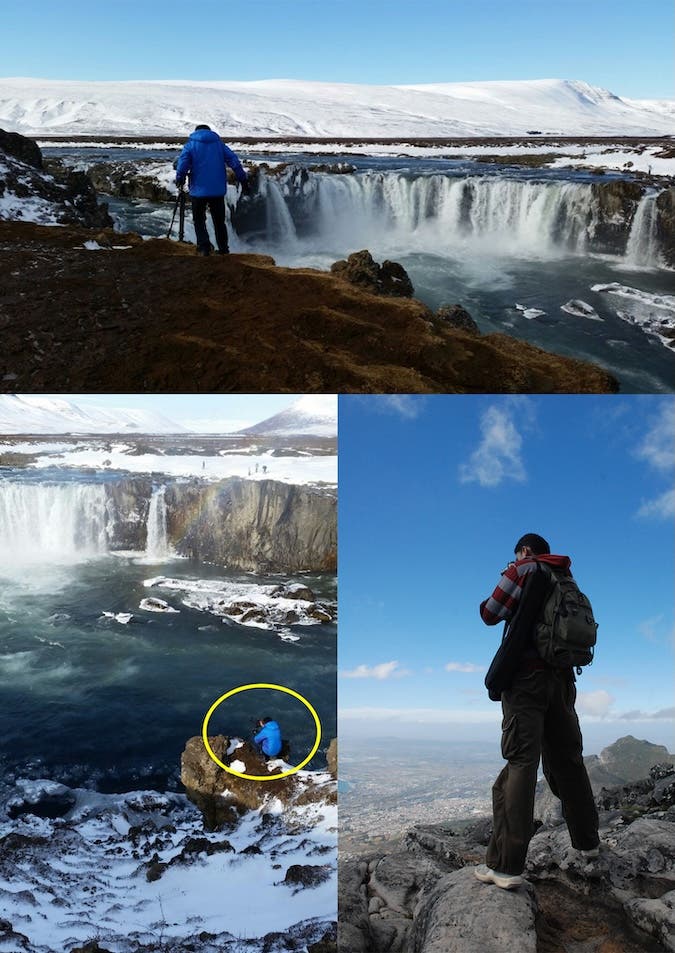
It is my habit to stand near the edge of waterfalls and cliffs, to get that precipitous shot and “be closer” to my subject – to my wife’s repeated and annoying horror. I have always gotten away with it. All it would take is one slip of the foot to change my fate forever, as happened that day in my own hometown. So my admonishment to my fellow photographers and to myself is to remember creator safety tips. Do not take the chance.