Almost 10 years ago, I stood on my front porch and made a video. It was titled “It’s Not the Camera, It’s the Photographer, OR is it.” I was addressing the age-old idea that the camera is just a box and the photographer as artist and technician is what matters. Feel free to watch the video. I’ll embed it at the bottom of this article. The Tldr(w?) is, yeah, the photographer is the most important ingredient. However, there are some cameras that can inspire us to create in new and sometimes better ways. So, here we are eight years later, and new cameras are still coming out, and people are still fighting over them, and here I am writing about the launch of the Leica SL3-P. What does this all have to do with the Lecia launch?
Photography First, That’s the Leica Way
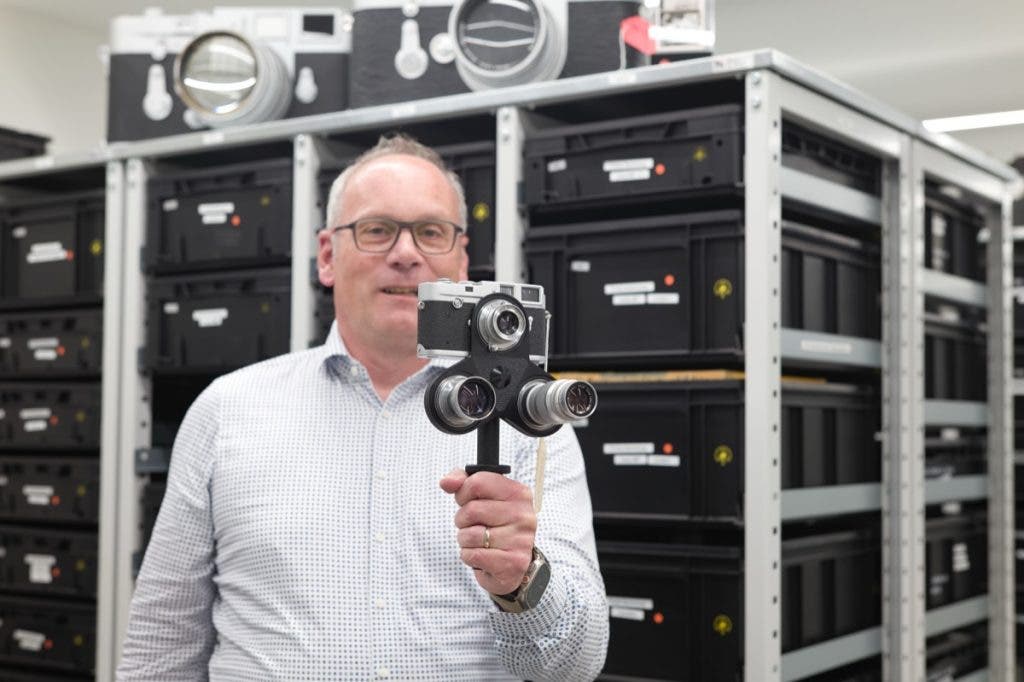
Ok, that’s not their official tag line, at least I don’t think it is. I was never good at tag lines. However, when Lecia flew me and Fernando (Head of Adorama YouTube) to Germany for this launch, that was the vibe I got. Leica treated us to tours of the Leica factory to see the craftsmanship that goes into their cameras (Like the SL3-P). We had tours of their camera and photo archive as well. There, we saw their love of photographic history. We spoke to the Leica team on every level, and 90% of the discussions were about capturing beautiful photos.
They didn’t hard-press the specification of the SL3-P on us constantly, and I won’t either. I’ll touch on some of the tech below, but you can see a full breakdown here.
Hands-on Experience Beats PowerPoint Every Time
Leica gave us about four days with the cameras. We were free to wander and shoot around the complex the first afternoon to get a feel for the Leica SL3-P. Essentially, they gave us a run-down of the functions and made their team available to answer any questions that came up naturally during our shooting.
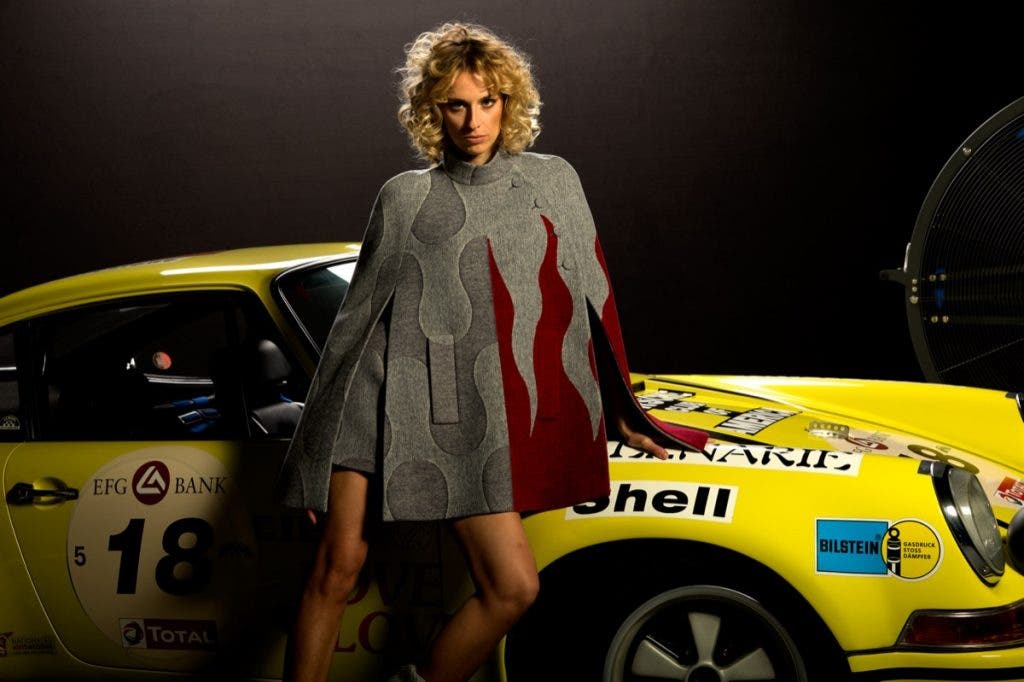
Day Two, we not only got a chance to work on a fashion set to see how the SL3-P performs in a studio environment, but we also had the chance to visit their darkroom and see prints being made. As a film/analog lover myself, I was thrilled to see a master darkroom technician at work. In Studio, with relatively low light, the Hybrid Autofocus System with 819 points worked well, keeping the subject’s eyes sharp in every frame.
Two New Leica SL Lenses with the Leica SL3-P
For most of my time in Germany, I chose to work with the new Summilux-SL 50 f/1.4 ASPH. Leica calls this “the world’s most compact autofocus lens with this focal length and a lens speed of f/1.4.” That seems right in my estimation, and in use, even seemed a bit smaller than the Summicron (F2). This lens was fast, compact, and sharp. What else could you want from a 50mm?
I also took some time to make portraits and detail shots with the new APO-Macro-Elmarit-SL 100 f/2.8. There was a lot of excitement in the air for this lens as the APO-Macro-Elmarit-R 100 f/2.8 (released in 1987) is often adapted by SL users.

Is the SL3-P Going to be the Workhorse of the SL3 Line?
One thing I appreciated about this trip to Leica was, for lack of a better word, the honesty. I’ve been to many launches, and brands tend to want to position their new releases as amazing innovations while still maintaining that the other cameras in their lineup are absolutely perfect for everyone. In short, this is what Leica has to say about the SL3 line.
- Original SL3, loved for its huge files, but not fast enough for some shooters.
- SL3-S is made to be fast, video forward with smaller file sizes. However, some photographers really need larger files.
- SL3-P was made to be fast and have large files, not as large as the SL3 (60MP), but large enough for many commercial shooters (44MP). SL3-P is fast with a 40fps burst mode and an autofocus system that keeps up with it.
Simple as that, this camera is meant to bridge the gap, to be the go-to for most types of photographers, but those who want the small and fast SL3-S have that option, and those who need that extra bit of file size have the SL3. These are not incrementally “better,” they are a group of cameras that make up a complete and versatile system.
Real Life Testing of the Leica SL3-P
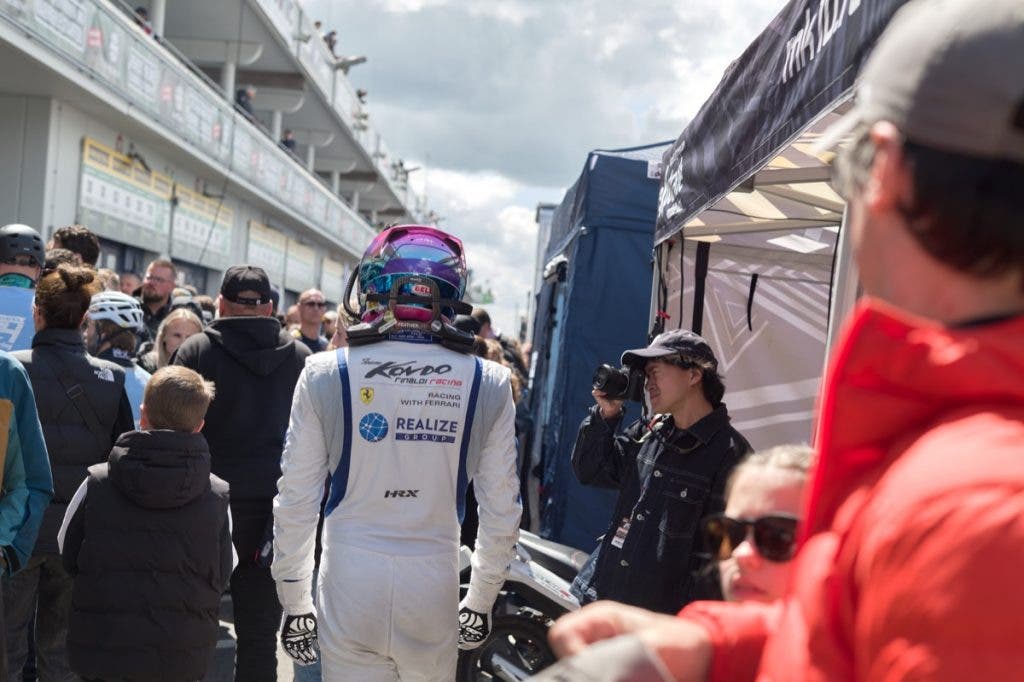
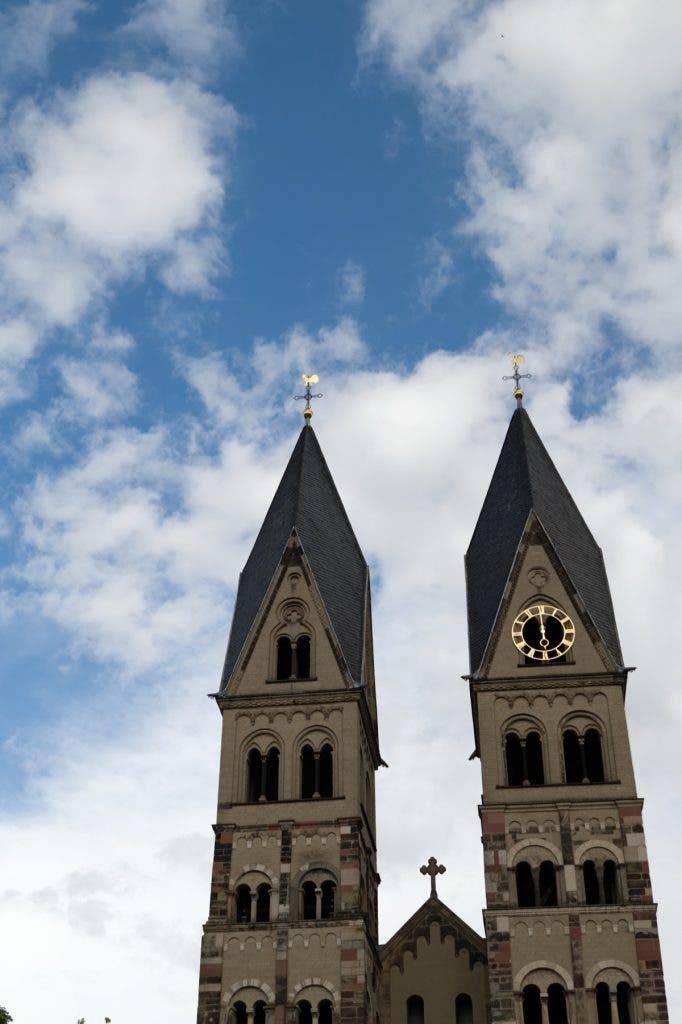
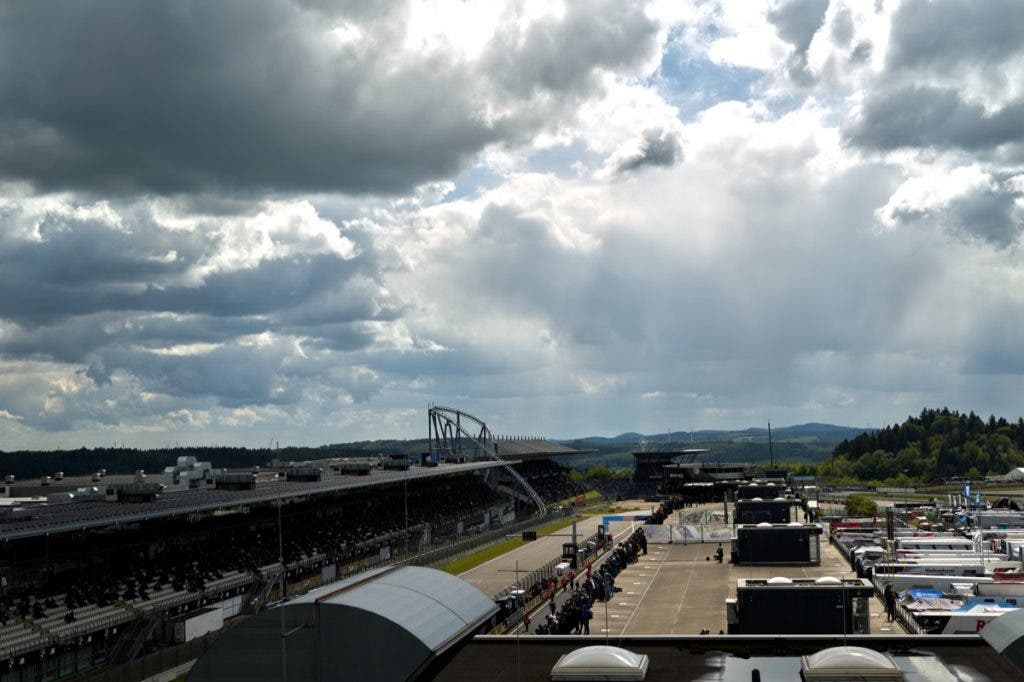
Because the Leica SL3-P is about versatility, Leica gave us a variety of shooting options and locations. I already mentioned the fashion shoot above. We were also given the opportunity to shoot at a medieval festival, in a small town, and finally at the Nürburgring race.
What Does 14 Stops of Dynamic Range Actually Mean?
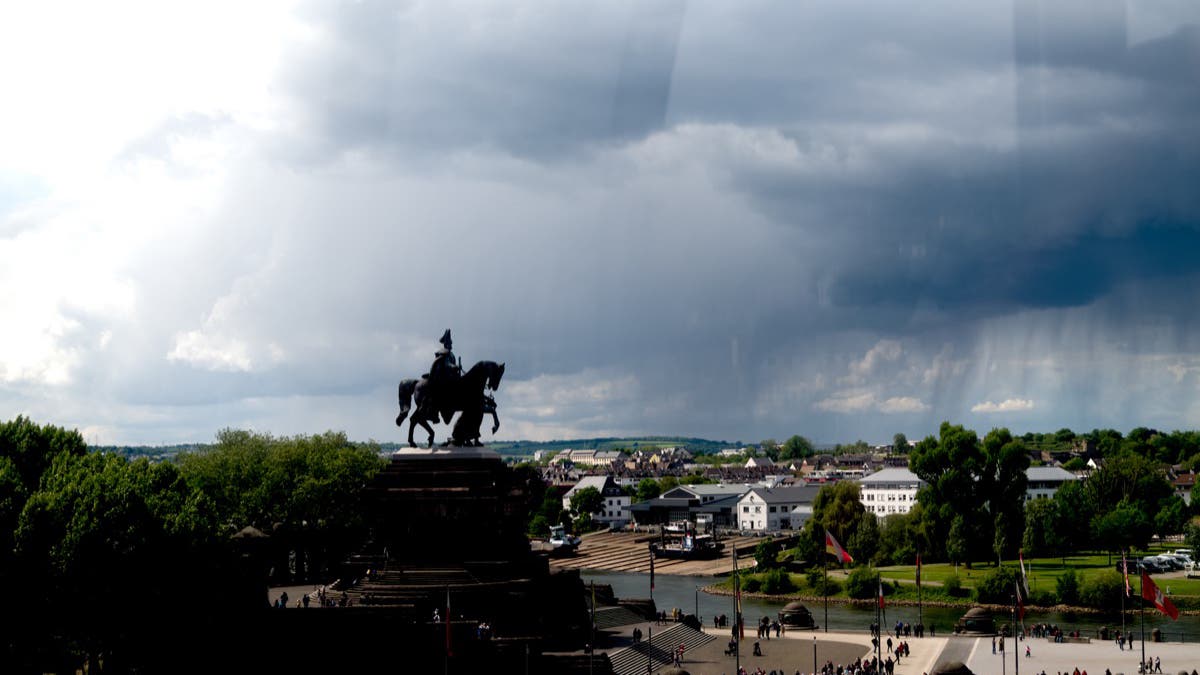
Dynamic Range is one of these things we always mention in the specifications. I want to talk about why this is useful and really helped when we walked around the small town and the medieval festival. Simply put, the wider the Dynamic Range, the less you have to sacrifice when shooting in contrasty light. That is, you don’t have to expose so your highlights don’t blow out at the cost of detail in your shadows ot vice versa. Keep in mind that some tweaking needs to be done during RAW development to put out all the details.
Did I Mention 8K/30p Open Gate Video?
I was so focused on the stills that I almost forgot how capable the Leica SL3-P is in video. Below is the video we made for AdoramaTV. All the video in Germany was shot on the Leica SL3-P. You can read all about how it does 4K/120p, Apple ProRes, and other great video specs here. Also, watch the video!

40fps with the Leica SL3-P
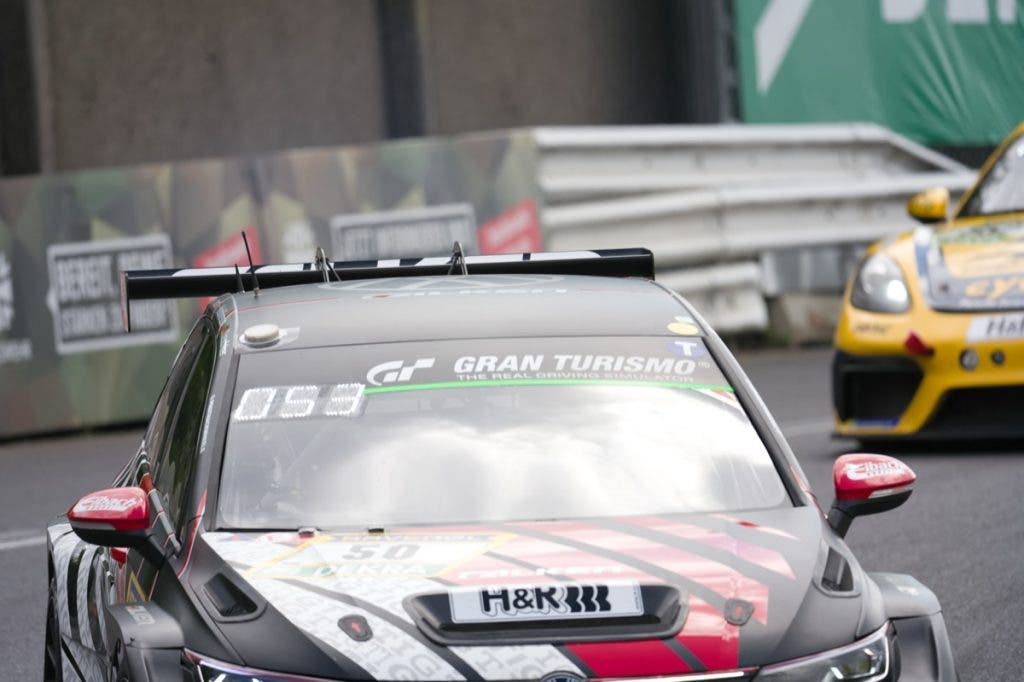
This is one of those features (burst mode) that I tend to breeze over, as I rarely use such things in my portrait and fashion work. However, with Leica getting us access to the Nürburgring, I had my chance to blast away. I attached the Sigma 500mm f/5.6 DG DN OS Sports Lens, of course, you know Sigma is part of the L Mount alliance) and had great fun capturing the cars as they sped past. Any missed shots were definitely on me as the autofocus and burst rate performed perfectly.
Make the Leica SL3-P Your Own
In 2009, Leica handed me the S2. This was their second entry into the medium format digital market, and a beautiful camera. Why I mention this is that it was the first time I saw a feature that would now be the standard on the SL3 line. Blank buttons that are fully and simply customizable. Press the button, and the assigned function is activated. Long-press and a menu comes up that allows you to assign a function to this button. Where the S2 had 4 such buttons, this is applicable to ALL the buttons and dials on the SL3-P.
Of course, many cameras allow you to customize some or all the dials, but the fact that they are blank on the SL3-P and the process to change functions is so simple, programming and finding exactly the right setup is instinctive and fast. I know Fernando was quite happy with the button that switches between photo and video mode, and the fact that the menu, etc., changes color based on which mode you are in.
Is the Leica SL3-P for me (or you)?
I’m a long-time Leica M shooter, and I love the quality, feel, and simplicity of those rangefinders. Not to mention the Leica “look.” For my commercial work and videos, I use mirrorless cameras. Could this camera handle everything I do as well as bring the solid Leica build quality and look into all my work? Yes. Yes, it could. I’ve already requested that Leica loan me a sample for another test in my actual studio, doing the work I do on a day-to-day basis. If it performs half as well as I believe it will, I have found my next pro camera. Only you can decide what is right for you. Check out the video, check out the specifications, and rent or borrow an SL3-P. If you are like me, you’ll know.