Proof of reality is replacing perfect photos. Thanks to AI, hyper-polished photos, super-saturated colors, and improbable situations spark more suspicion than wonder. As AI images flood social media, audiences are searching for authenticity, process, storytelling, and proof over perfection. I never thought I’d say it, but AI is saving humanity in photography.
When “Perfect” Stopped Feeling Real
It started with human behavior, but AI pushed things over the edge. The rush for likes meant no one was allowed to look like an “amateur” online. Polished, sleek production values began to stand in for actual quality.
Wild animals have scars and fly bites cloned out; humans are digitally airbrushed within an inch of reality; lighting edits require 15 layers and 4 tutorials; we pixel-peep every millimeter of an image; and everything is posed with the clutter and humanity of real life pushed aside.

The rise of AI meant the chase for “perfect” led to machine-edited photos and simulated photos of impossible places, people, and situations. Amid the arguably over-edited atmosphere in photography, suddenly, nothing felt real anymore. Content fatigue set in, and doom-scrolling felt like a litany of copycat images.
Real photos were deemed AI slop, while AI output was passed off as real. The social part of social media felt completely erased, and people started missing real over perfect. The emotional connections were erased in favor of plastic dreams.
New Wave of Proving It’s Real Online
Photographers of all levels are posting more than just the final image to prove it is real and not AI. Showing audiences “I saw this,” “this happened,” instead of just presenting a pretty photo for likes. The behind-the-scenes story is becoming more important than any single shot.
Don’t get me wrong, I’m all for editing images to show your vision, working around the technical limits of your cameras, and saving shots where the camera thought it was smarter than you and did something monumentally stupid just as you pressed the shutter release. But people want to know photos are real, not electric sheep. Proof of process is the new credibility.
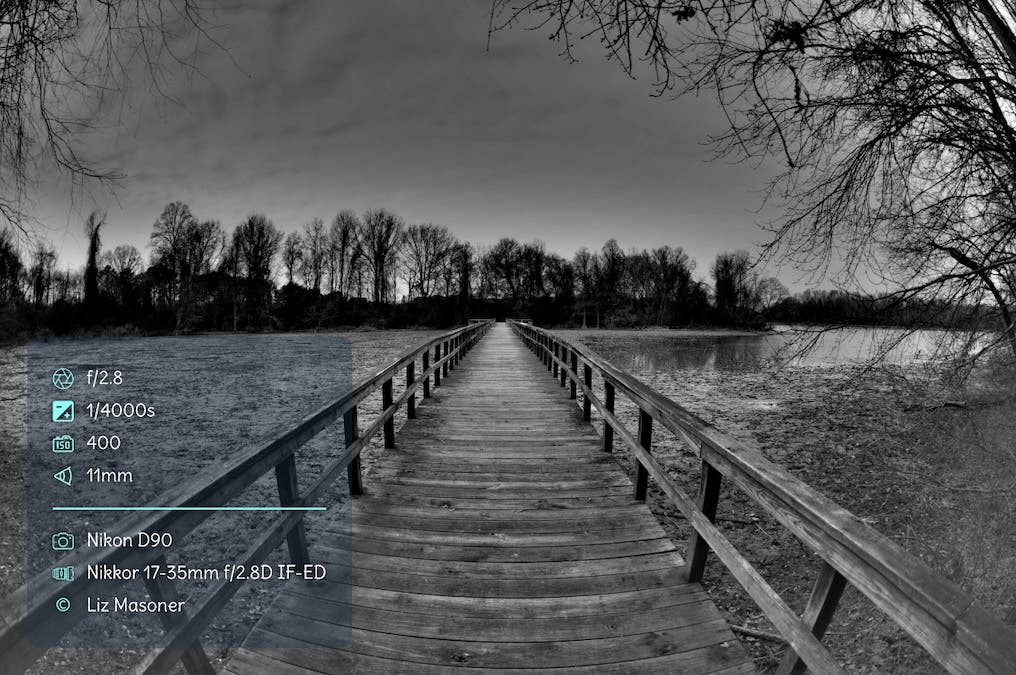
Creators are changing what they share to prove reality. Common tactics to avoid AI accusations include:
- Sharing RAW files with the final edited version
- Including details on how it was edited
- Posting more details on the story behind the photo
- Adding candid frames and behind-the-scenes footage
- Minimizing edits
- Explaining lighting setups
- Adding EXIF data overlays to images
- Posting camera details in captions
- Returning to film
In the push to prove photos aren’t AI, the unintended side effect is that people are seeing the bigger story and sharing their experiences again. A new post-perfect era is dawning.
Embracing Messy Reality Again
We’re rediscovering what makes shots impactful, the moments they capture. Life isn’t scripted, and the most genuine moments rarely arrange themselves for technical perfection. Some of the most striking photos in history aren’t remotely technically perfect. They capture emotional shots and real moments instead of creating a polished movie cut scene.
Nick Ut’s 1972 capture of young Phan Thi Kim Phuc running from napalm in Vietnam is blurry and grainy. Earthrise shot from Apollo 8 in 1968 has plenty of blown-out highlights. Alfred Eisenstaedt’s V-J Day kiss in Times Square photo has motion blur, lighting issues, and a lack of tack-sharp focus.
Now, I’m in no way degrading these shots. They are masterful in other ways, and their impact is that they are all bearing witness to real moments, in all their chaotic energy, as they happen. People want the whole messy moment over a curated reality.
My first paying gig as a photographer was with a local newspaper, and even though my focus shifted to wildlife over the years, I’m still drawn to the little moments within larger events. People want to find the story behind the photos again and how they fit into the world, whether it’s a historic event or a family outing.
Gen Z and the Shift Toward Offline Experiences
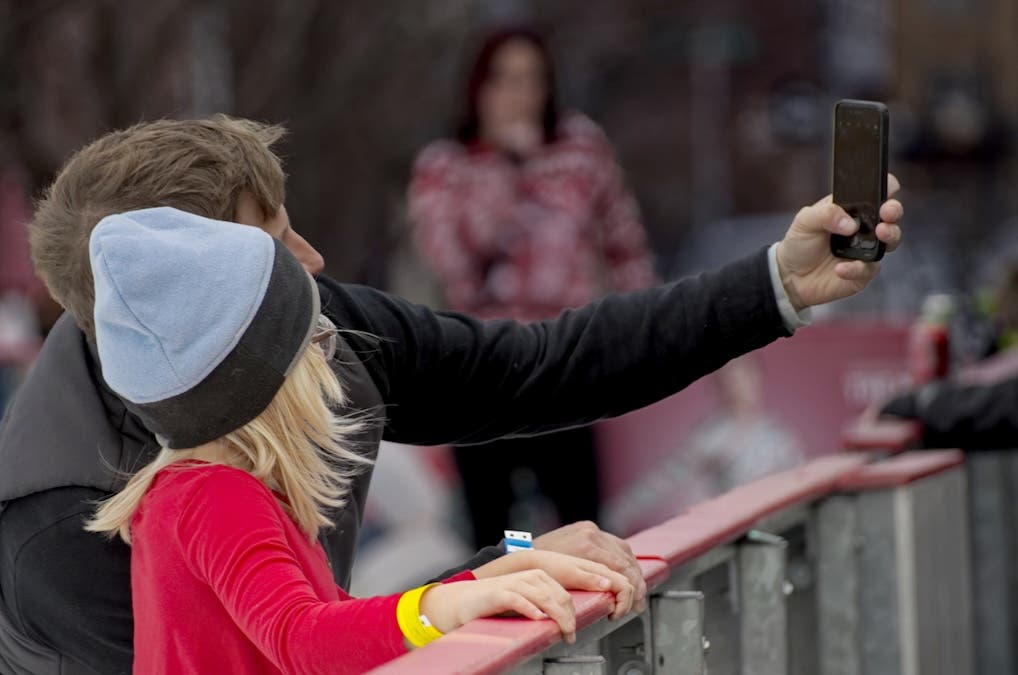
AI, while greatly useful in small doses for noise reduction, sharpening, cloning out an errant small item in the corner of a frame and upscaling without much loss of resolution, has been the straw that breaks the camel’s back. Gen Z is searching for ways to dive back into real life instead of chasing the digital world.
A growing interest in offline culture is bringing a resurgence in connections and experiences. Old iPods are being used for personally curated playlists instead of hitting shuffle on Spotify, journaling on real, actual paper is returning, older used cameras are in high demand, and film cameras and instant cameras like Polaroid are regaining popularity.
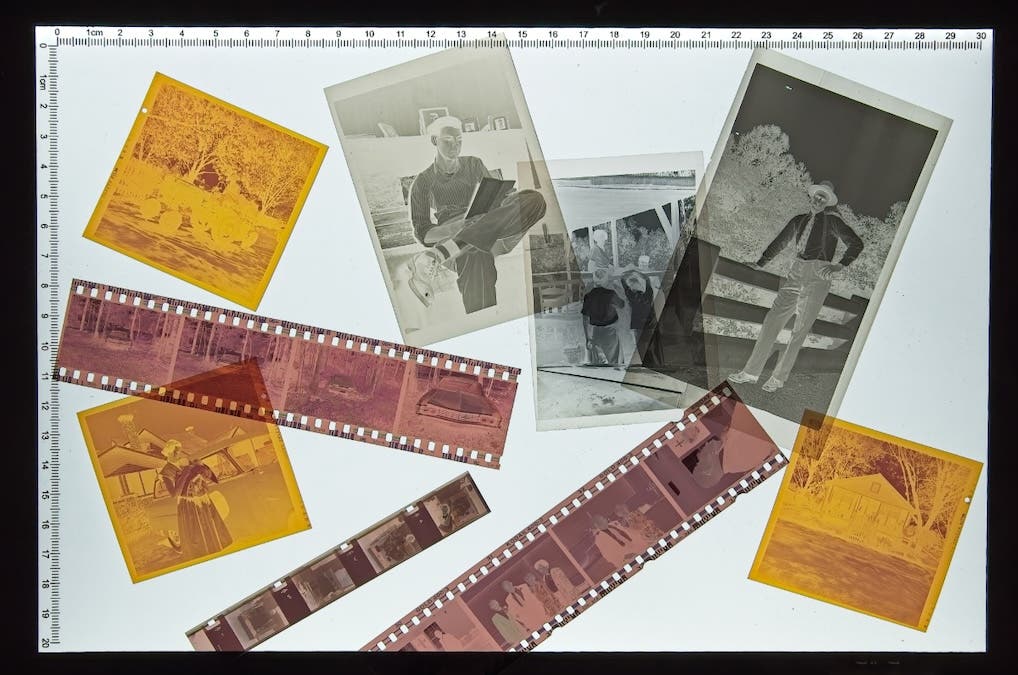
As the new saying goes, “not to sound geriatric, but I just want to turn something on, and it works without passwords, logins, and setup routines.” The new focus is on experiences, much like urban street photography methods. The result is messy, real, and gloriously human again after decades of hurtling towards presentation over substance.
Presence Over Presentation: What This Means for Creators
The shift in what audiences value towards honesty, context, and personality changes the type of content you need to post. The good news for creators is that the shift makes uniqueness and variety more popular again, so you can find your own way without your photos having to fit a certain mold.
The pushback against AI gives us freedom to be different. It’s time to experiment again and create your own voice. Embrace those pet projects you never got around to because you were chasing the crowd.
Narratives are more important than hashtags now, too. Telling the story with words becomes a bigger part of the puzzle, with AI text frowned on. Photographers will need to invest time in sharing extra shots, showing more of the process, and adding lots of context. You may post more process shots during trips and events, or make more complex posts with more images and text afterward.
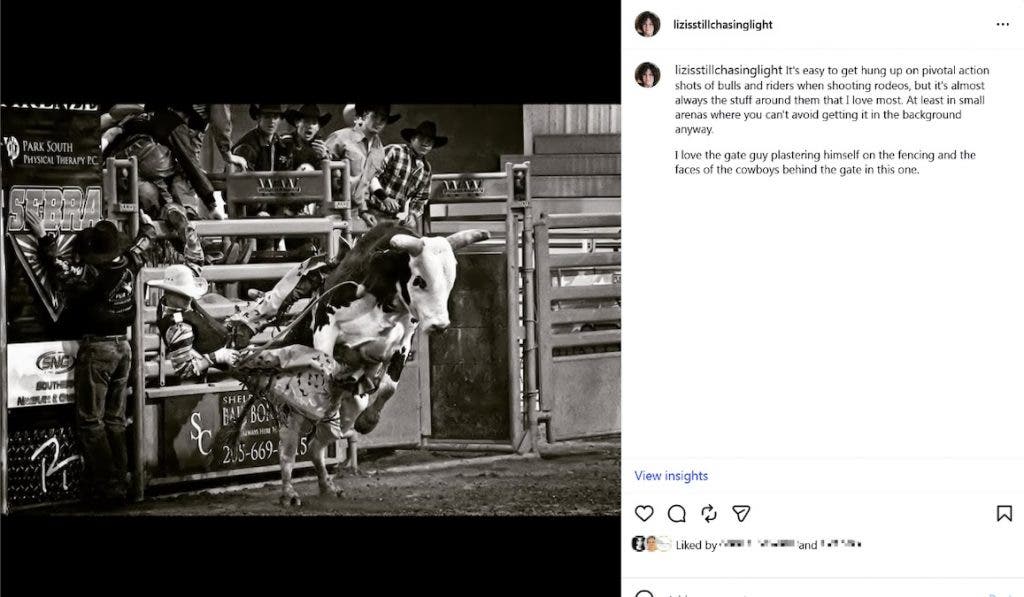
Polished content won’t disappear, but it won’t dominate the same way as the cultural shift from curated to less-filtered moments continues. Photographers will need to find a balance between quality and authenticity while proving it’s real beyond the image itself. In a world where almost anything can be digitally copied, connections and individuality become the important parts.
AI Pushback in Editing: Where’s the Line?
Beyond sharing images, AI in editing is another hot topic among photographers. We’ve used AI for content-aware fill, noise reduction, and sharpening for years, but it was mostly referred to as algorithms. Now, every function seems to be labeled AI, and the debate rages.
For many, it’s adding elements with generative AI, such as replacing skies. For others, it’s changing the color of clothing or other elements in the image. To further complicate things, a photo’s purpose matters. Acceptable AI use for news photos is very different than fashion photography.