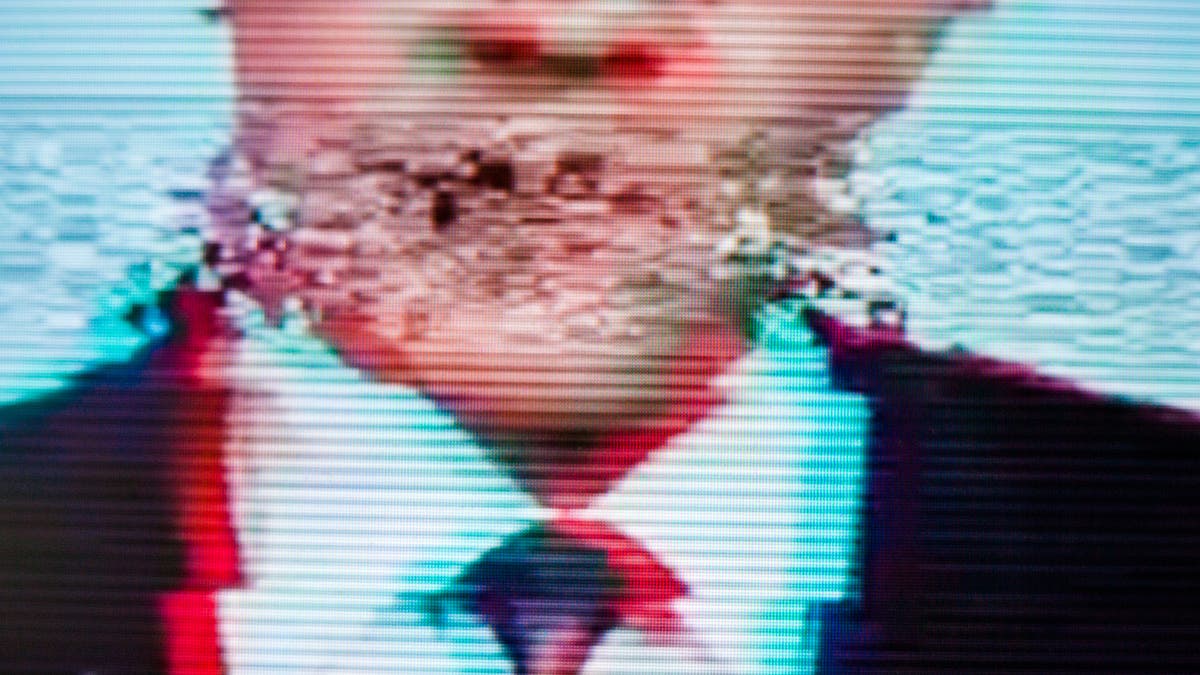
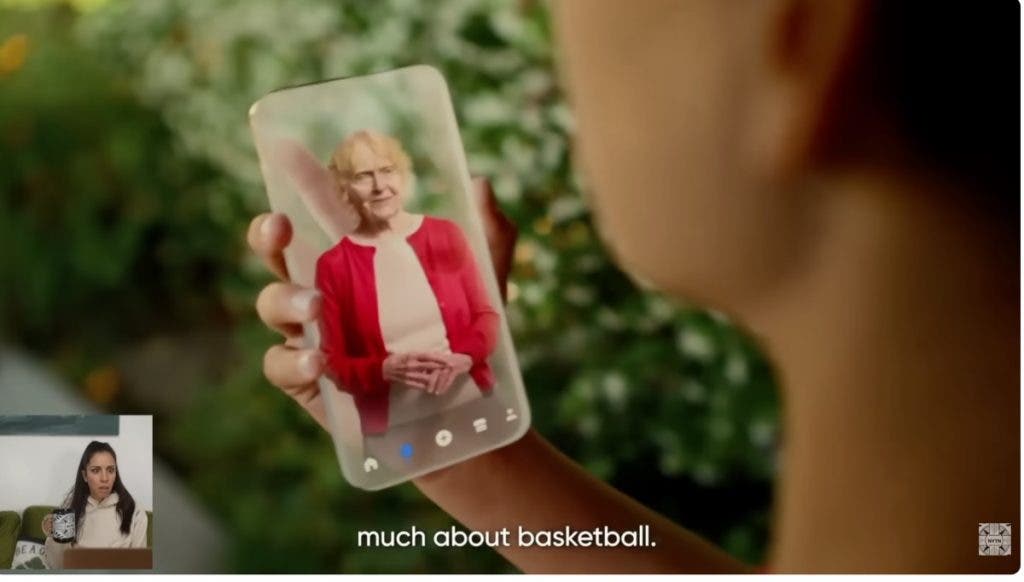
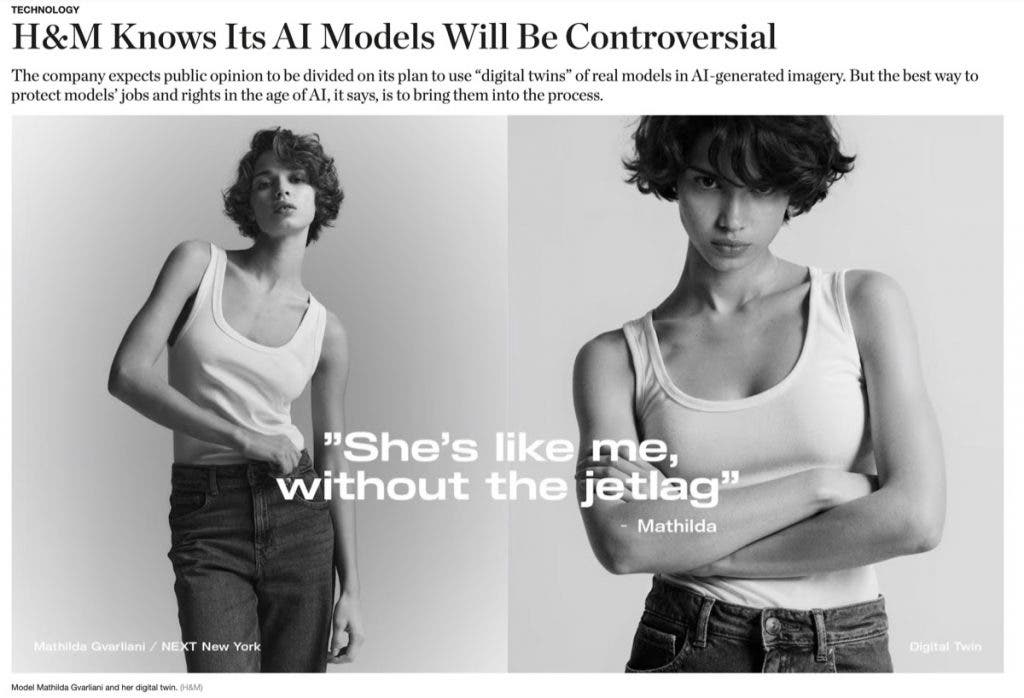
When listing recent AI-generated advertising misfires, a few high-profile examples come to mind. This includes Meta’s AI Granny, H&M’s digital twins, and Coca-Cola’s glitch-filled reboot of its classic 1995 “Holidays Are Coming” campaign. Many viewers found a satirical AI-generated ad from McDonald’s Netherlands more creepy than clever. Additionally, many criticized a Valentino luxury handbag campaign as “tacky and unsettling.” All of these sparked some degree of backlash.
Consumers may be willing to tolerate some uses of AI in advertising. However, they have shown far less patience for campaigns that feel deceptive, inauthentic, or poorly executed. Awkward AI-generated faces and unrealistic imagery make them question what is real and what is not. That growing skepticism is helping fuel a broader movement toward transparency in advertising. This movement has found its way into law in New York State.
Advertisers Who Use Synthetic Performers Beware: Reckoning Day is Coming
Beginning June 9, New York’s Synthetic Performer Disclosure Law (S.8420-A) takes effect. Signed by Governor Kathy Hochul in late 2025, it requires advertisers to clearly disclose when “synthetic performers” are used. The same is true for AI-generated people. Violations can result in fines of $1,000 for a first offense and $5,000 for subsequent offenses. The law applies to advertisements distributed to New York audiences. It applies regardless of a company’s headquarters. This marks a significant shift in how brands may use artificial intelligence across email campaigns, social media advertising, and other digital marketing channels.
When asked about the new law, attorney Aaron M. Arce Stark, whose client base includes creative professionals, expressed relief that lawmakers are beginning to address the rapid expansion of AI-generated content in advertising and digital media.
“As AI-generated people become nearly indistinguishable from real humans, these disclosure laws are becoming less about the technology itself and more about transparency and trust,” he explains. “For photographers and visual creators, rules like this may help preserve the value of authentic, human-created imagery in an increasingly synthetic marketplace.”
Ultimately, the goal is to prevent consumer deception as synthetic media becomes increasingly difficult to distinguish from traditional photography and video.
United We Stand: Other States Join a Broader Framework
New York is not alone. While its first-of-its-kind law focuses specifically on transparency and disclosure when these “synthetic performers” are used in advertising campaigns, other states are pursuing broader AI transparency and accountability measures.
In March 2026, California Governor Gavin Newsom signed Executive Order N-5-26, building on the state’s evolving AI regulatory framework, including the Transparency in Frontier Artificial Intelligence Act (TFAIA), scheduled to take effect in August 2026. According to the California Executive Department, the order expands upon existing efforts to promote watermarking and provenance metadata for AI-generated content while establishing guidelines for the responsible use of generative AI by state agencies.
Taken together, New York’s law and California’s initiatives suggest that AI disclosure is evolving from a niche concern into a broader regulatory expectation.
Other states are moving or have already moved in similar directions:
- Tennessee passed the ELVIS Act in 2024, protecting voices and likenesses from unauthorized AI replication, particularly for musicians and performers.
- Illinois has enacted new rules requiring informed consent for digital replicas when they are used in place of a performer’s work.
- Washington State has adopted laws addressing digital likeness protections and AI disclosure.
- Colorado continues developing broader AI governance and accountability frameworks that may affect businesses using AI systems.
According to media and events company Ad Exchanger, Florida, Hawaii, Indiana, Idaho, Michigan, Nevada, North Dakota, Oregon, Utah, Washington, and Wisconsin have already passed or are considering AI-related disclosure requirements, particularly for political advertising.
The direction is becoming increasingly clear. The question is no longer whether brands can use AI in advertising, but whether consumers are clearly informed when they do.
Now Celebrities Are Registering Their Likenesses
The push for transparency is also intersecting with another growing concern: AI impersonation.
Beyond disclosure laws, celebrities are increasingly taking steps to protect their names, images, likenesses, voices, and other distinctive personal attributes through intellectual property and publicity rights protections. Several public figures have registered elements of their identity with the United States Patent and Trademark Office, including distinctive catchphrases, gestures, and vocal characteristics.
For example, Matthew McConaughey has registered a sound mark covering the phrase “alright, alright, alright” in his own voice, along with protections for elements of his image and persona.
“Federal trademark registrations can provide more uniform and broader enforcement rights across the U.S. for distinctive elements of a celebrity’s name, image and likeness,” says Donna Tobin, chair of the intellectual property group at Royer, Cooper, Cohen and Braunfeld. “Federal registrations can also strengthen takedown requests made to social media platforms.”
These efforts reflect a larger reality: “As AI-generated content becomes more convincing, both lawmakers and individuals are seeking new ways to establish authenticity, ownership, and trust in digital media.”
No Generated People or Bodies: An Ongoing Commitment to Non-AI Advertising
As lawmakers, performers, and public figures push for greater transparency and control over AI-generated likenesses, brands are also recognizing that consumers increasingly value authenticity over synthetic content. For some companies, that has meant not only disclosing AI usage but publicly pledging to avoid AI-generated people altogether.
One of the most prominent examples came in April 2024, when Dove committed to never using AI-generated women in its advertising as part of its longstanding “Real Beauty” platform. The company stated that it would continue featuring real women in its campaigns, avoid digital distortion, and never replace people with AI-generated imagery. Dove reaffirmed that commitment in 2025.
Since then, brands including Aerie, Polaroid, Nintendo, and others have made similar commitments. On the flip side, brands including Nike, Heinz, Adidas, Virgin Voyages, and Mint Mobile have disclosed their use of AI synthetic performer campaigns.
These pledges come as consumer skepticism toward AI-generated content continues to grow. A Gartner Marketing Survey conducted in October 2025 found that more than 68% of U.S. consumers frequently question whether online content is genuine, particularly when AI and synthetic media are involved. “The combination of AI-generated content and synthetic media is creating a ‘high-risk’ landscape for brands making unsubstantiated claims,” it concluded.
The Bottom Line on AI-generated Advertising
The bottom line? AI itself isn’t necessarily the problem. What consumers seem to object to is feeling misled. That’s why, after the Gartner survey, it was recommended that marketers treat AI as a trust issue as much as a technology issue, making its use transparent, optional, and clearly beneficial to consumers. As AI-generated content becomes more common and harder to detect, the brands that are upfront about how they use it may be the ones that earn the most trust. And with New York’s new law imposing fines on advertisers that fail to disclose the use of synthetic performers, transparency is quickly becoming more than a best practice; it is becoming a business and legal necessity.