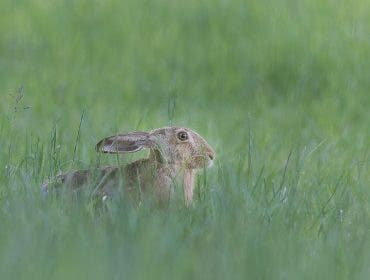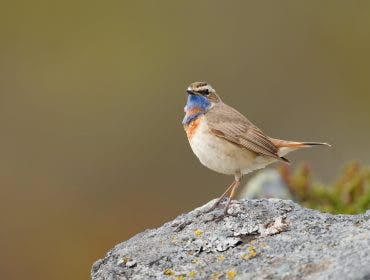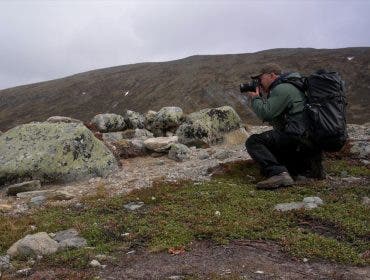
Stepping up from the Nikon NIKKOR Z 400mm f/4.5 to the Nikon NIKKOR Z 600mm f/4 TC wasn’t a decision I made easily. The Z 600mm f/4 TC costs five times as much as the Z 400mm f/4.5, and paying around $15,000 for a lens left a significant impact on my photography budget. But the real question was simpler: would the extra reach, brightness, and creative freedom justify the cost? After more than a year with the 400mm lens, I felt I was missing something in reach, and some shots were still impossible. I leaped to the 600mm lens, and, in the end, it did.
My Lens Journey as a Wildlife Photographer
If you consider entering the amazing world of wildlife photography, please don’t imagine you will need a $15,000 lens straight away. My journey started with a budget, basic, third-party zoom lens: the Tamron SP 150-600mm f/5-6.3 Di VC USD G2. It cost me around $1,400 when I bought it.
The generous 150-600mm zoom range allowed me to gain experience with various types of nature photography and identify the typical shooting range I would prefer for wildlife photography. For me, the sweet spot is between 400mm and 600mm.
However, even though the SP 150-600mm f/5-6.3 was giving me range, it wasn’t giving me light. In theory, the maximum aperture is f/6.3 at the long telephoto end, but in practice, I found the lens to start performing well only at f/8. By performing well, I mean taking bright, clear, detailed shots. The limited aperture affected brightness, ISO settings, depth of field, framing, and composition. I would have to use a shorter focal length, increase ISO, or wait for better lighting, all options affecting my photography and workflow. I was more set on technicalities than on storytelling.
Stepping Up to Prime Glass: The Z 400mm f/4.5
As soon as I could afford a better lens for wildlife photography, I bought one. It was the Z 400mm f/4.5, a prime telephoto lens with a focal length at the lower end of my requirements, but fast, sharp, and bright. It cost around $3,500, which at the time was a big expense for me.
The maximum aperture was f/4.5 in both theory and practice, and it provided the brightness and level of detail I needed. I didn’t have to wait for the sun to come up, hurry to finish shooting before sunset, or avoid shooting in the shadow. The photos were beautiful, smooth, and crystal clear. The only problem was that I missed good shots because of the reach. It would take all that I have to get close to wildlife. I got better at using camouflage, which is a good thing, but I also missed a lot of shots. This is how I arrived at my next big lens investment: the 600mm f/4 TC.
The Battle of Specifications: Nikon NIKKOR Z 400mm f/4.5 vs. Nikon NIKKOR Z 600mm f/4 TC
Both the Z 400mm f/4.5 and the Z 600mm f/4 TC are designed for Nikon’s Z mirrorless camera series. As I have a Z8 camera, it makes sense to me to choose from Nikon’s compatible lenses.
Focal Length
The obvious difference between the two lenses is, of course, the focal length. The first offers a fixed 400mm focal length, while the second offers a fixed 600mm focal length. However, the 600mm f/4 TC has an ace up its sleeve: a built-in 1.4x teleconverter that extends the 600mm focal length to an astonishing 840mm.
How far you can reach is not the only feature to consider. The minimum focusing distance also matters, especially if you photograph a broad range of wildlife, not all of which is at great distance. The 400mm f/4.5 allows you to focus as close as 2.5 meters. The 600mm f/4 TC’s minimum focusing distance is 4.3 meters. If you are in the forest and a hedgehog, rabbit, or squirrel walks just in front of you, you have a better chance of getting a good photo with the 400mm lens.
Build
Both are well built, but the 400mm f/4.5 is significantly lighter. They are robust, dustproof, splashproof, and weather- and wear-resistant. They also feature built-in image stabilization and advanced optics to minimize chromatic aberrations and other distortions. From a quality standpoint, both are great, but the 600mm has a really professional feel.
Brightness
Another feature concerning me, and any wildlife photographer for that matter, is brightness. In wildlife photography, all you have is natural light, and you need gear able to cope in less-than-perfect conditions.
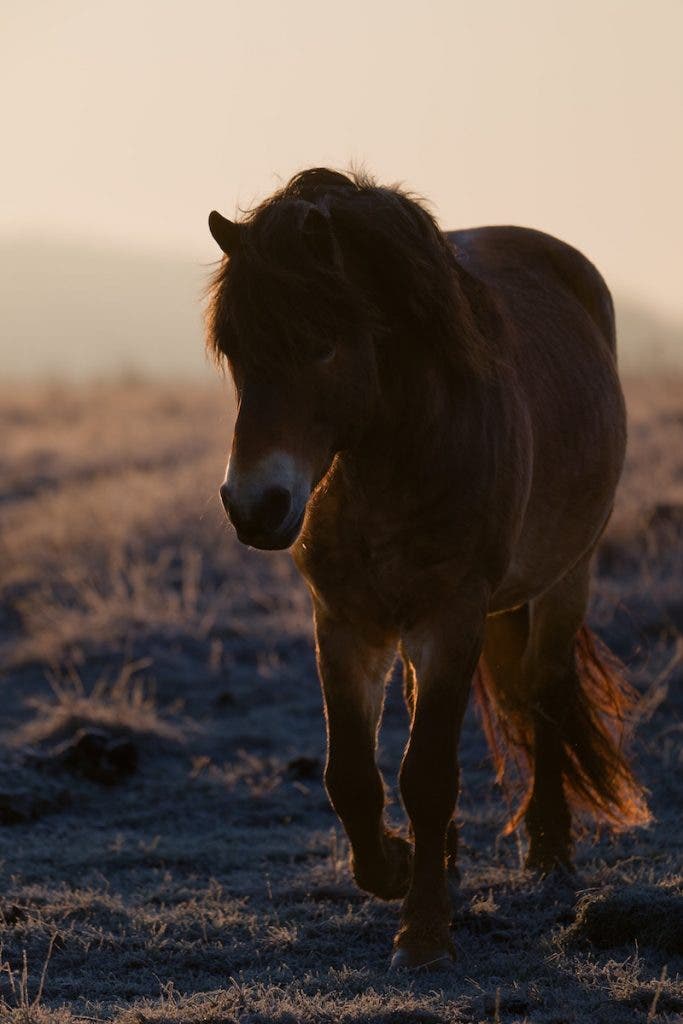
The 400mm lens offers a maximum aperture of f/4.5, and I appreciated the difference it made to my workflow and extended shooting duration compared with my previous lens. However, the 600mm f/4 TC goes a step further. A seemingly small step that makes a big difference. Your concern should be depth of field, but even though it seems insignificant with just a 0.5-stop difference, when coupled with the longer focal length, the result is much better aesthetics in the photos taken with the 600mm. The drop-off in sharpness comes faster. But it’s nice to have options instead of being stuck in a limiting setup.
Autofocus
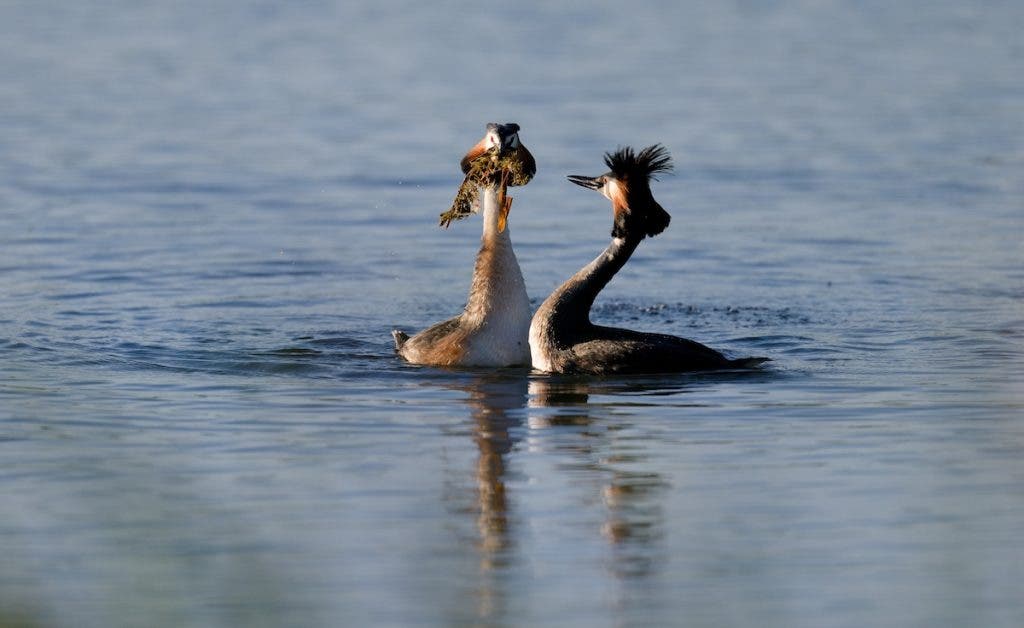
In terms of autofocus, both lenses are fast, precise, and quiet. The 400mm f/4.5 has a responsive stepping motor (STM). The 600mm f/4 TC has Nikon’s latest, near-silent Silky Swift Voice Coil Motor (SSVCM), which is snappier and more accurate, again leading to more keepers. The focusing is also quieter, which comes in very handy when recording videos where silence is key. That being said, I never had any issues with the focusing motor being audible in my recordings on the 400mm f/4.5
Weight and Portability
We should also talk about weight and portability because there is a significant difference between the 400mm f/4.5 and the 600mm f/4 TC. The 400mm lens weighs approximately 1.2kg, while the 600mm lens weighs approximately 3.2kg.
Carrying such a heavy, bulky lens is challenging both physically and in choosing a camera bag. You need something to accommodate a huge camera-lens combo and will likely need support when shooting, whether it is a tripod, a big rock, or your backpack.
In comparison, the 400mm lens feels like a breeze now. I would shoot mostly handheld, walk around with the camera slung over my shoulder, and carry it in any camera bag I had at home. So this is a real change in my workflow. I have to sit still rather than walk around, but I also feel that will lead to better photos because wildlife is less alert when you are motionless with the camera on a tripod. It is easier to capture natural behavior when sitting still. Because you have the longer reach, you can also stay well outside of the fear zone where they begin to think about fleeing.
For me, weight and size aren’t decisive factors, but they might be for you, so consider your workflow and requirements carefully before stepping up to the next lens. Moreover, you may need to include the cost of new accessories in your budget (e.g., a large camera bag or backpack, a sturdier tripod, etc.).
Sharpness and Background Rendering Comparison
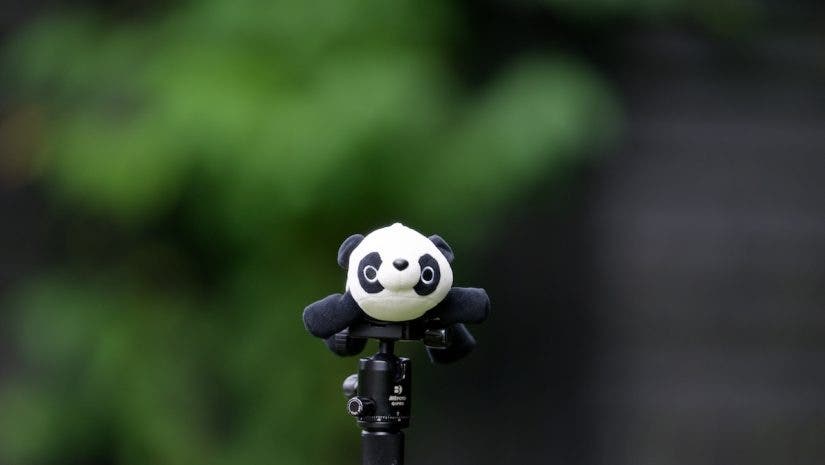
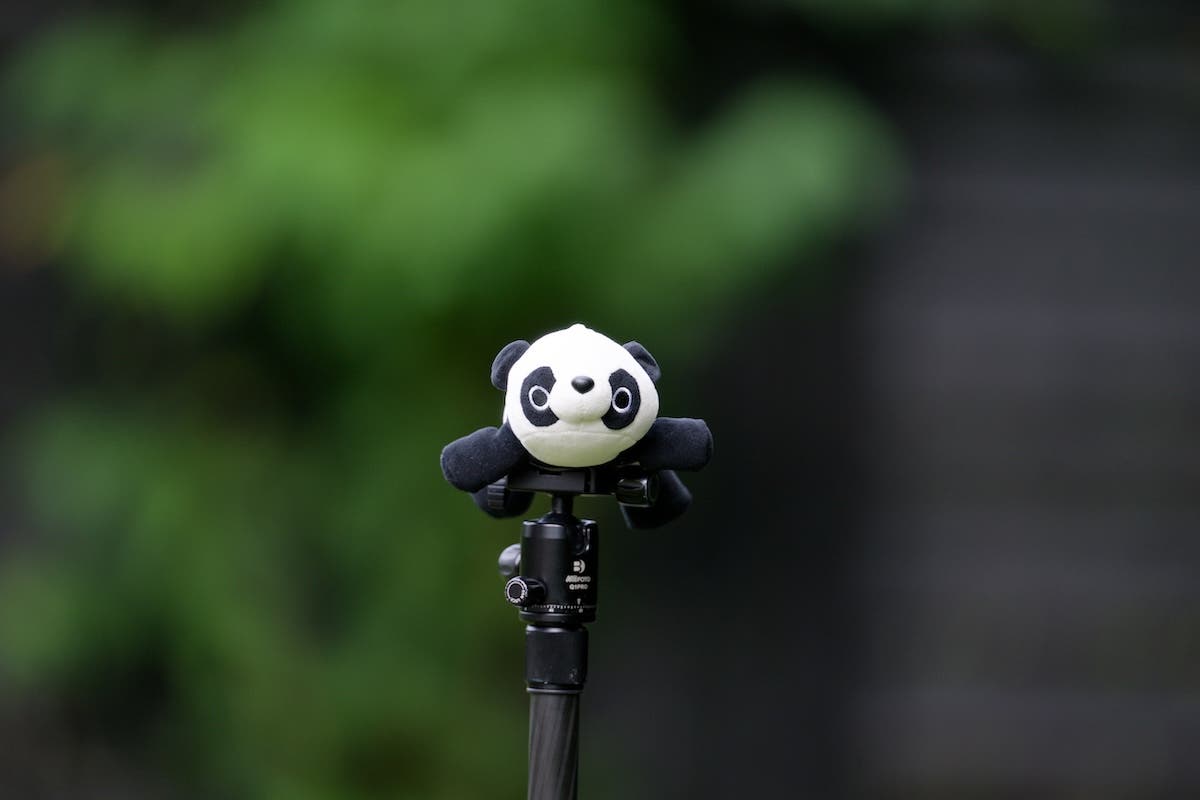
Comparing specifications is fine when you have no better option, but I prefer to make small, customized, practical comparison sessions. So, I took my loyal model, Peter Pandi, into the garden and photographed him using the widest aperture settings with both lenses (and with an ext. 1.4X teleconverter).
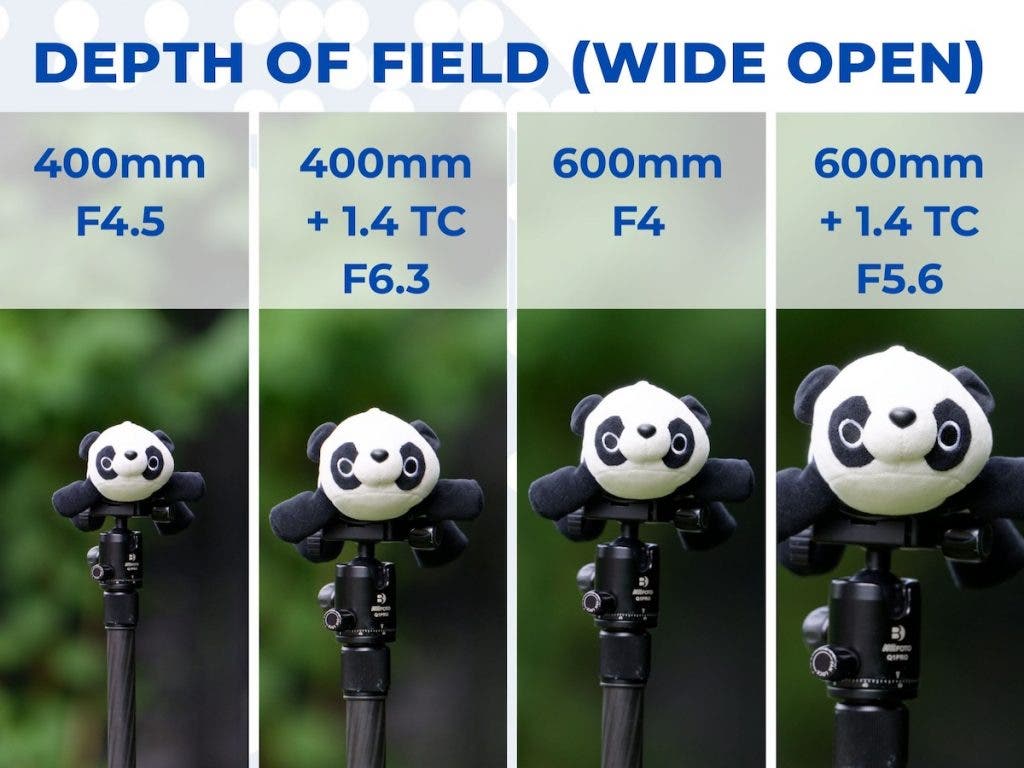
The focal length difference is obvious and shows you why the 600mm lens is a better companion on long wildlife photography expeditions, like my most recent one in the Norwegian Fjell.
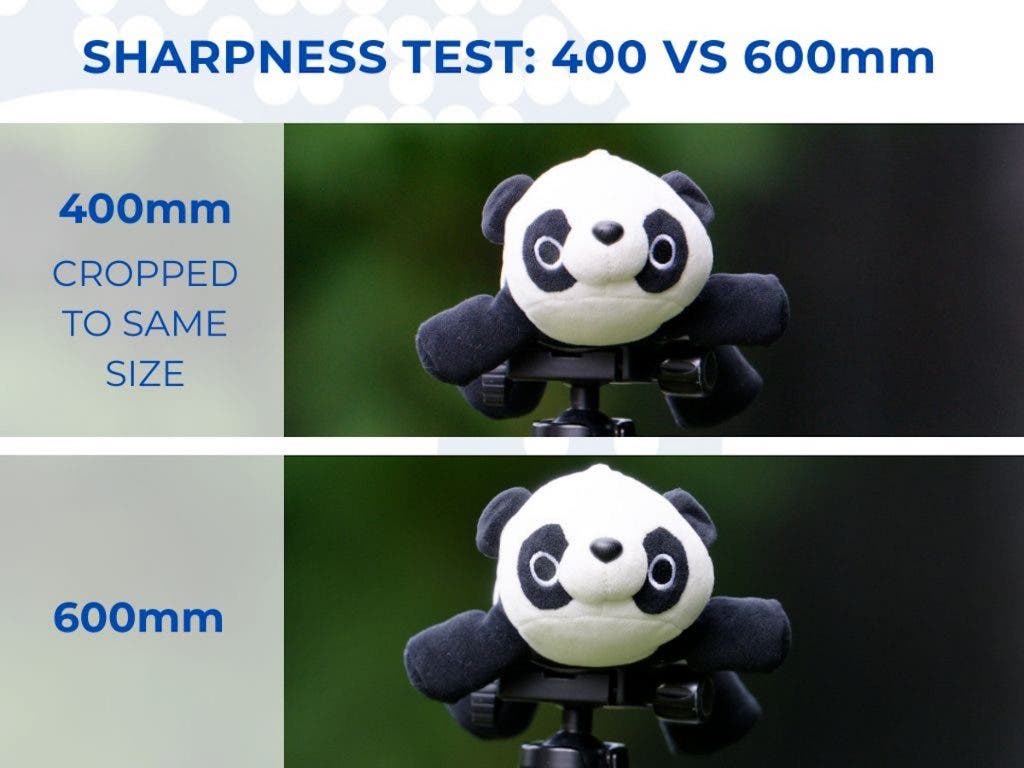
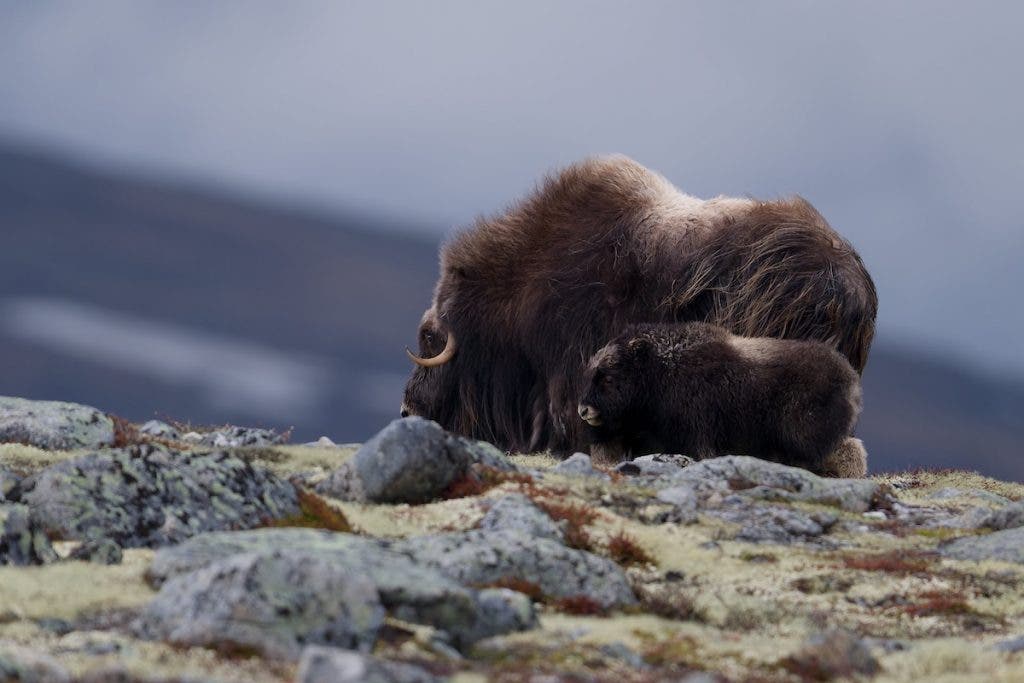
Peter Pandi is a nice guy and lets me photograph him up close at 10 meters, but with the Norwegian muskoxen, the minimum safety distance is 200 meters. It would have been impossible to photograph them in the open field with the 400mm lens. It is not only the sharpness that jumps out at me, but also the background rendering, which looks way superior in comparison.
Why the Investment Pays Off in the Field
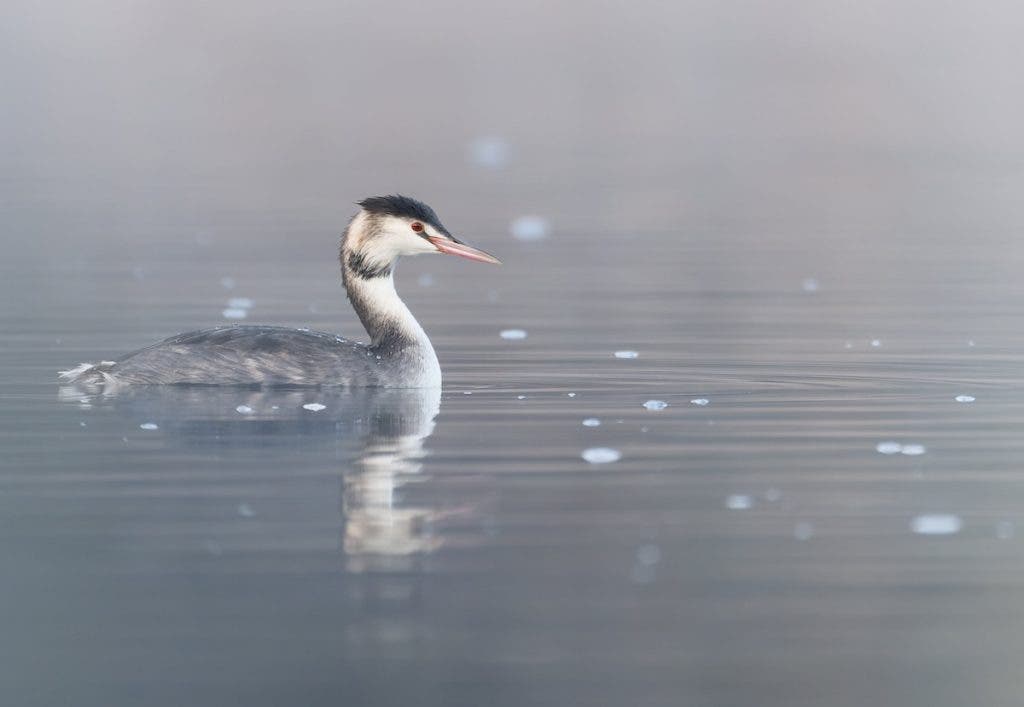
After conducting the forest experiment and taking the 600mm lens on a multiday expedition, I concluded that the shift in quality is real and noticeable. For me, stepping up to the 600mm f/4 TC is worth it.
This is where the real justification for getting the expensive 600mm really becomes visible. As a professional wildlife photographer, you are expected to deliver flawless photos consistently, and that is why I think of the 600mm as a bread-and-butter lens. It is the one that will make sure I don’t waste too many mornings in the field, scaring wildlife away, trying to get closer, or coming home with photos that look soft because I have to crop them in post.
Therefore, if you’re a pro or going pro wildlife photographer, I suggest that you step up from your budget zoom lens or the all-you-could-afford-last-year prime telephoto lens and go for something that gives you reach, light, and creative freedom. In my opinion, the 600mm f/4 TC is the perfect match for my Z8 camera and my workflow, but I wouldn’t exclude the Nikon NIKKOR Z 400mm f/2.8 TC if 400mm is enough reach and you just need the extra light, or the older Nikon NIKKOR 500mm f/4E FL ED AF-S if you use a DSLR camera. Of course, I’m referring to Nikon camera-compatible lenses, but I’m sure there are similar options for any camera model.
Final Thoughts
My lens journey as a wildlife photographer took me to the exquisite NIKKOR Z 600mm f/4 TC via the slightly modest in reach but not in quality NIKKOR Z 400mm f/4.5. Each step was a discovery based on empirical data, field experiences, and many trial-and-error phases. Years ago, when I bought my first telephoto lens, I didn’t know I would get here. I didn’t plan my journey. Instead, I allowed and encouraged myself to explore, learn, make mistakes, understand what I want to photograph and why, and then decide what gear will help me bring my stories to life. I’ve enjoyed every step of the way so far, and I look forward to my next adventure with my 600mm lens.