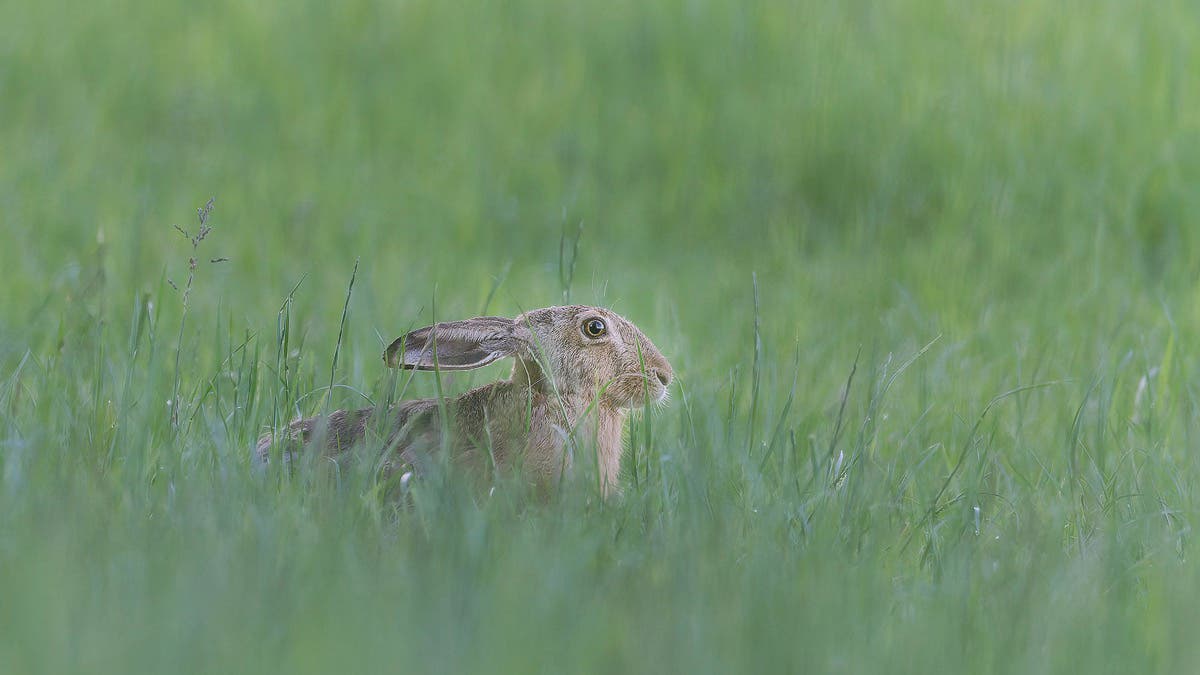
One year ago, I left my general-purpose, zoom telephoto lens, Tamron SP 150-600mm f/5-6.3 Di VC USD G2, for a daring, prime lens Nikon Z 400 f/4.5 VR S, seduced by its wide maximum aperture and promise of exceptional sharpness and the possibility to shoot in lower light conditions. It seemed the right thing to do, and the logical next step up, when wanting more light, while also keeping an eye on the bank account.
Prime lenses are considered more performant and higher in quality than zoom lenses, although they lack versatility in focal length range. They are also the purest choice because they force the photographer to adapt to a situation, be creative, and improve their technique and workflow instead of relying on gear to do the heavy lifting. Henri Cartier Bresson stood by his 50mm lens. But can a wildlife photographer stand by the Nikon Z 400 f/4.5 VR S? And did I come back to my generous zoom lens? Here is my 1-year field report.
Moving from a Zoom 150-600mm Lens to a Fixed 400mm Lens
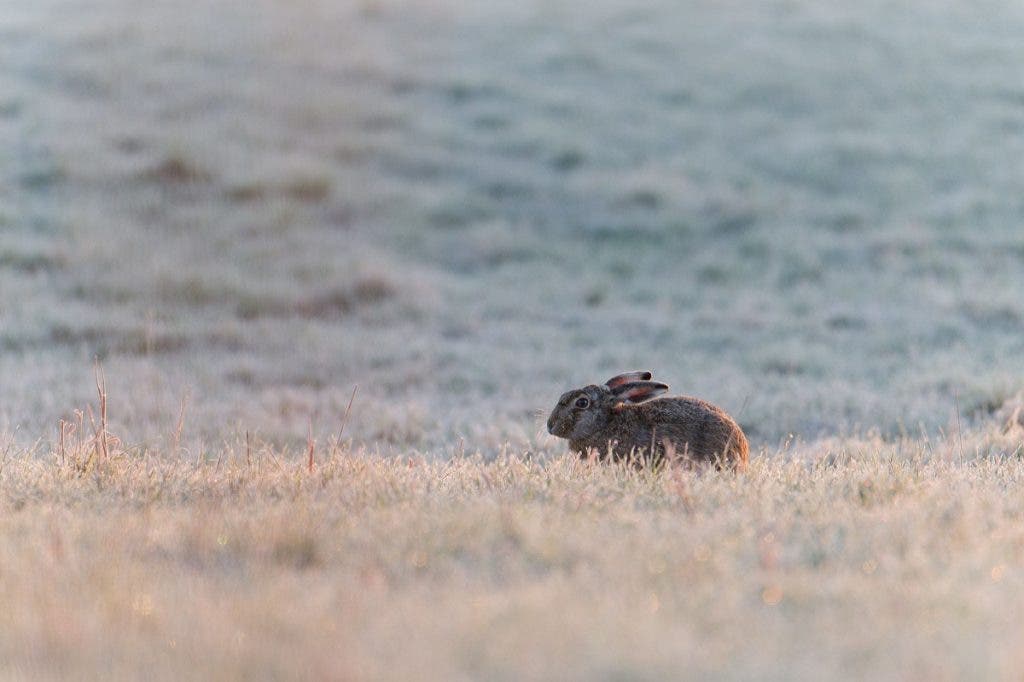
Moving from the comfort of a 150-600mm focal length range to a limited 400mm has been a struggle, one that continues to haunt me even after a year has passed. I miss most the reach on the long end, as you can imagine. Wildlife is not particularly known for gladly posing from short distances, and getting close can be tricky. And sometimes, impossible. I live in Denmark, which is a hunting-happy nation, plus forests are small, which means that wildlife is more skittish and runs away at the slightest sound, scent, or sign of human presence.
However, since I had no other option but getting close enough so my Nikon Z 400 f/4.5 VR S lens could do the job, which, by the way, it does stunningly. I learned to adapt to the situation. For example, I got better at using camouflage, researching locations, and getting to know the animals’ lifestyles so I could get into position before they arrived. The learning curve took me from frustrating situations in which I would get too close and spook the animals to awkward ones in which I would wait for hours, only for the animals not to show up.
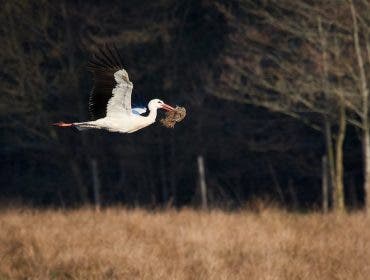
Although these bad moments still happen (they are inherent in a wildlife photographer’s life), I’ve become better at organizing and timing, and now I find myself more often in situations where everything works out, and I go home with great shots. There is no doubt that when I get close enough, the Nikon Z 400 f/4.5 VR S produces some incredible pictures.
Match You Lens to the Subject
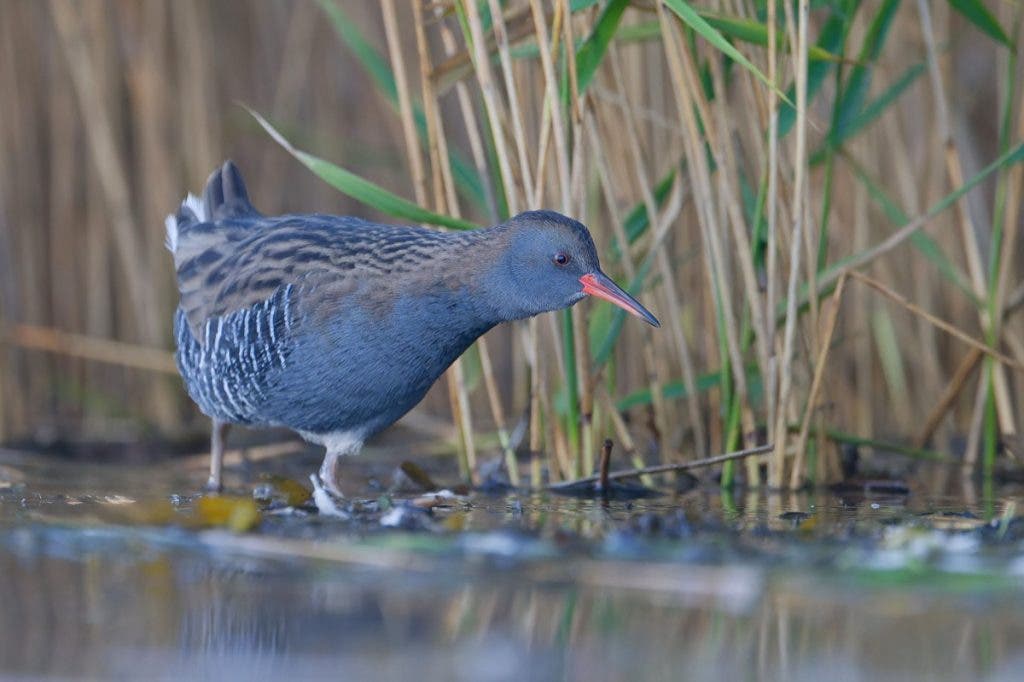
The choice of lens depends on the subjects you intend to photograph. And I don’t mean just street life versus wildlife, but deer versus birds, too. During the past year, I have seen myself becoming a bit limited in my choice of wildlife because of the 400mm lens. I simply can’t get close enough to some animals. But that says more about the availability of subjects in my area than it says about the lens. This lovely water rail is still within my reach, but only because I was in a floating hide when I took this shot.
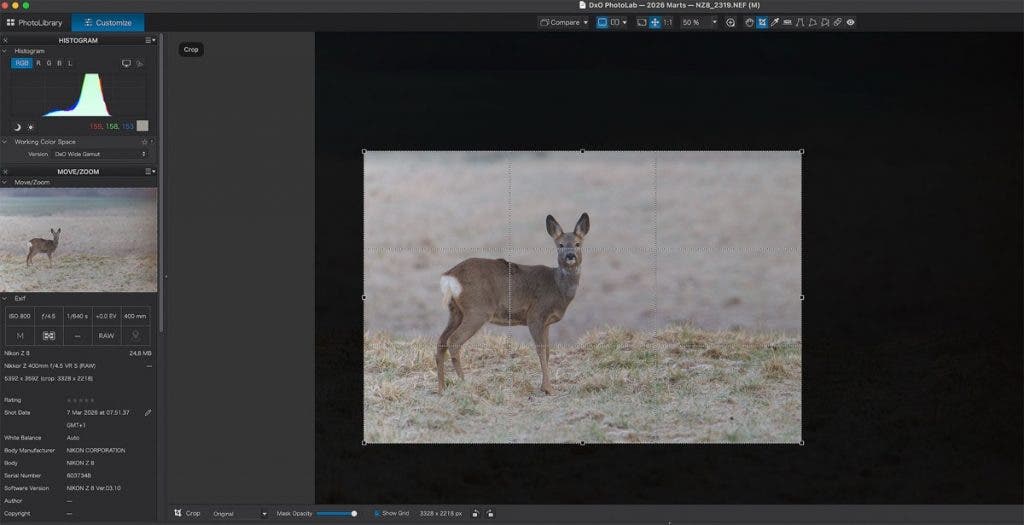
Due to the Nikon Z8’s resolution, I usually have enough pixels to crop without degrading image quality to the point where the photos become unusable. But there are cases like the shot below, where you can see the number of pixels I lose because I’m not close enough. I go from above 8,000 pixels to roughly around 3,300 pixels. Less than ideal.
I didn’t give up completely on the idea of having the luxury of a 600mm focal length. I bought myself a Nikon Z TC-1.4x teleconverter, which helps me get a reach of 560mm from my 400mm lens. However, the sharpness suffers quite a lot, and I wouldn’t recommend using it except in extreme conditions when nothing else works, such as photographing subjects that are impossible to get close enough to. So if you can’t live without approx. 600 mm reach, you should get a lens with this focal length natively. However, get close enough, and the lens is way sharper than my previous setup, with better background blur, and a lower ISO because of a more open aperture.
Setting Up with a Nikon Z 400 f/4.5 VR S Lens
What you first notice when picking up the Nikon Z 400 f/4.5 VR S is its weight. The lens is light as a feather, which encourages me to shoot handheld for long periods. I rarely use a tripod with it. Thanks to its weight and robust weather sealing, the Nikon Z 400 f/4.5 VR S is a portable companion.
Yet, I have another reason for avoiding using a tripod with this lens. The tripod mount on the Nikon Z 400 f/4.5 VR S is not Arca-Swiss compatible, so you must either replace the tripod mount or use an adapter, which, from time to time, can come loose.
Handholding the camera saves you a lot of fiddling in the end. Besides, the lens features 5.5 stops of built-in image stabilization, reducing my stress about camera shake and allowing me to freeze motion.
I also find the lens hood to be a bit tricky. Not my favorite thing in the world. On the other hand, you can shoot with backlighting without worrying about reflections and glares. That, I like.
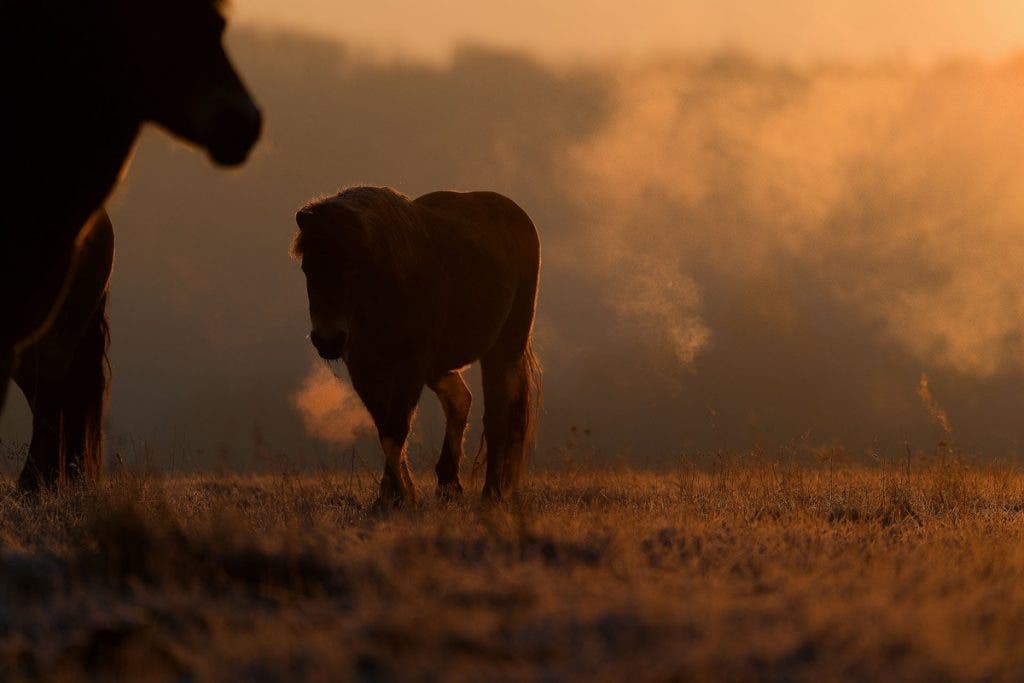
The Nikon Z 400 f/4.5 VR S and the Aperture Promise
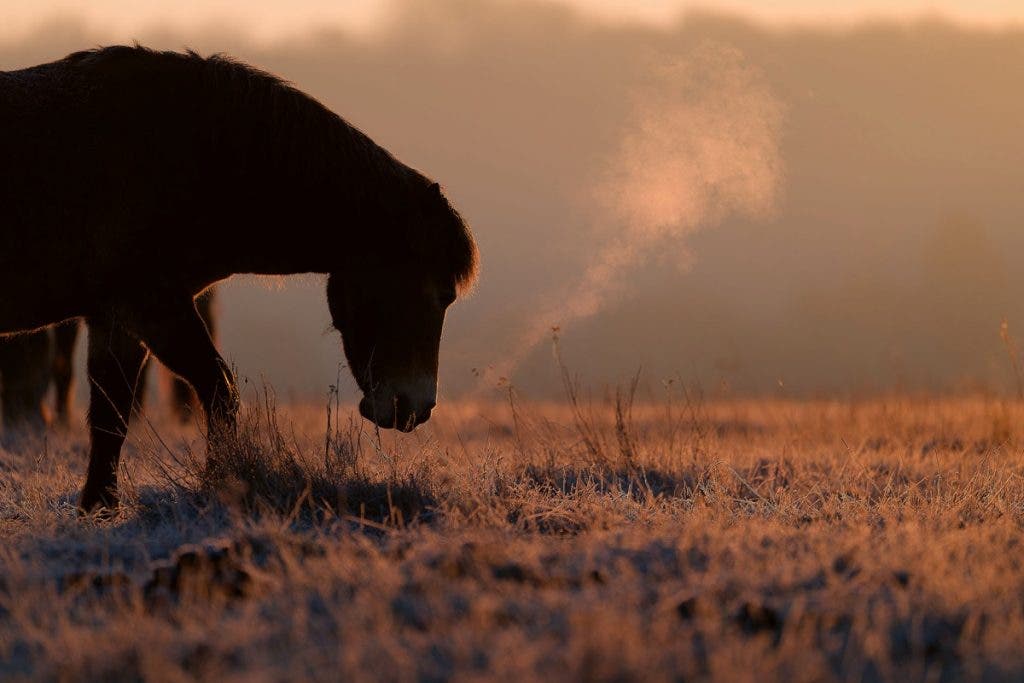
One of the main reasons for which I chose the Nikon Z 400 f/4.5 VR S was its large maximum aperture. Therefore, I don’t intend to close it down too often. My previous lens, the Tamron SP 150-600mm f/5-6.3 Di VC USD G2, was challenging at f/5.6 because it wasn’t sharp until f/8. Because of this f/8 sharpness limitation, I would wait 30 minutes longer at sunrise to shoot at the same shutter speed and ISO, and end my sunset sessions 30 minutes earlier in the evening. That’s heartbreaking because these are the periods when the animals are most active. Lack of light is the most dominant constraint in wildlife photography.
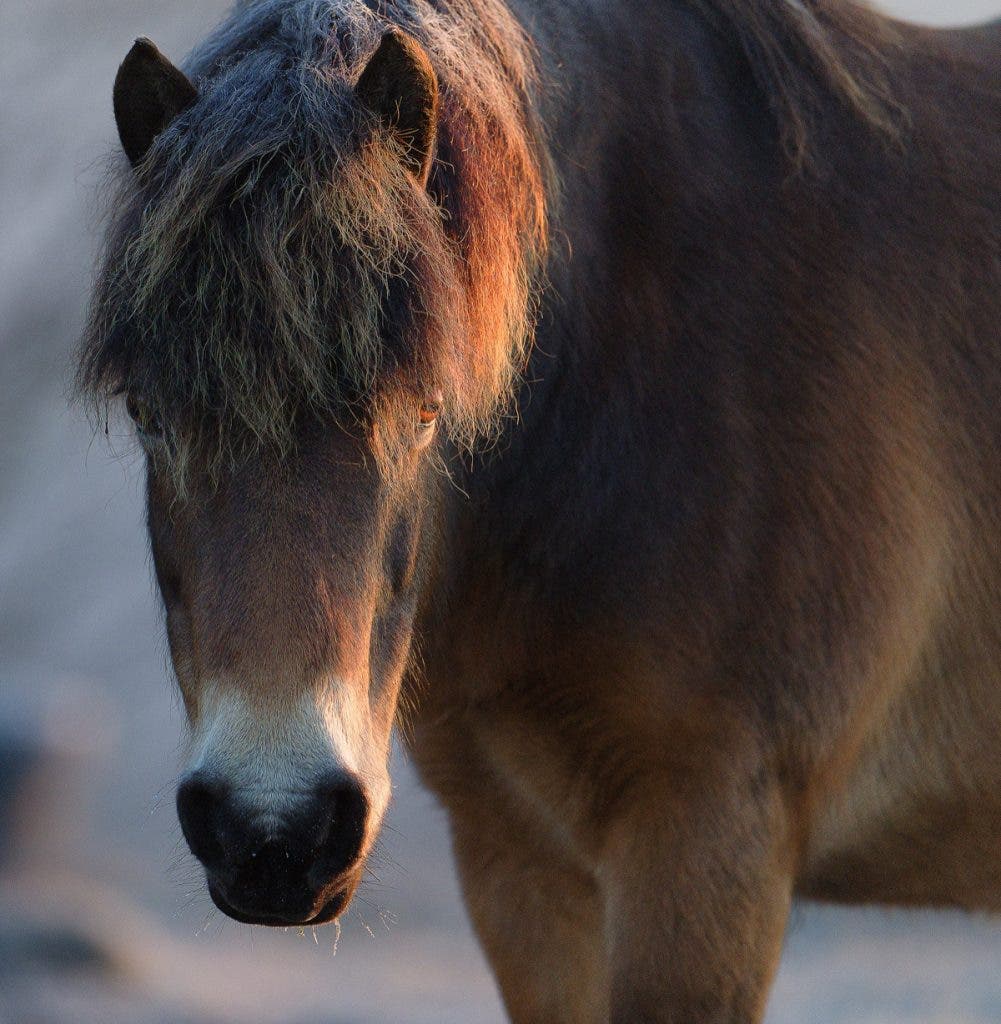
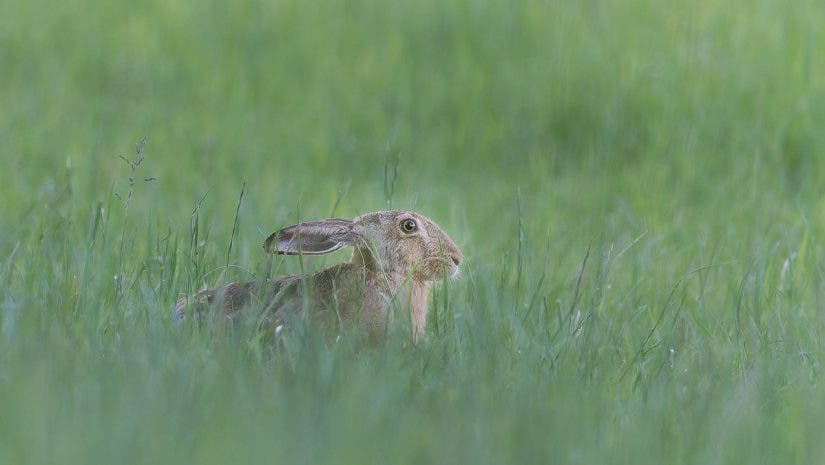
So, after a year of using the Nikon Z 400 f/4.5 VR S, I can report that my most used aperture setting is between f/4.5 and f/5.6. The photos are sharp, even at these wide apertures. The background is blurred, and the bokeh effect is beautifully smooth. I can benefit from the entire golden hour time and take great shots without stressing about aperture and sharpness.
A Sharpness Test in the Forest
A prime lens, such as the Nikon Z 400 f/4.5 VR S, should, in theory, provide the same sharpness throughout the entire aperture range. That’s one of the main drawbacks of many zoom lenses. Not only is the maximum aperture usually not maintained throughout the entire zoom range, but sharpness also varies throughout the aperture range.
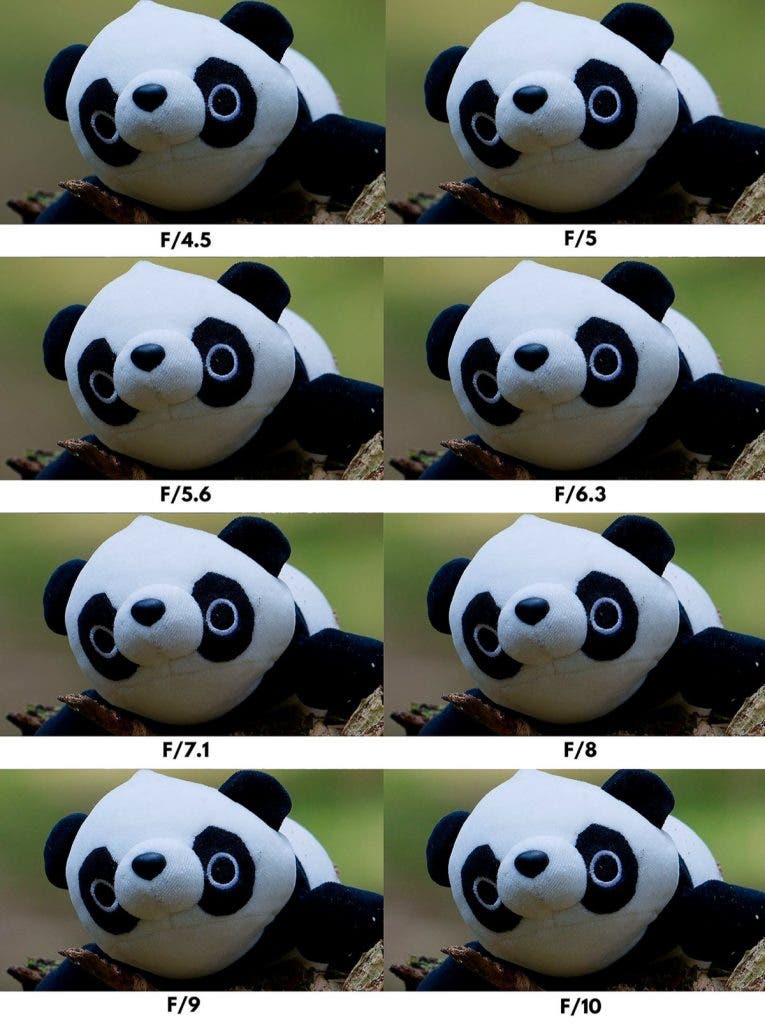
So, I put the Nikon Z 400 f/4.5 VR S to the test. As a model, I booked Peter Pandi, a gift from my daughter who thought it was only right that I should have a teddy bear, too. Peter Pandi’s head is about 5 cm in diameter. His black and white fur is perfect for evaluating sharpness.
I took the model into the forest and set him up on a tree at about 8 meters from the camera. Then, I took a photo at each aperture step between f/4.5 and f/10. The minimum aperture of the Nikon Z 400 f/4.5 VR S is f/32, but I hardly ever shoot above f/10. The only exception would be a super close-up shot where I need depth of field, and that’s not something that’s going to happen when photographing wildlife unless you’re dealing with tame subjects. So, I stopped at f/10 and gave Peter Pandi the rest of the day off.
The results are evidence that the Nikon Z 400 f/4.5 VR S is sharp throughout the aperture range. It didn’t even flinch. Neither did Peter Pandi. The test was a complete success.
Final Thoughts
In conclusion, I love the Nikon Z 400 f/4.5 VR S lens…. when I am close enough. The photos are stunning once you get used to shooting with a prime lens and learn to overcome the shorter focal length by getting closer to your subject. The wide maximum aperture fills my heart with joy during low-light photo sessions, and the maintained sharpness throughout the aperture range is the security blanket I need to fully focus on composition and storytelling.
But when I’m not close enough, I get frustrated and miss a 600mm lens. As a wildlife photographer, the choices you make in terms of gear influence so much of your workflow that I truly believe you must be at peace with every single piece of equipment you use. I am still making my peace with the Nikon Z 400 f/4.5 VR S lens, because I have a mismatch between the subjects I want to capture and the focal length. And this should be a top priority to look at whenever you are considering a new lens: What focal range do you mostly shoot with, and what lens options do you have in that range?
If a 400mm prime lens is not in your budget and you want some tips on working with budget lenses, check out 5 Hacks to Get Amazing Photos with a Budget Wildlife Lens, also by Peter Dam.