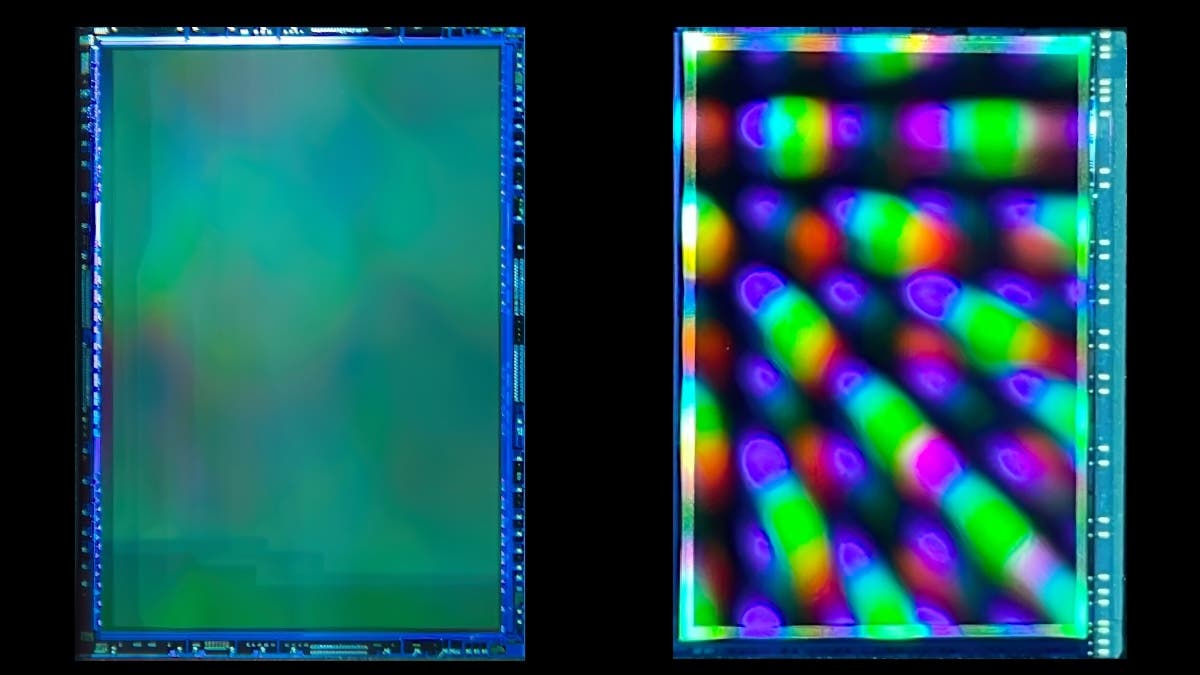
CCD cameras and digicams are back. People are flocking to the color tones and nostalgic vibes. But how did we get here? It started with curiosity purchases of out-of-date digicams and DSLRs in thrift shops. Then the nostalgic results sparked TikTok hype, which in turn led to an avalanche of influencers and then skyrocketing prices. And all that quickly led to pushback. Older CCD sensor cameras are in again, but do they deserve it? What’s real and what’s hype?
The Digicam Revival: What Is the CCD Look

Early DSLRs with CCD sensors and pocket digicams are the next wave of old made new again. People are looking to capture the feel of an earlier time. Where the film revival was about the feel of the images, the digicam revival is warring with itself over whether the goal is the specific look of the photos or the fun of a quick point-and-shoot compact camera and images that are ready straight out of the camera (SOOC).
Part of it is the search for less-processed, more “human” images in the face of advancing AI that makes everything feel unreal. There’s also a real draw for the tactile experience of buttons, physical lens zooms, and photos that aren’t skinny 9:16 formats.
James Warner of snappiness explains his love of digicams, saying, “Another thing I love about digicams is their physical nature and personality. Camera designs back then were crazy; some even twisted or flipped to reveal the lens. People often ask me, ‘Why not just shoot with your smartphone? It’s better quality, and you already have one.’ I actually think the lack of an internet connection, the lack of HDR AI-enhanced images, the presence of physical buttons over touch screens, and a real xenon flash give a better experience for creative photography, even if the output could be deemed ‘worse’ by some. I would argue that the output is often superior to modern smartphones, particularly in making images that look more realistic and less artificially enhanced.”
The digicam look is vaguely similar to some older film stocks, but goes further into “imperfect” snapshot qualities with:
- Softer focus than hyper-sharpened modern digital photos
- Bright, intense flash lighting from close-range, undiffused, pop-up flashes
- Grain on most ISO settings
- Color shifts, typically to warmer tones
- Very muted or very intense contrast
- Lower dynamic range with clipped highlights and shadows
- Specular (shiny reflections like catchlights in the eyes or reflections on glass) bloom
- A more in-the-moment style vs. a carefully planned and posed
Like most things in photography, though, achieving that simplicity is a bit more complicated than just grabbing a point-and-shoot digicam or DSLR with a CCD instead of a CMOS sensor.
What Actually Creates the “Digicam Look”?

Don’t assume buying any camera with a CCD sensor will automatically give you the digicam aesthetic you are looking for. The digicam look is more of a perfect storm of older tech than just CCD attributes, although CCD is part of it.
CCD vs. CMOS
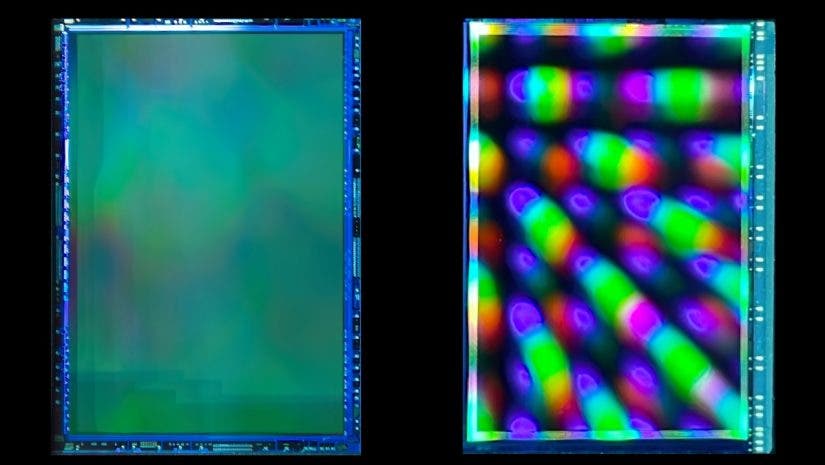
The oversimplified short answer to how CCD (charge-coupled device) and CMOS (complementary metal-oxide-semiconductor) differ is that CCDs capture light as electrical charges and then send them off-chip for processing. In contrast, CMOS sensors perform much of their processing on-chip rather than requiring extra off-chip processing. CCD was more about precision, while CMOS is about saving power and time.
The end result is that CCD sensors often have fabulous micro-noise at base ISOs but are slower, tend to have less dynamic range, and use a lot more power than CMOS sensors. It’s the off-chip processing, in conjunction with CCD, that adds much of the nostalgic aesthetic to digicam-style photos.
In-Camera Image Processing
RAW wasn’t even offered on most digicams as Y2K approached; it was all JPEG and mostly intended for in-camera automatic edits. Even some early DSLRs didn’t support RAW shooting and focused on JPEG, with the Nikon D1 being the first mainstream DSLR to offer RAW. Today, most cameras still allow setting JPEG processing preferences in-camera; the controls are just buried in the extensive menu systems.
CFA (Color Filter Array)
It’s the color filter array (CFA) that’s largely responsible for the punchy skin tones and rich colors straight out of the camera with older cameras. Sensors are essentially colorblind, so filters are sandwiched on top of the sensor to record color.
The early filters, all originally Bayer arrays, had thicker dye layers than today’s versions, resulting in fairly selective colors. Those thicker dye layers also absorbed more light, contributing to noise banding at higher ISOs due to readout errors.
Lenses
Your lens is the first line of image quality and feel. Many old school photographers have no attachment to camera bodies but will fight you for their lenses. Hasselblad, Leica, and Zeiss all have incredible lens legacies.
For pocket cameras without interchangeable lenses, every body and every manufacturer will have their own quirks. For DSLRs, look for pre-90s film-era lenses that are compatible with digital bodies to achieve a quick aesthetic change. Lens manufacturers like Sigma are also releasing revival lenses designed to capture a film or early digicam look.
Popular CCD Cameras (and What to Look For)

What to look for when shopping for a CCD camera depends, in large part, on what part of the CCD revival you actually want. Is it the tactile experience of a simple pocket camera with images ready straight out of the camera? Do you want the power of a DSLR but still explore CCD quirks? Or are you hunting the color handling?
Like buying a used car, it’s time to do due diligence before buying a used camera. While some CCD cameras are still low-cost, others have higher demand (and prices) thanks to TikTok and YouTube hype (some deserved, some not).
When shopping for a CCD camera, look for:
- Body and lens condition
- Shutter count (if available)
- Battery type, if chargers are available, and if replacement batteries are available
- Storage media availability, and if you have a card reader for it
- Shutter type (such as leaf or electronic)
- Viewfinder type (such as rangefinder, optical, or digital screen)
- Pixel count and whether the resolution is enough for your needs
- Photos taken with the camera (or the same model at least)
Top 10 Vintage CCD Digicams
- Nikon D80: The best CCD DSLR. It’s a perpetual CCD DSLR favorite for rich mid-tone and natural skin tone color rendering.
- Nikon D70: The Best CCD DSLR value. Often overlooked as people hunt the D80, its predecessor still has a respectable 6.1MP for cameras of its age and is easier to find at a fraction of the price.
- Fujifilm FinePix S2 Pro: The best CCD camera for portraiture. Uses a “Super CCD” sensor with dual-pixel sensor technology, capturing a wider dynamic range than other CCD sensors for a closer film approximation.
- Olympus Stylus 1030 SW: The best CCD digicam for adventure and travel. Waterproof up to 33 feet, shockproof at 6.6 feet, and survives 14-degree Fahrenheit temps.
- Leica M8: The best compact CCD camera for vintage lenses. Leica’s first digital M-series rangefinder camera, this compact beauty gives you access to using the legendary Leica M-mount lenses.
- Samsung TL500 (EX1 outside of the U.S.): The best CCD digicam for low light. Featuring an f/1.8 Schneider-Kreuznach 24-72mm lens, this ultra-slim digicam shoots above its weight class and features RAW capability.
- Canon PowerShot SD400: The best CCD digicam for retro style. A favorite for its small size and classic image style, this model features Canon’s DIGIC II image engine for faster processing, and its body has quintessential Y2K styling.
- Canon PowerShot SD900 Digital Elph Camera: The best CCD digicam for style meets substance. Popular for its classic body styling, this digicam model included Canon’s Digic III processor (with face detection) and sported 10MP, twice the pixels as the SD400, making larger prints possible.
- Olympus XZ-1: The best digicam for tactile controls. In addition to a reasonably fast f/1.8–2.5 i.Zuiko lens and image shake reduction features, the tactile control ring around the lens steals the show by letting you adjust settings like ISO and aperture without fiddling with the back of the camera.
- Fujifilm FinePix F50fd: The best CCD digicam for video. An impressive (for its time) 12MP sensor, movie capability, and a generously sized 2.7-inch TFT LCD pair with Fujifilm’s Super CCD for better dynamic range in a slim, pocketable camera.
Should You Buy Into the CCD Trend?

Whether you should buy an older CCD camera really just depends on what you want. If you want CCD and old-style in-camera color processing, then by all means try CCD digicams or DSLRs. However, if you want the tactile feel of a digicam, you can focus on features and design in CCD or CMOS cameras.
Cameron Coward of Serial Hobbyism sums up the confusion between tactile experiences and differences in photo quality, saying:
“There are still people arguing today that Betamax was superior to VHS and should have won that particular format war. In the same vein, there are those who believe that CCD camera sensors had some magical quality that their CMOS competition couldn’t match. The truth is that few people can even see the difference; what most users actually want is the digicam experience, whether that be a CCD digicam or a CMOS digicam.”
| Your goal | Recommendation |
| A distinct, baked-in aesthetic | CCD cameras. |
| A film look | Consider getting started with film or film emulators for any camera in editing programs. |
| A tactile button and flash experience | CCD and CMOS cameras. |
| A pocket camera | CCD or CMOS compact point-and-shoot cameras. |
| Straight out of camera JPEGs | Adjust your processing settings in almost any modern camera to match the look you want. |
| An analog viewfinder | Look for optical viewfinders (OVF) in the specs for CCD or CMOS cameras. Note that many point-and-shoot digicams will be straight through the camera body or a back viewscreen instead of through the lens (TTL) viewfinders. |
| The nostalgic look without losing RAW or megapixels | Look into a vintage lens and adjust white balance and contrast in editing. |
| A step up from a smartphone | CCD or CMOS compact pocket cameras. |
| A fun travel camera | Check out what Omar Gonzalez has to say about the retro-inspired Fujifilm X-T30 III. |