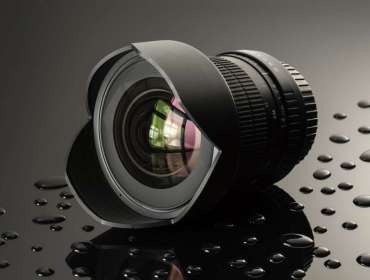

Whether you’re shooting video with a DSLR, mirrorless camera, or upgrading to a high-end video camcorder, true cine lenses provide a great way to enhance your video shooting experience and achieve pro-caliber results. Why opt for a cine lens that may cost thousands of dollars when your regular still-picture lenses have been doing a creditable job capturing video? Because true cine lenses offer much greater control and precision, provide a more seamless shooting experience, and can deliver even better overall video performance.

What makes a true cine lens different? Here’s a quick checklist.
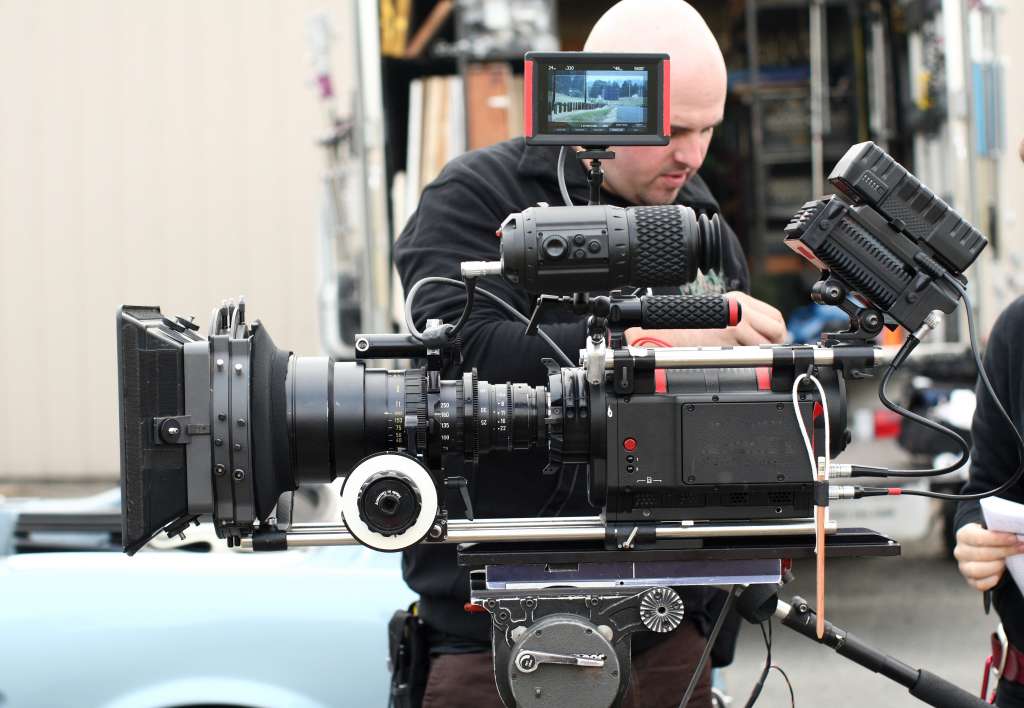
1. Cine lenses always have smooth operating (de-clicked) mechanical aperture rings, extremely smooth zoom controls, and ultra smooth, long-throw manual focusing controls. These controls almost always have external gears ( (teeth) that mate with integral or modular servo-control mechanisms for even smoother, more predictable operation in the field.
2. Cine lenses are typically parfocal, meaning they maintain focus at the set value as you zoom or change apertures, instead of “breathing,” (shifting focus when you alter other settings), which often happens with still-picture lenses.
3. Cine lenses feature very high build quality, rugged, weatherproof construction, and internal zoom and focus controls to maintain constant length and balance at all settings.
4. Cine lenses are usually precision calibrated in T-stops, ensuring uniform light transmission, their markings are totally reliable, their filter threads and front diameters are usually uniform, and they don’t have parts that protrude during focusing or zooming.
5. Cine lenses generally have matching imaging characteristics, such as color balance and contrast, within a given brand, they’re easy to service, and typically deliver optical performance of the highest caliber.
6. Cine lens manufacturers strive to keep the most common focal lengths at roughly the same weight, and with similarly configured controls to assure uniform balance and handling characteristics.
Pros & Cons: Are cine lenses for you?
The cost factor: Cine lenses incorporate many precision-engineered mechanical components, are made using the highest quality metallurgy and optical glass, and are meticulously calibrated individually by hand. That’s why they’re produced in much smaller quantities, and are typically more expensive than comparable “general purpose” lenses. There are some sub-$1000 exceptions included in the cine lens list below.
The performance factor: Camera and lens manufacturers know that more people than ever are shooting video with their DSLRs and mirrorless cameras. That’s why they’ve recently upgraded the video performance of their cameras and “regular” lenses with improved video options like 4K, Full HD 1080p at 60 fps, enhanced AF and tracking systems, nearly silent AF stepping motors, etc. However true cine lenses still deliver a decisive edge when it comes to seamless control, and it really shows when you screen your videos.
The bottom line: If you’re really serious about capturing pro-caliber video, or if you’re moving up from shooting with a DSLR rig to a full-fledged pro video system, take a close look at our cine lens list, all aimed at emerging videographers.