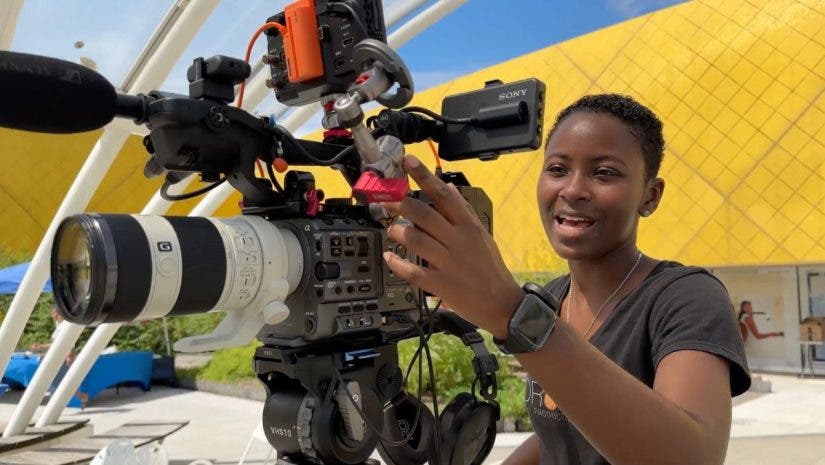
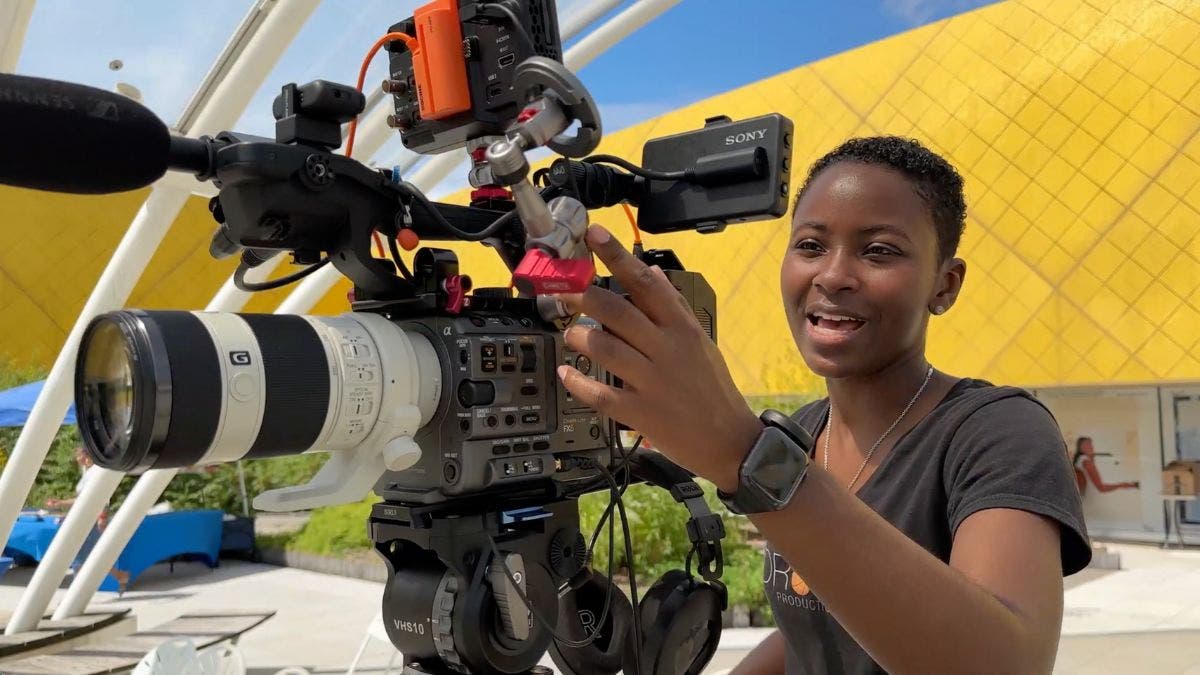
When you walk into a venue with your gear, you’re doing more than just capturing footage. You’re showing the client that you’re reliable, that you think ahead, and that you can handle a problem without making it their problem. That’s the real difference between creators who struggle for gigs and those who have clients calling them back. Let’s talk about building a two-camera setup that builds your reputation and your income.
Every event you shoot is a chance to prove you’re the right choice. Or, it’s a chance to get quietly replaced next time.
Power Redundancy Isn’t Sexy, But It Pays Your Bills
I learned this the hard way at a shoot in 2015. My Sony ENG A-cam lost power right as the headliner took the stage: someone took the power cord out of the wall…to charge their phone. I plugged it back in, but the 10-second scramble felt like an eternity.
The fastest way to lose a client is to miss critical moments. When your camera shuts down, that’s not just a technical problem; it’s a business one. Before you even think about lenses or lighting, solve power—external batteries, V-mounts, dummy adapters, USB-C backup options, whatever it takes. Because the client doesn’t care about your excuses, they care about whether you delivered.
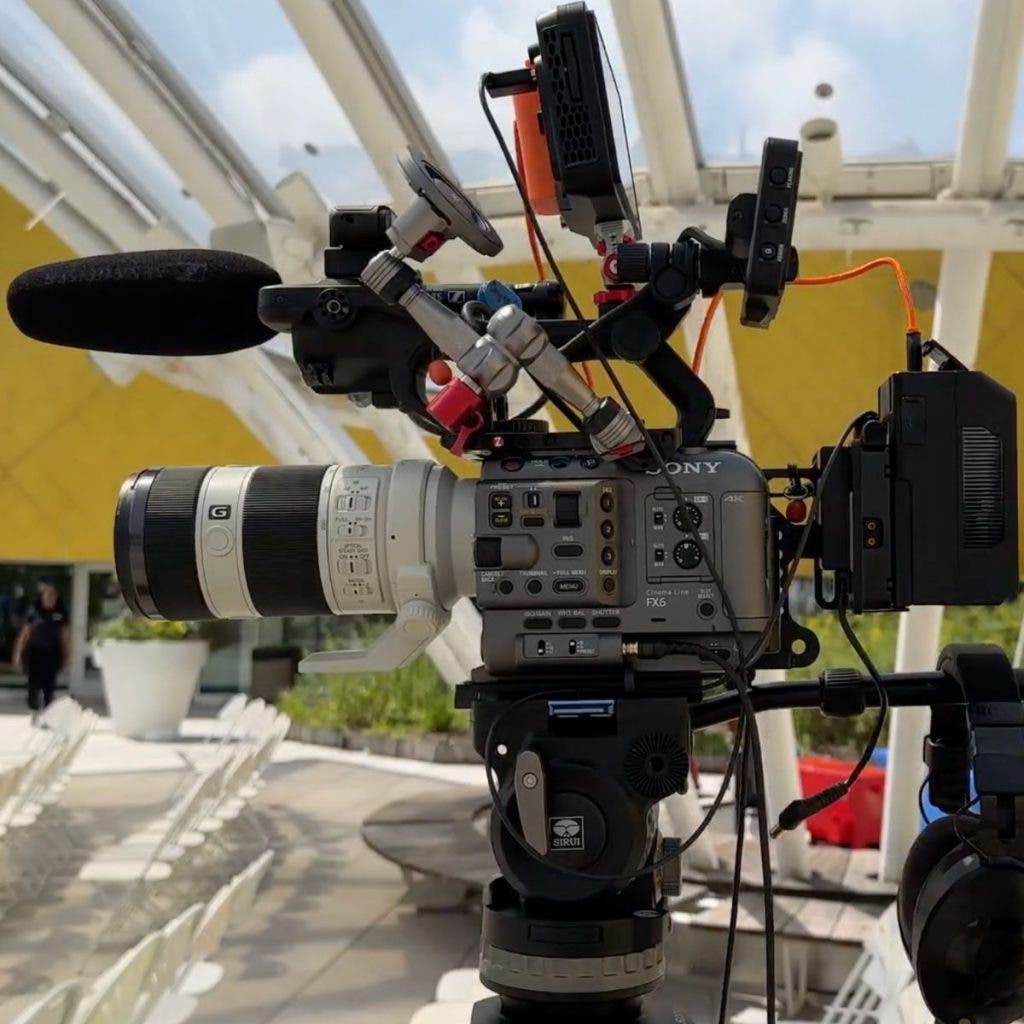
If you’re running a Sony FX6 or FX3, use D-tap power, USB-C charging, and have the internal batteries as a final backup. This isn’t paranoia: clients notice when you’re prepared for a full day without asking for an outlet. They remember the person who just solves problems.
Your A-Camera Is Your Safety Net
Your A-camera is the shot that keeps you employed. Think of it as the shot that absolutely cannot fail, not the one that’s supposed to be “creative.”
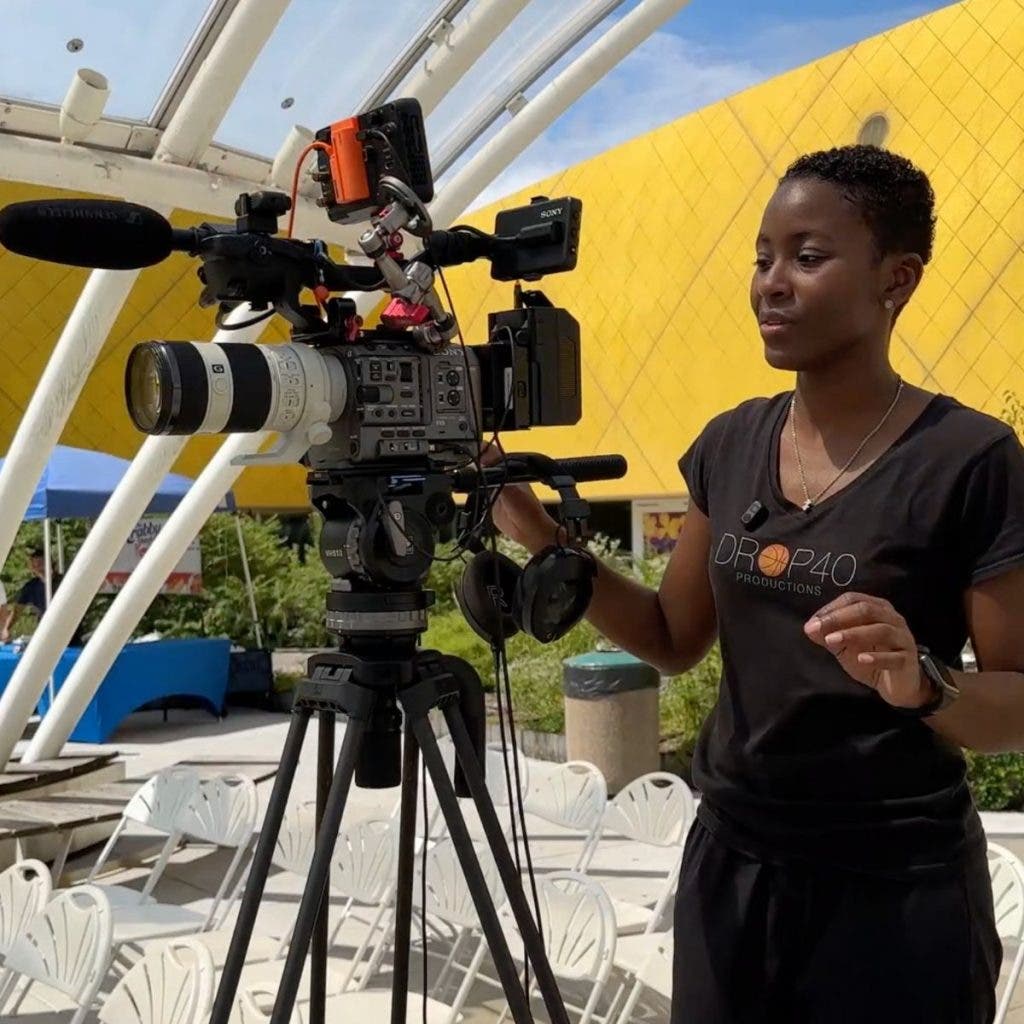
For event work: a Sony FX6 with a 70-200mm lens locked down on solid sticks is perfect. It gives you reach and handles low light beautifully. Mount a reliable monitor like an Atomos Ninja TX, power it separately, and keep your rig clean. A tight, professional-looking rig makes clients feel like they hired the right person, and that perception matters when they’re deciding who to recommend.
Your B-Camera Creates the Value
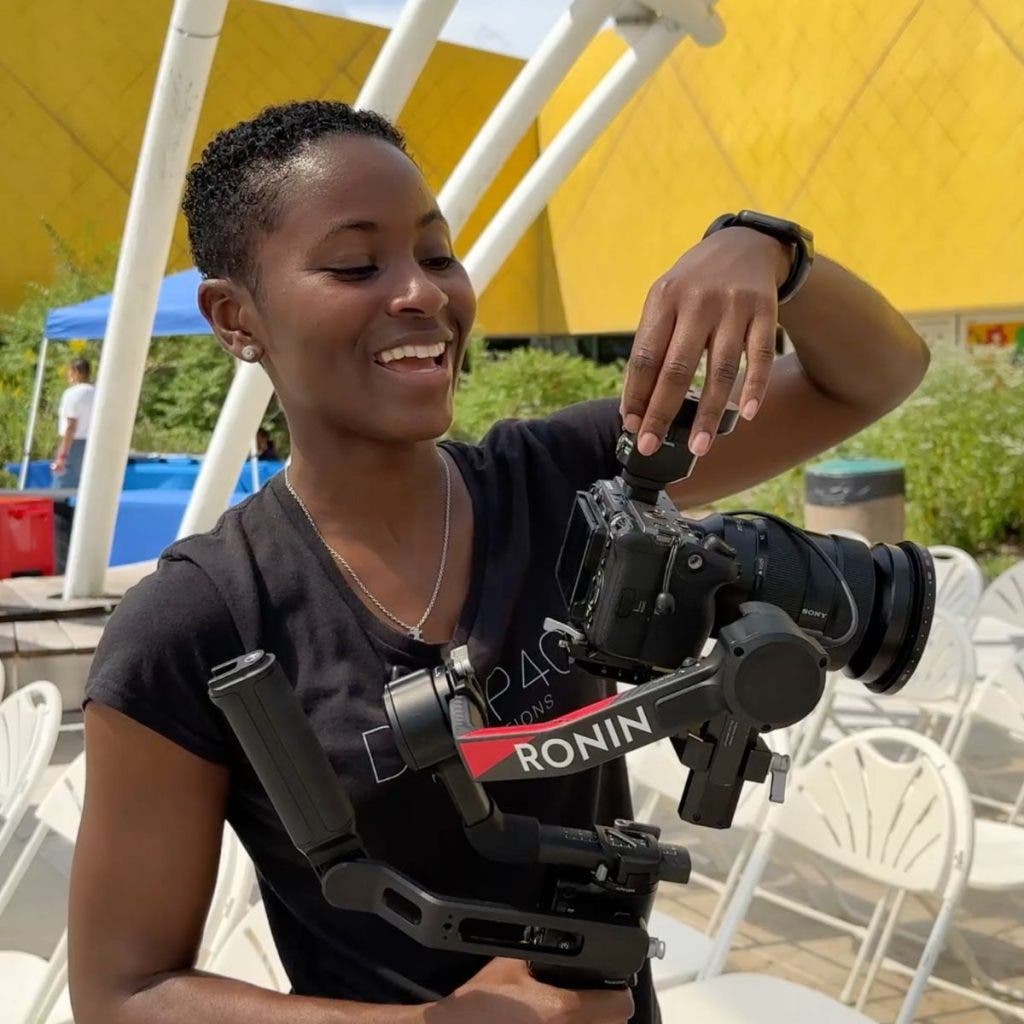
If the A-cam is your insurance policy, the B-cam is where you make the magic that gets you rehired and referred.
A Sony FX3 or FX30 on a gimbal like the DJI Ronin RS 4 Pro gives you that fluid, dynamic footage that makes clients say, “Wow, this looks like the stuff we see on TV.” That “wow” reaction is exactly what turns a one-time client into repeat business.
For more insight into the question of FX3 vs. FX2 vs. FX30 Check out THIS article.
This is also where a crop sensor like the FX30 can be really clutch: that magical crop factor, 1.5 for e-mount, means you get even greater reach with that 70-200mm or just good distance with a 50mm f/1.4 G Master lens for buttery smooth close-ups without being in someone’s face.
Pair it with a 24-70mm f/2.8. Add a variable ND so you can stay consistent as lighting changes without stopping to swap filters. Time is money on event shoots, and every minute you’re not filming is a moment you might miss. This camera is your differentiator. It’s what makes your work stand out from the person charging half your rate with a single locked-off camera.
Audio Redundancy Separates Pros from Amateurs
Clients might forgive slightly soft focus (I don’t). They might overlook imperfect composition. Bad audio? It’ll kill your reputation.
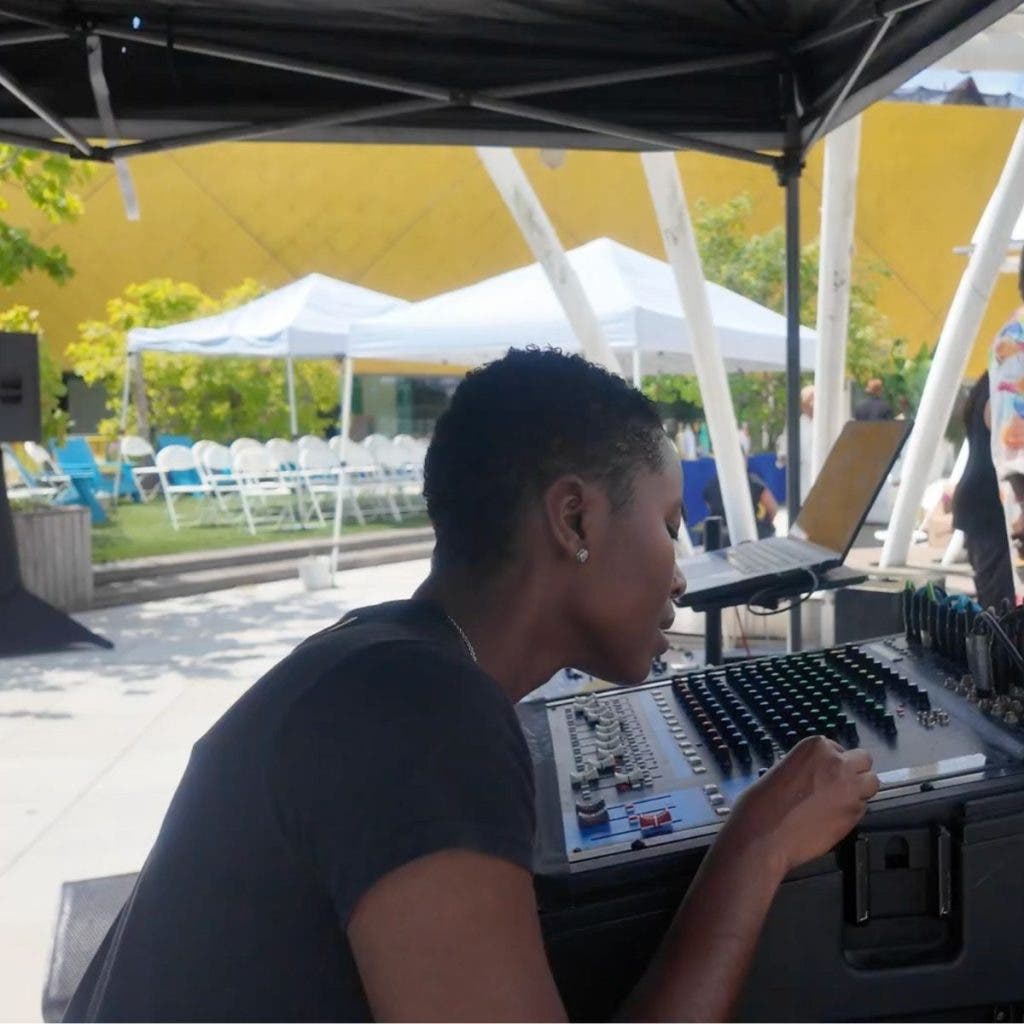
Depending on your venue, event band shoot, you’ll need at least three audio sources: a boom or shotgun mic capturing ambient sound, a direct feed from the sound board (hardlined with ¼” TRS/3.5mm adapted or wirelessly via something like the Hollyland Lark Max 2), and maybe a field recorder. Remember that you always have the internal camera mics as a last-ditch emergency backup.
Wireless recorders like the Lark Max 2 record internally while transmitting, so even if the wireless signal hiccups, you’ve got clean audio recorded at the source. For my shoots I run everything into my FX6: input 1 for boom and input 2 for the wireless feed.
Monitoring Means Control
An external monitor shows you exposure, focus, and waveforms without you having to squint at a tiny camera screen. It also gives clients a way to check in on what you’re capturing without crowding your workspace.
Always check your white balance manually before you start. If you’re shooting under mixed lighting, Auto WB will betray you. Dial it in and save yourself a headache in post. Less time fixing it later means more time available for other paid work.
A Few Tips and Tricks
Wireless comms: something like Hollyland intercoms, let your A-cam operator and roaming B-cam stay in sync even when music is blasting. You can call shots quietly and signal adjustments instantly.
Packing: don’t show up with five random boxes and a mess of loose cables. Pack one solid bag that fits both cameras, lenses, audio gear, and power. Bring the basics: gaff tape, Allen keys, microfiber cloths, a spare clamp, and lens cleaning kits. I’ve used simple arms with a magnetic phone holder to capture BTS clips that clients didn’t even ask for, but they absolutely loved them. Those little extras are what make clients talk about you to their friends.
For some insight into how the Adorama Content Team Travels to Shoots, check out THIS article.
Redundancy, redundancy, redundancy: when you build redundancy into your setup, power, audio, cards, storage, you stop panicking and start adapting. Clients remember that calm confidence, and they’re willing to pay a premium for it.
Finally – Be the Person that Gets Rehired
Your gear is just tools. What makes you money is how people feel when they work with you.
The way you move through a space, talk to people, and stay calm when things go sideways, all of that shows up in your footage and in whether clients call you back. Make eye contact before you point the lens. Smile. Move with rhythm. When you bring good energy, people relax, you get better footage, and better footage means higher rates.
Being easy to work with is one of the most important business skills you can have.
You got this. I’ll see you on set.