FM Receivers
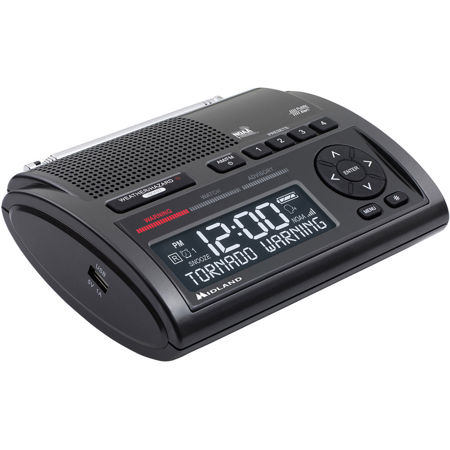
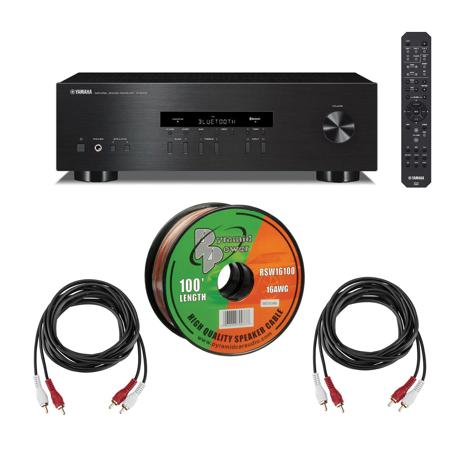
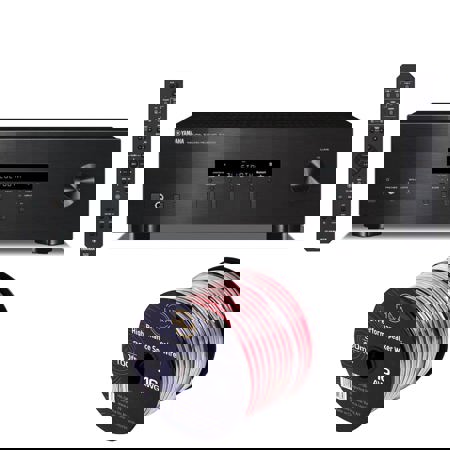
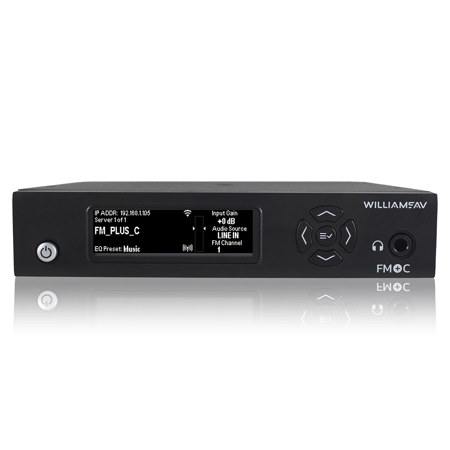
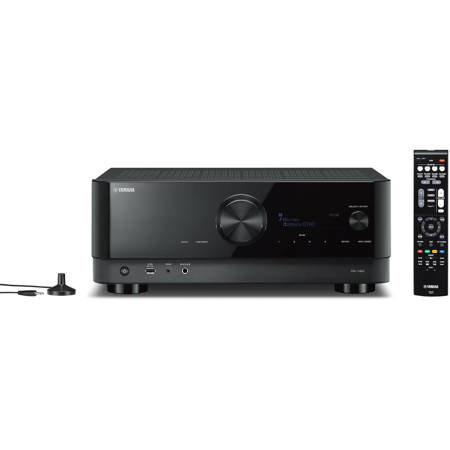
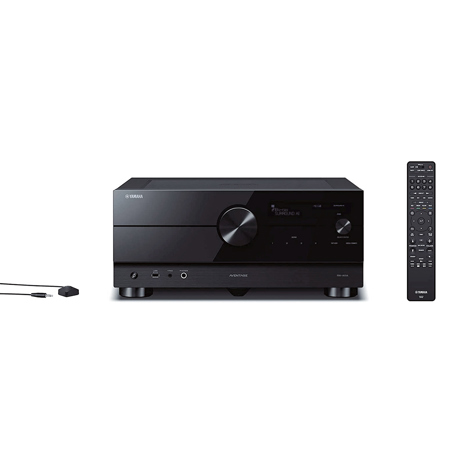
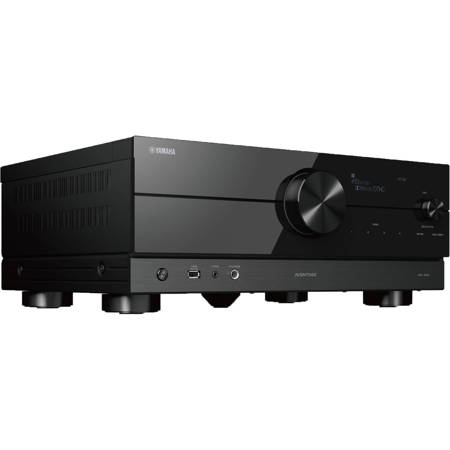
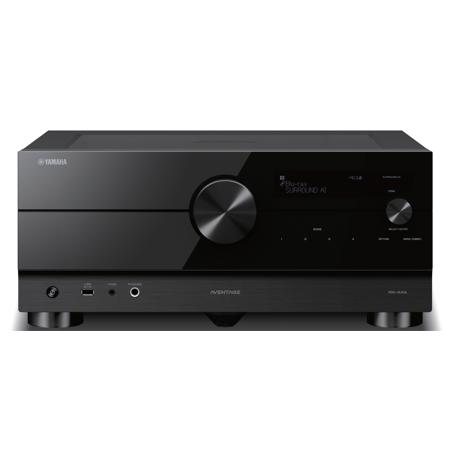
FM receivers have long been a staple in the world of audio, bridging the gap between the airwaves and our listening spaces with clarity and reliability. Whether you’re setting up a home entertainment system or looking for a portable companion for on-the-go listening, understanding the nuances of FM receivers can make all the difference in your audio experience. These devices are engineered to capture FM radio signals—typically within the 88-108 MHz range—and convert them into rich, audible sound, bringing music, news, and talk shows to life through your speakers or headphones. The core components of an FM receiver—antenna, tuner, amplifier, demodulator, and output—work in harmony to ensure that every broadcast is delivered with minimal interference and maximum fidelity. For those who crave crisp, immersive sound in their living rooms, stereo and AV receivers offer robust connectivity, allowing you to link everything from turntables and televisions to streaming devices, often with the added convenience of digital inputs and wireless features like Wi-Fi and Bluetooth. The right receiver can transform your space, turning quiet evenings into vibrant listening sessions or lively gatherings, especially as winter lingers and indoor activities take center stage.
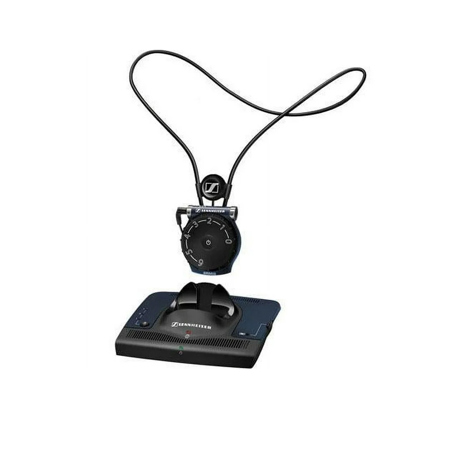
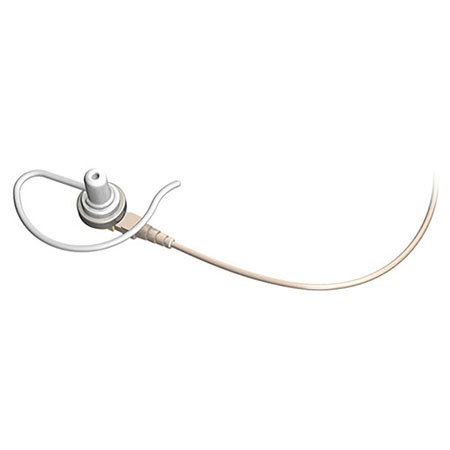
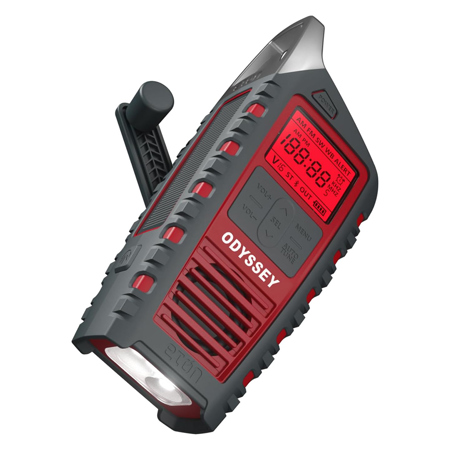
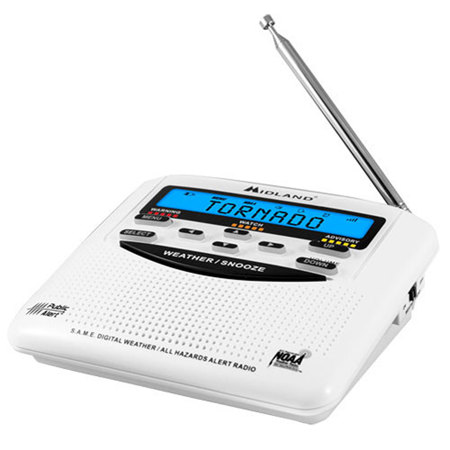
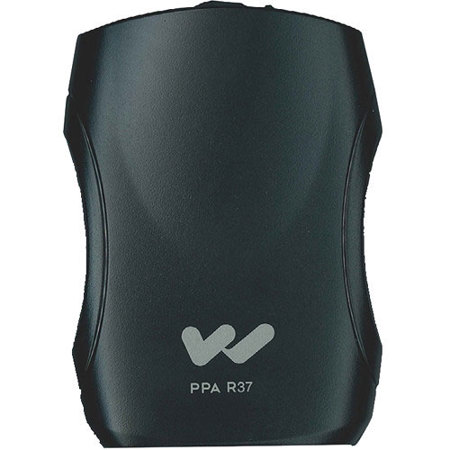
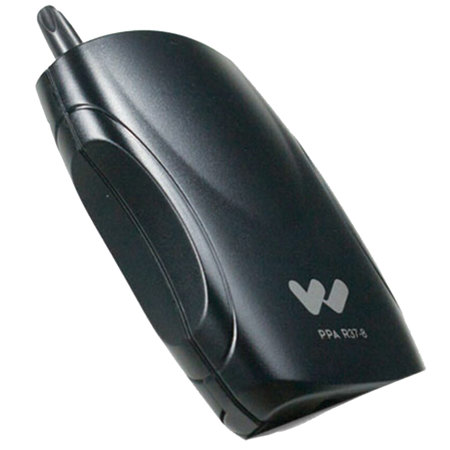
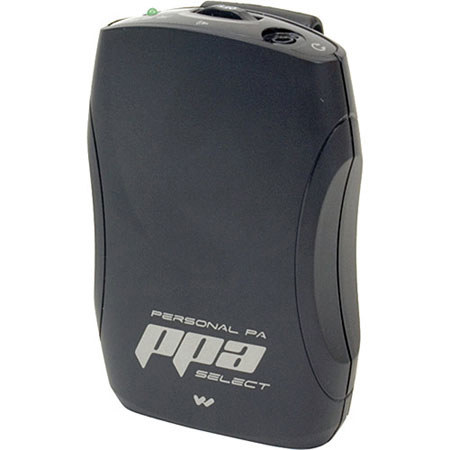
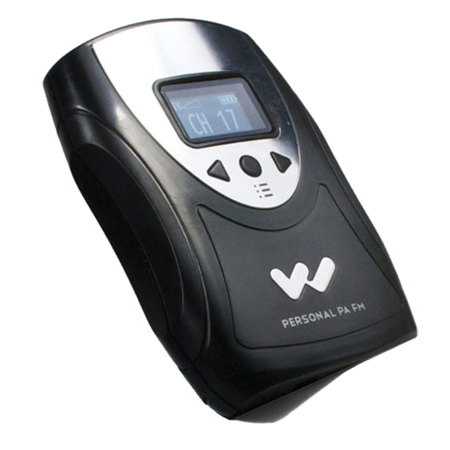
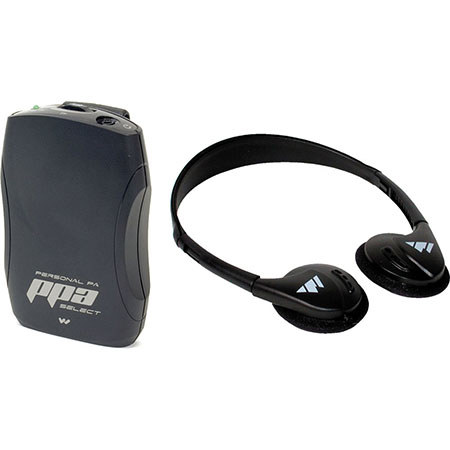
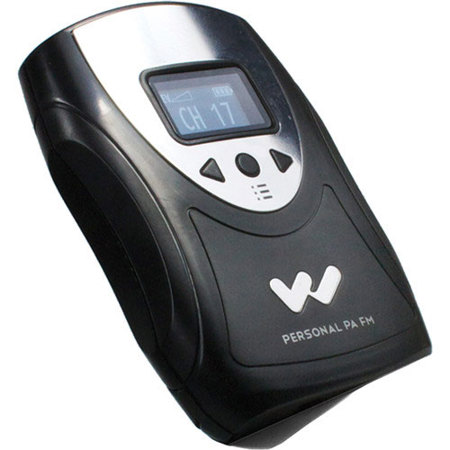
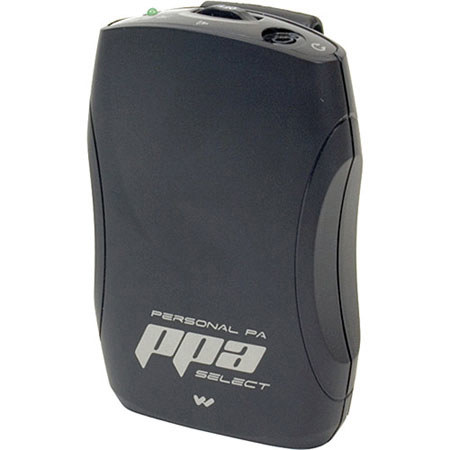
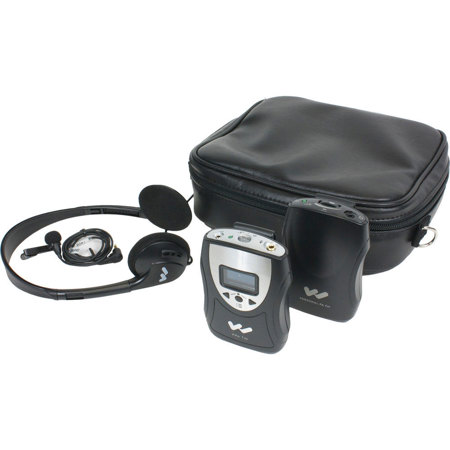
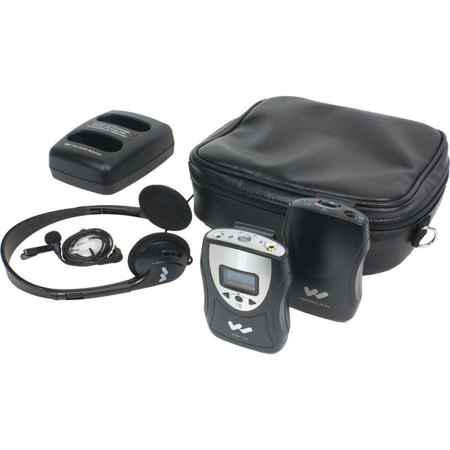
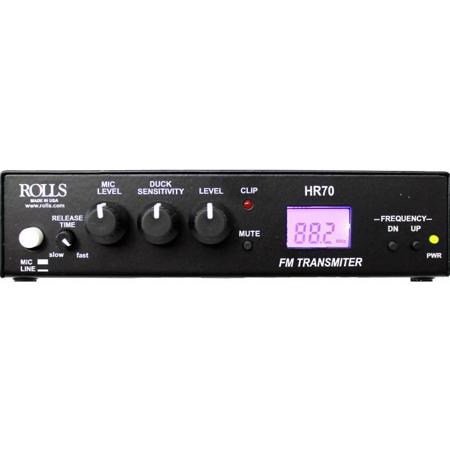
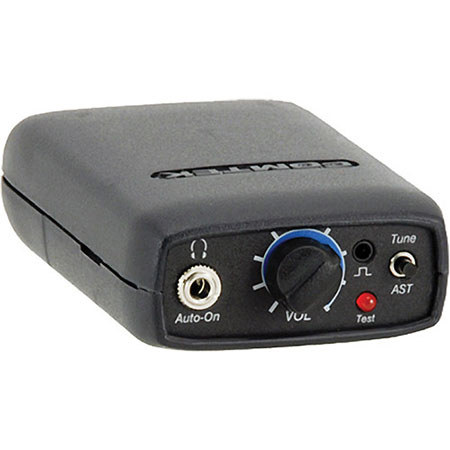
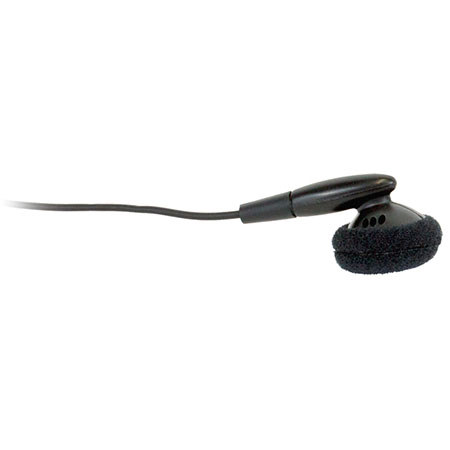
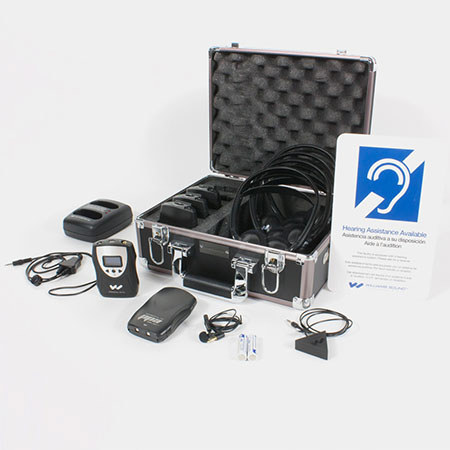
Portability is another key advantage of FM receivers, making them an ideal gift for radio enthusiasts, commuters, and anyone who enjoys music or news on the move. Compact FM radios, some equipped with additional AM or weather bands, fit easily into backpacks or glove compartments, ready to provide entertainment or vital updates during daily routines or outdoor adventures. For those attending events in theaters, houses of worship, or lecture halls, assistive listening FM receivers offer a lifeline, transmitting crystal-clear audio directly to headphones or neck loops—an invaluable resource for individuals with hearing challenges. When choosing an FM receiver, it’s wise to consider sensitivity ratings, as a lower microvolt (µV) value means the device is better at picking up weaker signals, ensuring reliable reception in both urban and rural settings. Build quality and antenna design also play crucial roles; a well-placed outdoor or high-mounted antenna can dramatically improve signal strength and clarity, especially in areas where reception may be challenging. Inputs and outputs, such as HDMI, USB, RCA, speaker terminals, and headphone jacks, provide flexibility for integrating your receiver into existing audio setups or expanding functionality as your needs evolve.
With the cold February air encouraging more time spent indoors, there’s never been a better season to explore the world of FM receivers and the versatility they bring to audio enjoyment. Whether you’re curating a personal listening nook, outfitting a professional venue, or searching for a thoughtful present for a loved one, FM receivers deliver a timeless connection to the world of broadcast radio. Their adaptability makes them suitable for audiophiles, hobbyists, and professionals alike, supporting everything from casual listening to specialized applications. If you’re interested in exploring a broader range of audio solutions, including other types of receivers designed for home, studio, or commercial use, you can discover more options on our dedicated Electronics Receivers page. As you browse, consider how the right FM receiver can enrich your daily routine, foster new interests, or simply bring the warmth of live radio into your home during the winter months.
Portability is another key advantage of FM receivers, making them an ideal gift for radio enthusiasts, commuters, and anyone who enjoys music or news on the move. Compact FM radios, some equipped with additional AM or weather bands, fit easily into backpacks or glove compartments, ready to provide entertainment or vital updates during daily routines or outdoor adventures. For those attending events in theaters, houses of worship, or lecture halls, assistive listening FM receivers offer a lifeline, transmitting crystal-clear audio directly to headphones or neck loops—an invaluable resource for individuals with hearing challenges. When choosing an FM receiver, it’s wise to consider sensitivity ratings, as a lower microvolt (µV) value means the device is better at picking up weaker signals, ensuring reliable reception in both urban and rural settings. Build quality and antenna design also play crucial roles; a well-placed outdoor or high-mounted antenna can dramatically improve signal strength and clarity, especially in areas where reception may be challenging. Inputs and outputs, such as HDMI, USB, RCA, speaker terminals, and headphone jacks, provide flexibility for integrating your receiver into existing audio setups or expanding functionality as your needs evolve.
With the cold February air encouraging more time spent indoors, there’s never been a better season to explore the world of FM receivers and the versatility they bring to audio enjoyment. Whether you’re curating a personal listening nook, outfitting a professional venue, or searching for a thoughtful present for a loved one, FM receivers deliver a timeless connection to the world of broadcast radio. Their adaptability makes them suitable for audiophiles, hobbyists, and professionals alike, supporting everything from casual listening to specialized applications. If you’re interested in exploring a broader range of audio solutions, including other types of receivers designed for home, studio, or commercial use, you can discover more options on our dedicated Electronics Receivers page. As you browse, consider how the right FM receiver can enrich your daily routine, foster new interests, or simply bring the warmth of live radio into your home during the winter months.