Stacking Filters
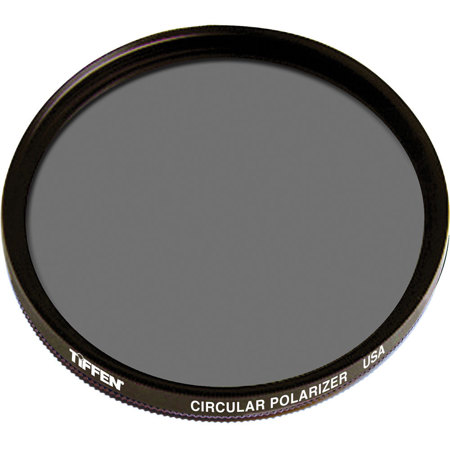
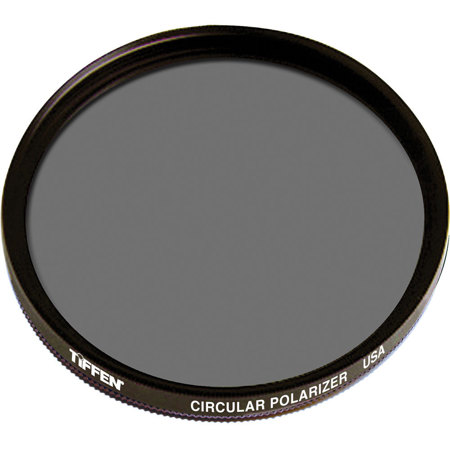
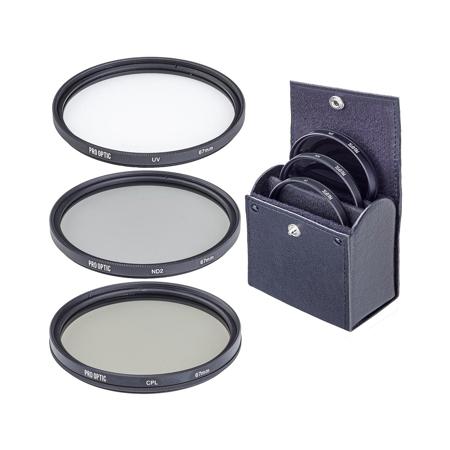
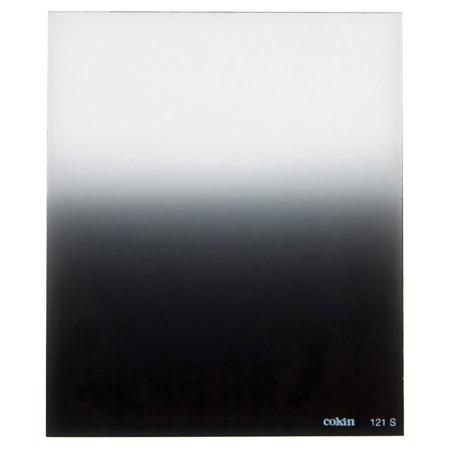
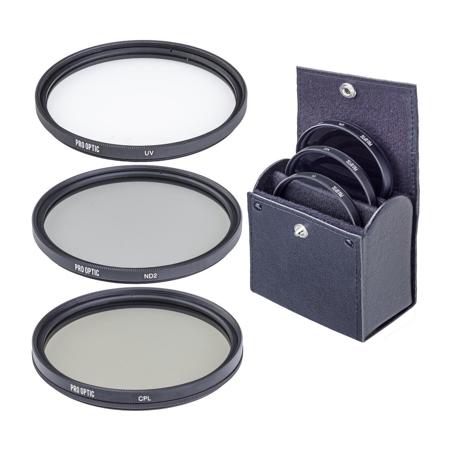
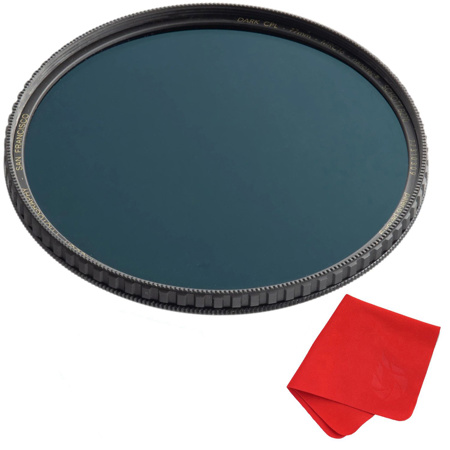
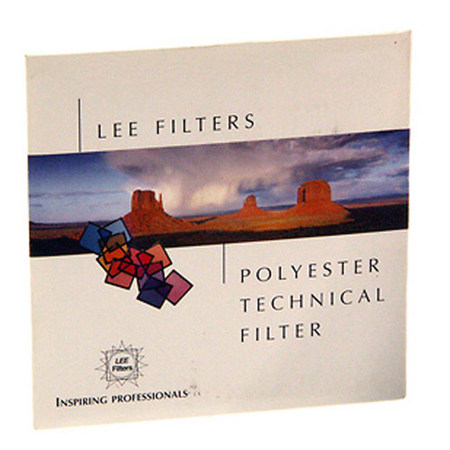
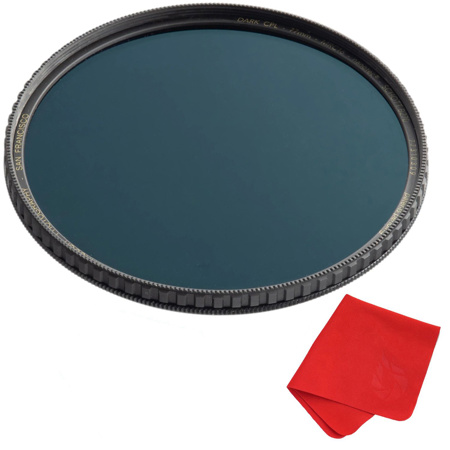
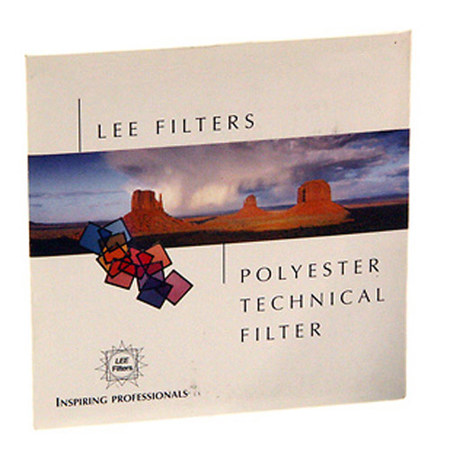
Stacking filters is a time-honored technique among photographers and filmmakers seeking to expand their creative toolkit and gain precise control over their images. Whether you’re a landscape enthusiast capturing the lush greens and vibrant skies of early summer or a filmmaker chasing the golden light of late afternoons, stacking filters offers a flexible approach to managing light, color, and special effects right at the lens. By combining different types of filters—such as neutral density, polarizers, diffusion, and graduated filters—you can fine-tune your exposure, reduce unwanted reflections, deepen contrast, and introduce artistic effects that would be difficult or impossible to replicate in post-processing. This method is especially valuable during the longer days and ever-changing conditions of the warmer months, when harsh sunlight, reflective surfaces, or unpredictable weather can challenge even the most seasoned visual storytellers. For those new to filter stacking, it’s a practice that invites experimentation: you might start with a simple UV or ND filter for protection and exposure control, then add a polarizer to cut glare off water or foliage, or perhaps a mist filter to soften highlights for a dreamy, cinematic look. The result is a versatile setup that adapts to the needs of each shoot, whether you’re hiking to a waterfall, capturing cityscapes at dusk, or filming outdoor events.
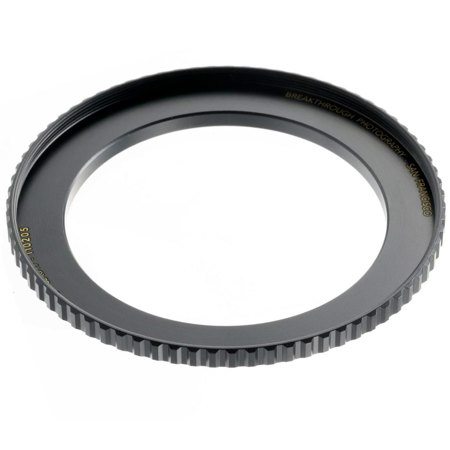
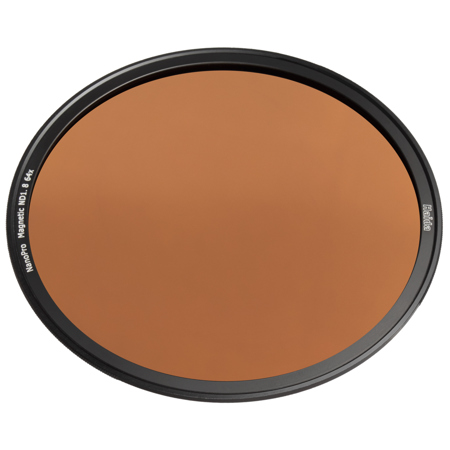
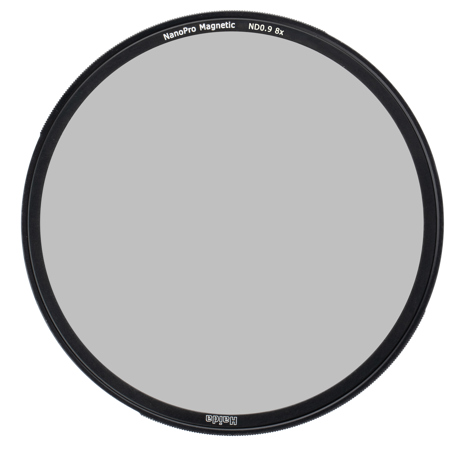
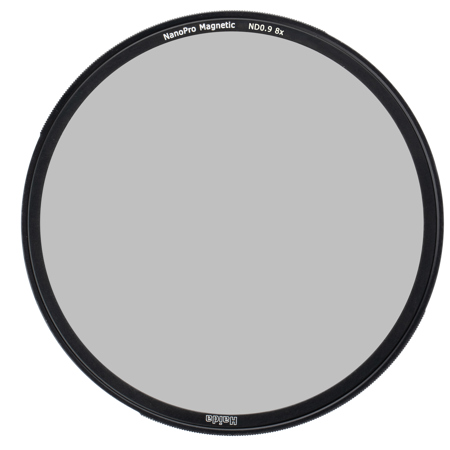
When selecting filters for stacking, there are a few practical considerations to keep in mind to maintain image quality and avoid common pitfalls. The order in which filters are stacked can make a noticeable difference: typically, a neutral density or UV filter sits closest to the lens, followed by creative or diffusion filters, with polarizers and graduated NDs on the outside for easy rotation and adjustment. Too many layers of glass can lead to vignetting, ghosting, or color shifts—especially on wide-angle lenses—so it’s wise to limit your stack to two or three filters. If you’re using lenses with smaller diameters, consider using larger filters with Step Up Filters to minimize vignetting and maximize flexibility across your gear. Magnetic filter systems have also gained popularity for their convenience, allowing you to swap and stack filters quickly without the hassle of screw threads, which is a real advantage when the light changes rapidly or you’re working against the clock. For those gifting to a photographer or filmmaker, a thoughtfully chosen set of stackable filters can be a welcome addition to their kit, offering new creative options and the ability to tackle challenging lighting situations with confidence. Whether you’re capturing the vivid hues of autumn foliage, the shimmer of a mountain lake, or the dynamic action of outdoor sports, stacking filters empowers you to shape your vision with precision and artistry, season after season.
When selecting filters for stacking, there are a few practical considerations to keep in mind to maintain image quality and avoid common pitfalls. The order in which filters are stacked can make a noticeable difference: typically, a neutral density or UV filter sits closest to the lens, followed by creative or diffusion filters, with polarizers and graduated NDs on the outside for easy rotation and adjustment. Too many layers of glass can lead to vignetting, ghosting, or color shifts—especially on wide-angle lenses—so it’s wise to limit your stack to two or three filters. If you’re using lenses with smaller diameters, consider using larger filters with Step Up Filters to minimize vignetting and maximize flexibility across your gear. Magnetic filter systems have also gained popularity for their convenience, allowing you to swap and stack filters quickly without the hassle of screw threads, which is a real advantage when the light changes rapidly or you’re working against the clock. For those gifting to a photographer or filmmaker, a thoughtfully chosen set of stackable filters can be a welcome addition to their kit, offering new creative options and the ability to tackle challenging lighting situations with confidence. Whether you’re capturing the vivid hues of autumn foliage, the shimmer of a mountain lake, or the dynamic action of outdoor sports, stacking filters empowers you to shape your vision with precision and artistry, season after season.