Visual Effects Software
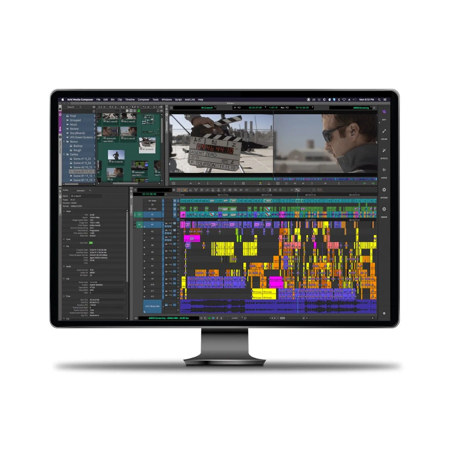
Visual effects software has become an essential tool for filmmakers, video editors, animators, and digital artists seeking to bring their creative visions to life. Whether you’re working on blockbuster films, indie projects, YouTube content, or immersive game environments, the right visual effects production software can be the difference between a good project and a truly memorable one. These powerful applications are designed to handle everything from 3D modeling and animation to compositing, motion graphics, and complex simulations. As the winter months invite more indoor creative pursuits, many artists find themselves diving deep into their VFX projects, exploring new techniques or refining their skills with the latest software. For those who are passionate about storytelling through visuals, investing in robust VFX tools is a natural progression—one that opens doors to endless experimentation with light, color, and movement.
When considering which visual effects software to add to your toolkit, it’s important to assess your workflow needs, technical requirements, and the types of projects you plan to tackle. Beginners might look for intuitive interfaces and comprehensive tutorials, while seasoned professionals often prioritize advanced features like node-based compositing, real-time rendering, and high-fidelity simulations. Many artists choose to combine several programs, using one for 3D modeling, another for compositing, and yet another for specialized effects. For those working in collaborative environments, compatibility and integration between different software become crucial, ensuring that assets move seamlessly from one stage of production to the next. As the demand for virtual production and real-time graphics continues to grow, software that supports these capabilities is increasingly valuable for studios and freelancers alike. If you’re gifting visual effects software, consider the recipient’s creative interests—whether they’re aspiring animators, film students, or seasoned VFX supervisors, the right software can be both a practical asset and an inspiring invitation to create.
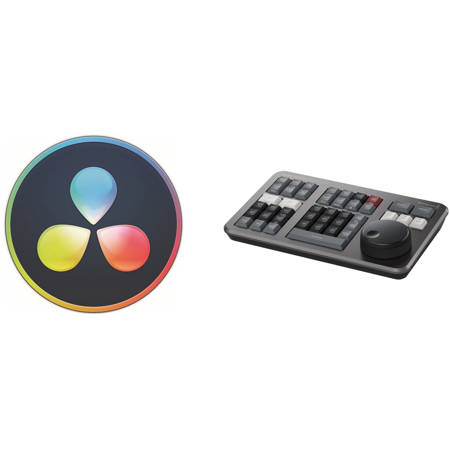
The process of selecting visual effects production software is as much about envisioning future possibilities as it is about meeting immediate needs. Think about the kind of projects you want to pursue in the coming year: perhaps you’re aiming to master digital sculpting, experiment with procedural effects like fire and water, or streamline your color grading workflow. Many creators look for flexible licensing options, cross-platform compatibility, and access to a supportive user community. For professionals and enthusiasts alike, tools that integrate with popular editing suites or offer features like GPU acceleration can save countless hours in post-production. If you’re considering a license or upgrade, take note of options like the Adorama DaVinci Resolve Studio activation card price, which can offer a cost-effective way to unlock premium features. And remember, visual effects aren’t limited to software alone—lighting plays a pivotal role in achieving cinematic results. Explore resources such as Light Effects For Video to complement your digital toolkit with the right hardware enhancements. As you plan your creative projects this season, investing in reliable, feature-rich visual effects software ensures your ideas can be realized with clarity, precision, and artistry.
When considering which visual effects software to add to your toolkit, it’s important to assess your workflow needs, technical requirements, and the types of projects you plan to tackle. Beginners might look for intuitive interfaces and comprehensive tutorials, while seasoned professionals often prioritize advanced features like node-based compositing, real-time rendering, and high-fidelity simulations. Many artists choose to combine several programs, using one for 3D modeling, another for compositing, and yet another for specialized effects. For those working in collaborative environments, compatibility and integration between different software become crucial, ensuring that assets move seamlessly from one stage of production to the next. As the demand for virtual production and real-time graphics continues to grow, software that supports these capabilities is increasingly valuable for studios and freelancers alike. If you’re gifting visual effects software, consider the recipient’s creative interests—whether they’re aspiring animators, film students, or seasoned VFX supervisors, the right software can be both a practical asset and an inspiring invitation to create.
The process of selecting visual effects production software is as much about envisioning future possibilities as it is about meeting immediate needs. Think about the kind of projects you want to pursue in the coming year: perhaps you’re aiming to master digital sculpting, experiment with procedural effects like fire and water, or streamline your color grading workflow. Many creators look for flexible licensing options, cross-platform compatibility, and access to a supportive user community. For professionals and enthusiasts alike, tools that integrate with popular editing suites or offer features like GPU acceleration can save countless hours in post-production. If you’re considering a license or upgrade, take note of options like the Adorama DaVinci Resolve Studio activation card price, which can offer a cost-effective way to unlock premium features. And remember, visual effects aren’t limited to software alone—lighting plays a pivotal role in achieving cinematic results. Explore resources such as Light Effects For Video to complement your digital toolkit with the right hardware enhancements. As you plan your creative projects this season, investing in reliable, feature-rich visual effects software ensures your ideas can be realized with clarity, precision, and artistry.