

Wireless Microphone Systems For Schools
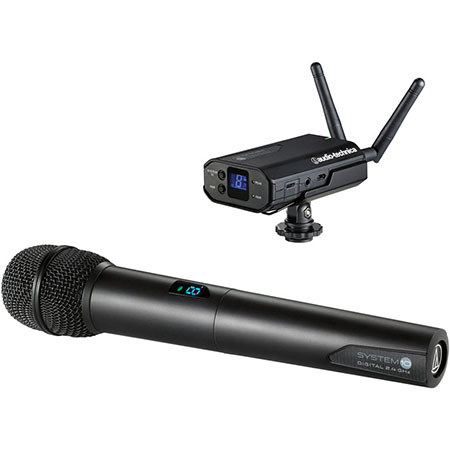
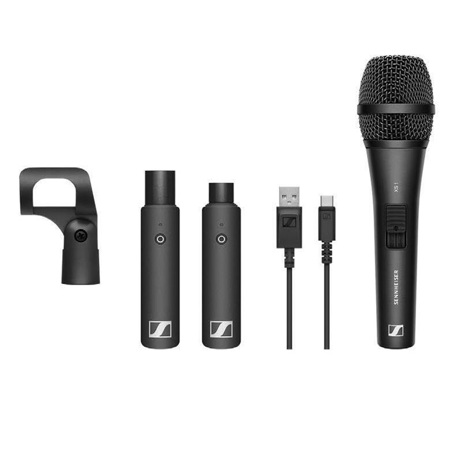
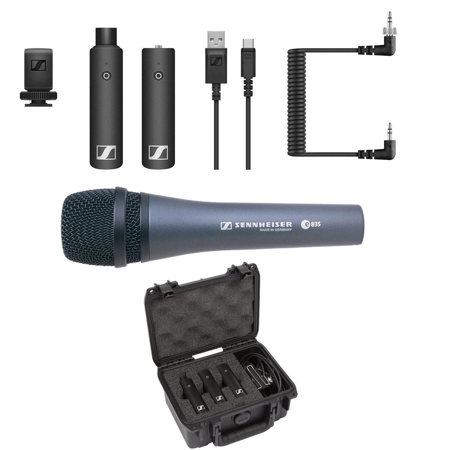
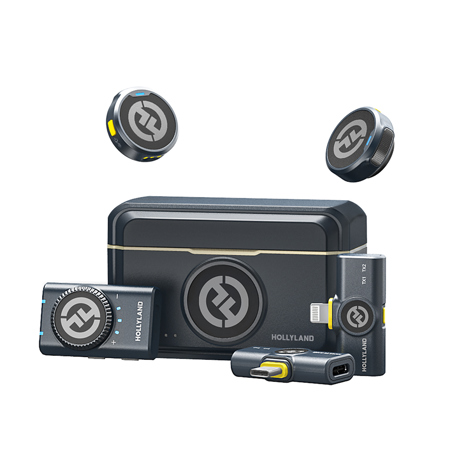
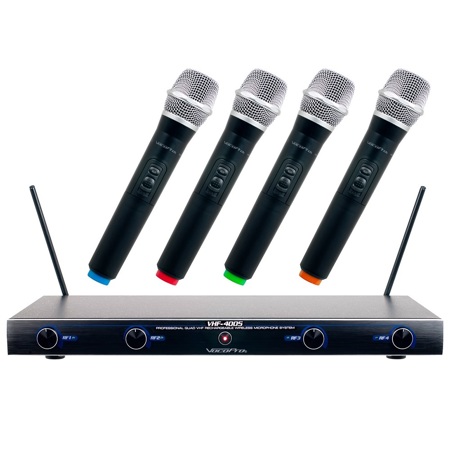
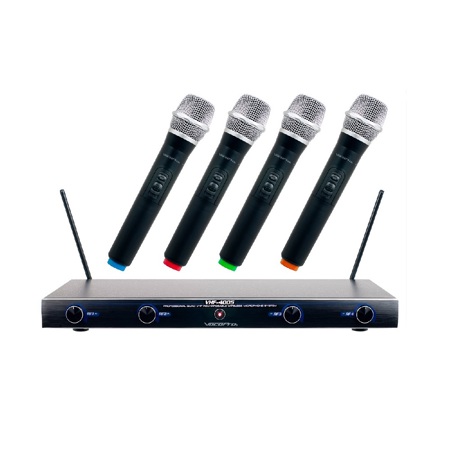
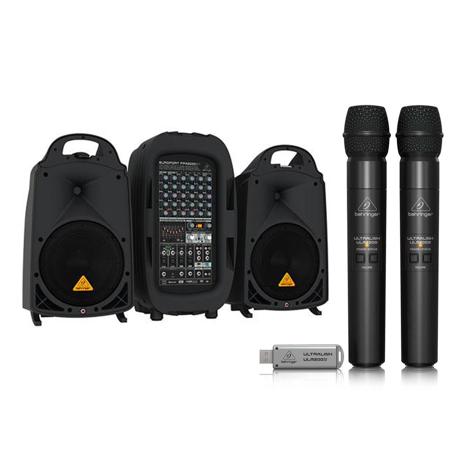
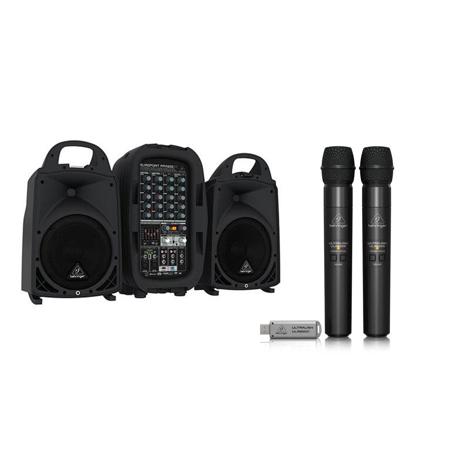
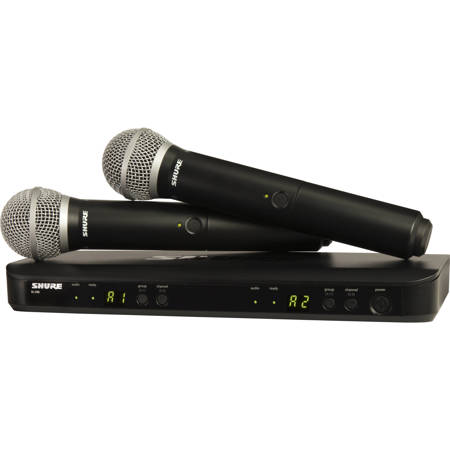
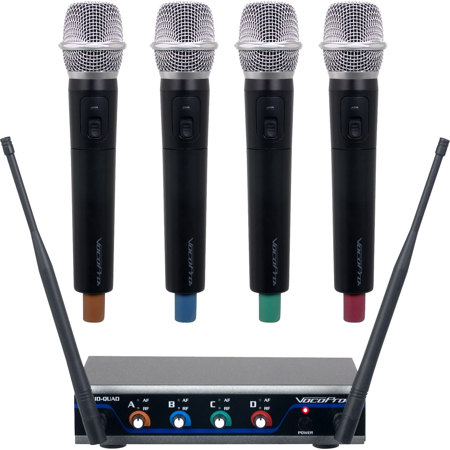
Wireless microphone systems for schools help teachers, presenters, performers, coaches, and student speakers communicate clearly without being tied to a podium or tangled in long cables. They can support everyday instruction in a large classroom, announcements in a cafeteria, assemblies in a gymnasium, performances in an auditorium, and ceremonies or athletic events held outdoors. The right system depends first on the size and layout of the space. A compact portable speaker with a built-in receiver may be practical for a teacher moving between rooms or leading an activity in a multipurpose area, while a larger auditorium may call for a dedicated receiver, amplified sound system, and greater operating range. Consider how far the presenter will move from the receiver, whether walls or other obstructions separate the microphone from the sound equipment, and how many people need to speak during one event. A system designed for a single presenter may be sufficient for instruction, while assemblies, concerts, panel discussions, and school board meetings can benefit from multiple channels and the ability to use more than one microphone at a time. Browsing Wireless Microphones can also help staff compare microphone formats and related audio equipment before choosing a setup for a particular room.
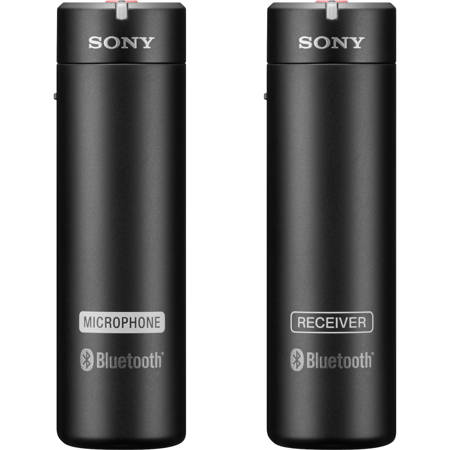
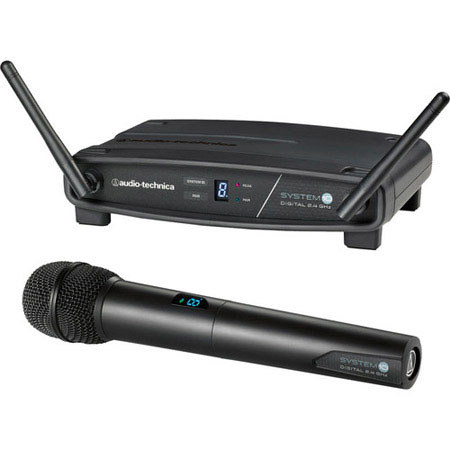
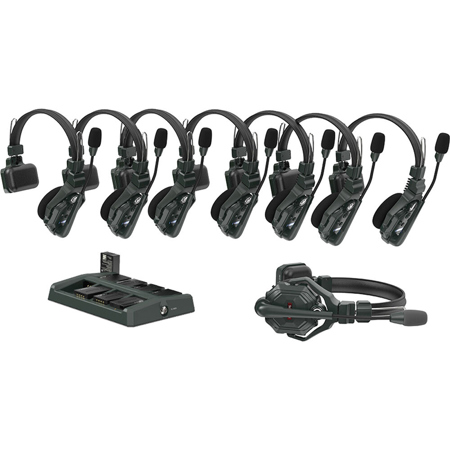
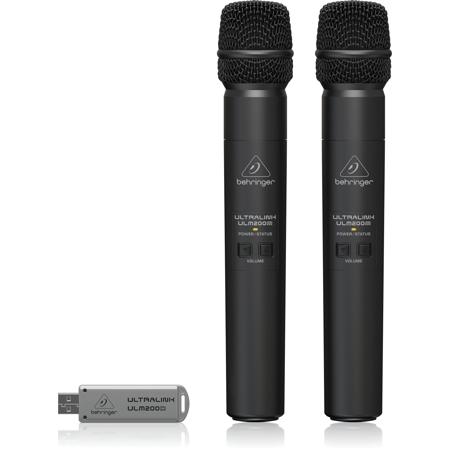
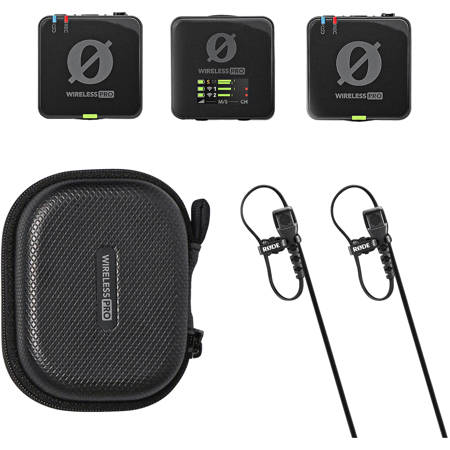
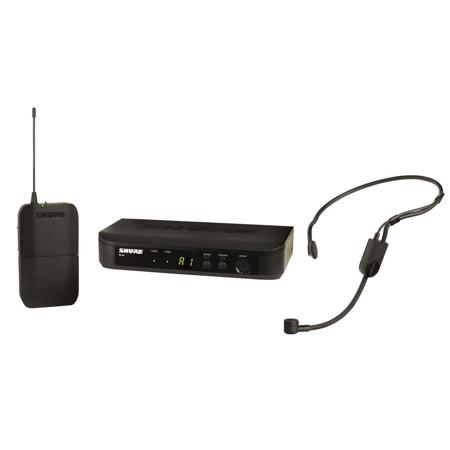
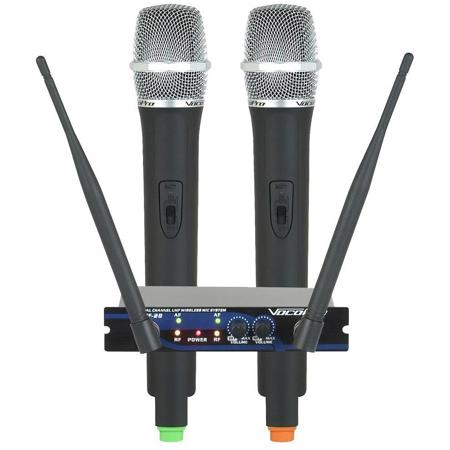
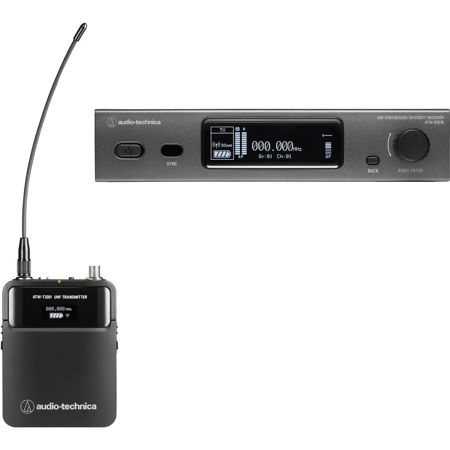
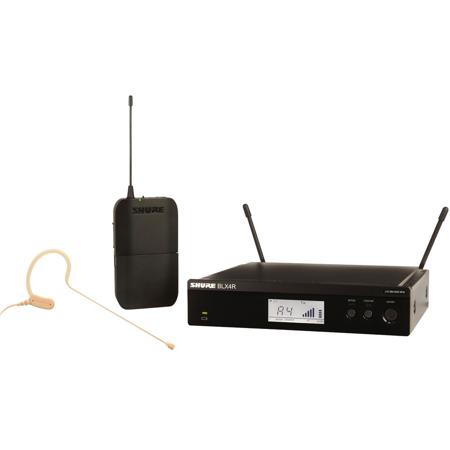
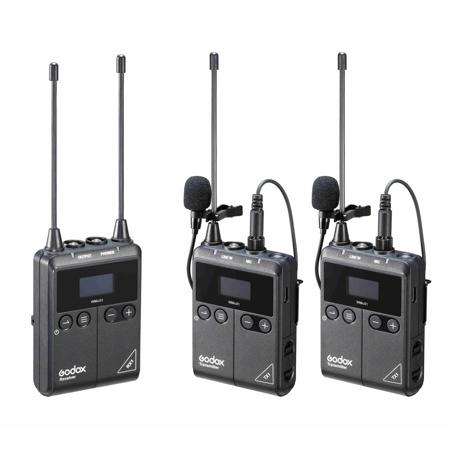
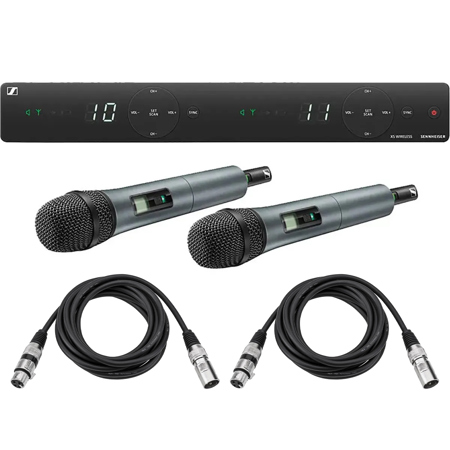
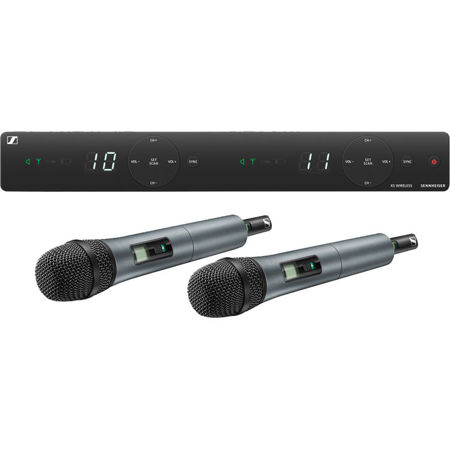
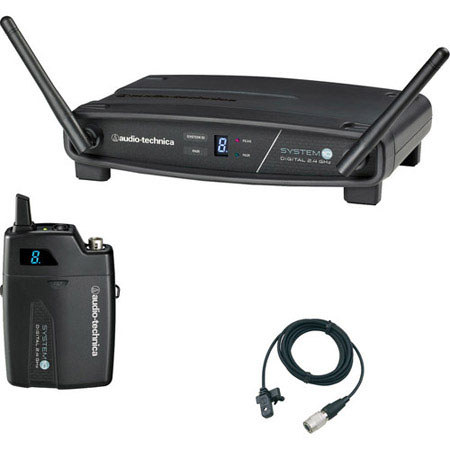
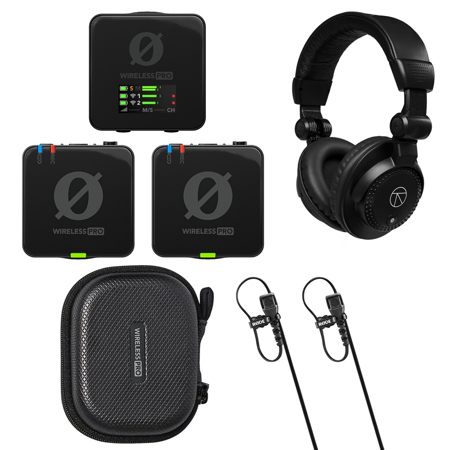
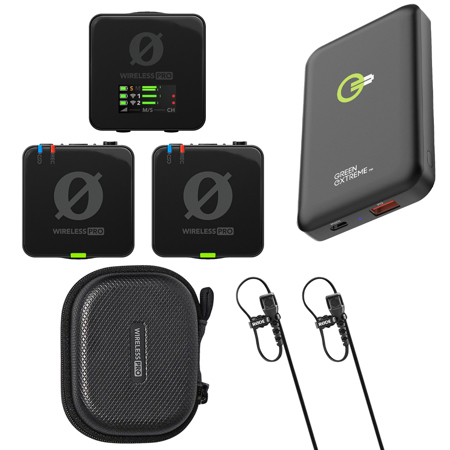
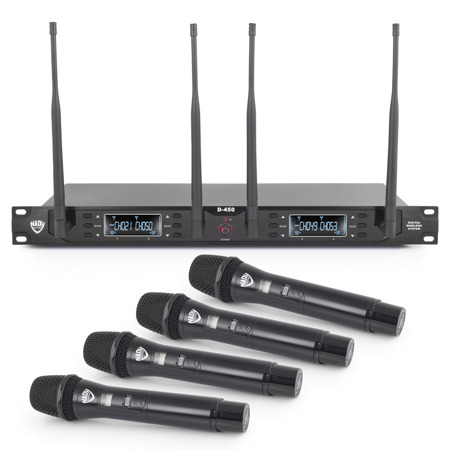
Microphone style has a direct effect on comfort, movement, and sound quality. A headset microphone stays close to the speaker’s mouth and can be useful for teachers who gesture, write on a board, demonstrate an activity, or move across a stage. It also keeps both hands available, which is helpful during lessons, presentations, and rehearsals. A lavalier or clip-on microphone offers a more understated profile and works well for instructors, guest speakers, and presenters who remain relatively close to a lectern or presentation area. Placement matters: clipping the microphone too far from the mouth can make speech sound faint, while positioning it too close to clothing can introduce rustling and handling noise. Handheld microphones are familiar to many students and performers and can be passed between speakers during a question-and-answer session, award ceremony, or school production. When selecting a system, review its operating range, channel options, receiver connections, battery design, and controls. Rechargeable units can simplify repeated use across a busy school day, while replaceable batteries may be convenient when staff need to restore operation quickly. It is also worth checking whether the receiver connects to an existing mixer, powered speaker, amplifier, or installed sound system. Volume controls, mute functions, indicator lights, and straightforward pairing or channel selection can make a meaningful difference when a teacher or event coordinator needs to prepare a room without calling in a technician.
School audio purchases should balance performance with practical upkeep. A portable system with an integrated speaker can be carried from a classroom to a gym, packed for a field event, or stored in a media cabinet when not in use. For permanent installations, a receiver that can be secured in a cabinet or mounted near the sound equipment may help reduce setup time and keep controls organized. Larger spaces often benefit from speakers positioned to distribute sound evenly, rather than relying on excessive volume from one location. Clear speech is usually more valuable than sheer loudness, especially when students are listening for instructions, names, or announcements. Before ordering, measure the room, identify available power and audio connections, and determine whether the system will serve one room or move throughout the building. Check local requirements related to wireless frequencies and coordinate channel selection when several systems operate nearby, particularly in auditoriums or buildings with multiple events. Staff may also want to label microphones, receivers, chargers, and storage cases so equipment returns to the correct location after rehearsals or assemblies. During the cooler months, these systems can support indoor performances, family gatherings, winter concerts, classroom presentations, and school celebrations, while their portability remains useful for outdoor activities when conditions allow. A well-matched wireless microphone system can make a teacher’s voice easier to hear, give student speakers confidence, and help an event feel organized from the first announcement to the final applause.
Microphone style has a direct effect on comfort, movement, and sound quality. A headset microphone stays close to the speaker’s mouth and can be useful for teachers who gesture, write on a board, demonstrate an activity, or move across a stage. It also keeps both hands available, which is helpful during lessons, presentations, and rehearsals. A lavalier or clip-on microphone offers a more understated profile and works well for instructors, guest speakers, and presenters who remain relatively close to a lectern or presentation area. Placement matters: clipping the microphone too far from the mouth can make speech sound faint, while positioning it too close to clothing can introduce rustling and handling noise. Handheld microphones are familiar to many students and performers and can be passed between speakers during a question-and-answer session, award ceremony, or school production. When selecting a system, review its operating range, channel options, receiver connections, battery design, and controls. Rechargeable units can simplify repeated use across a busy school day, while replaceable batteries may be convenient when staff need to restore operation quickly. It is also worth checking whether the receiver connects to an existing mixer, powered speaker, amplifier, or installed sound system. Volume controls, mute functions, indicator lights, and straightforward pairing or channel selection can make a meaningful difference when a teacher or event coordinator needs to prepare a room without calling in a technician.
School audio purchases should balance performance with practical upkeep. A portable system with an integrated speaker can be carried from a classroom to a gym, packed for a field event, or stored in a media cabinet when not in use. For permanent installations, a receiver that can be secured in a cabinet or mounted near the sound equipment may help reduce setup time and keep controls organized. Larger spaces often benefit from speakers positioned to distribute sound evenly, rather than relying on excessive volume from one location. Clear speech is usually more valuable than sheer loudness, especially when students are listening for instructions, names, or announcements. Before ordering, measure the room, identify available power and audio connections, and determine whether the system will serve one room or move throughout the building. Check local requirements related to wireless frequencies and coordinate channel selection when several systems operate nearby, particularly in auditoriums or buildings with multiple events. Staff may also want to label microphones, receivers, chargers, and storage cases so equipment returns to the correct location after rehearsals or assemblies. During the cooler months, these systems can support indoor performances, family gatherings, winter concerts, classroom presentations, and school celebrations, while their portability remains useful for outdoor activities when conditions allow. A well-matched wireless microphone system can make a teacher’s voice easier to hear, give student speakers confidence, and help an event feel organized from the first announcement to the final applause.