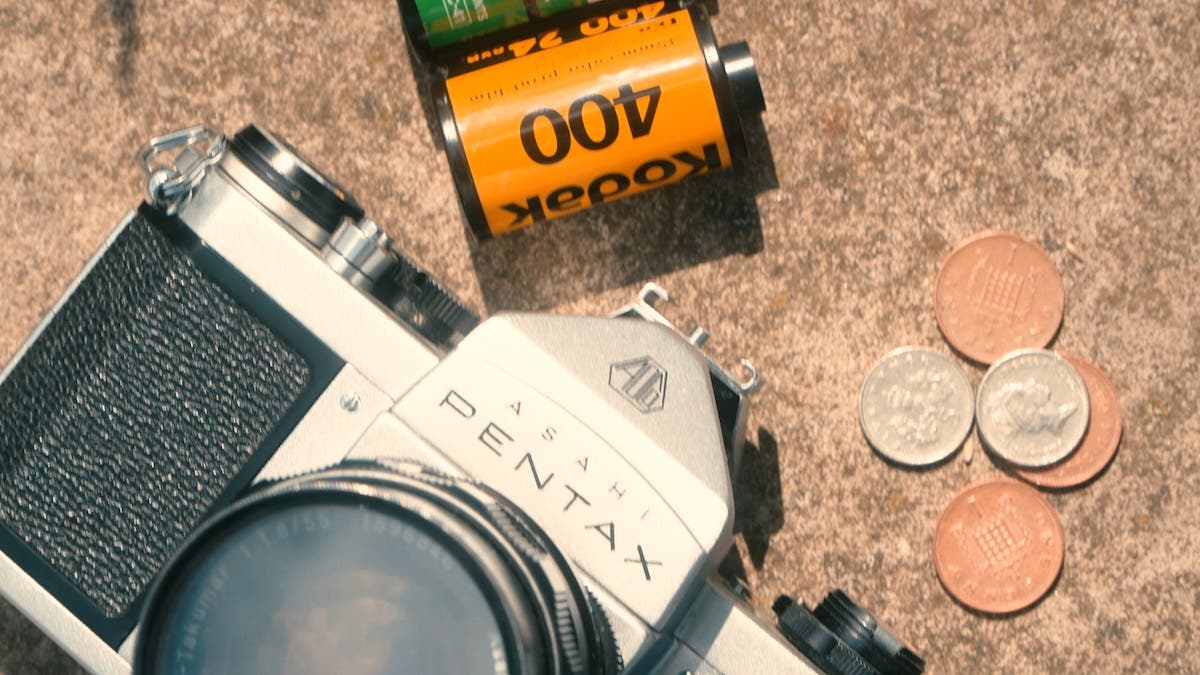
Ever since I entered the wonderful world of work, I’ve found myself getting poorer and poorer. Since 2009, the average rent in England has nearly doubled, and since lockdown, food prices have risen by nearly 50%. And most of you out there are probably in the same situation. Things just aren’t really working for normal people right now. But there are some things you can do to make life easier and to make your budget photography journey better.
So let’s start at the beginning.
Cameras
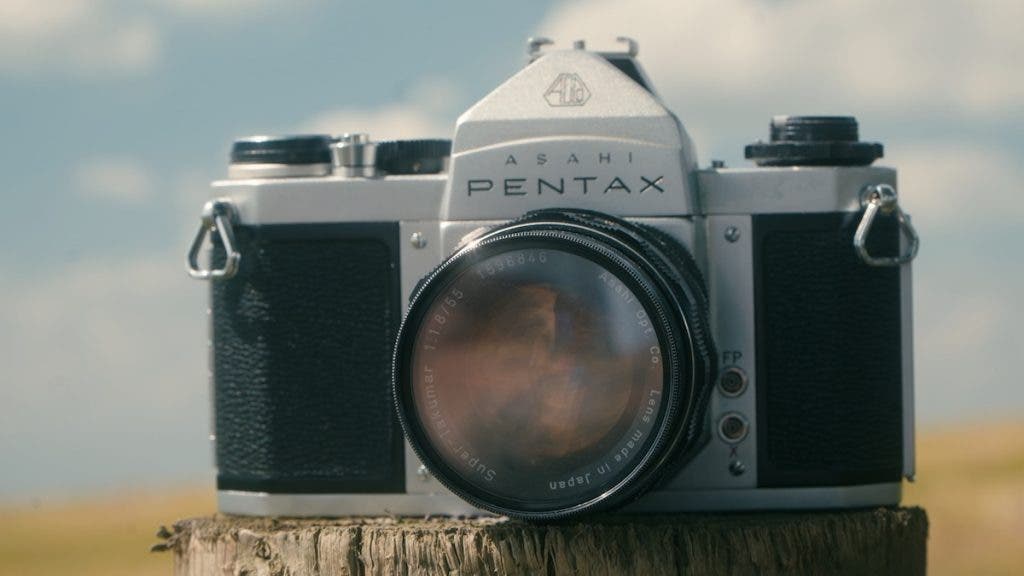
The whole economic model of photography brands is to make you feel like you need the next big camera in order to take good photos. And I’m not here to deny that cameras and lenses get better over time.
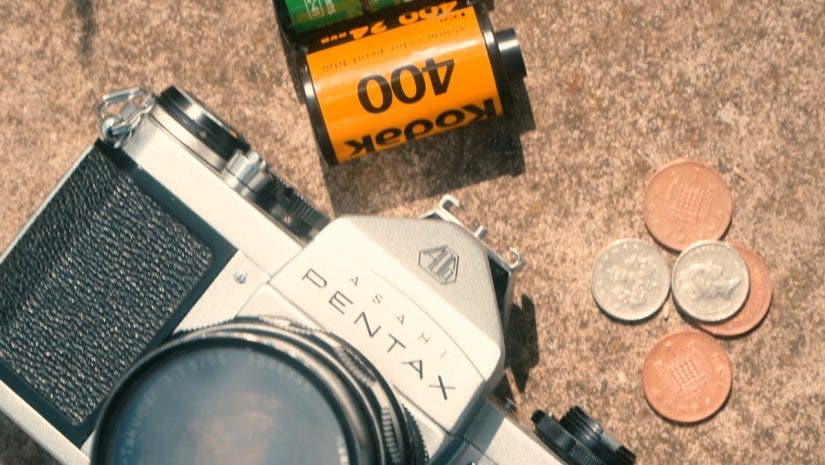
But every single photo you’ve ever liked from before around five years ago was probably taken on a camera and lens that would be reasonably affordable today.
I’ve been through this so many times. Once I get this camera I’ll be able to take the kinds of photos I want. Once I have this lens I can do this. And it’s rarely, if ever, the defining thing.
If all you have is an old DSLR and a prime lens, that’s absolutely fine, and I’ll explain why a bit later.
Don’t Jump the Gun on Making Money
First though, I want to talk about something that happens with a lot of photographers who are just starting out. We feel the need to make photography our job. We see people on Instagram talking about how they get ten clients a day and we think, why can’t I do that? If I just follow this I can make money.
We try it, it doesn’t work for us, we get down about it and it ruins photography for us for a while.
And don’t get me wrong, whether you do or don’t want to make money from photography, that’s completely fine. Some people want it to purely be a hobby, some people want it to potentially become a career.
But if you jump the gun and put a whole lot of pressure on yourself to build a photography career when you’re not ready, that’s a pretty good way of ruining photography for yourself and potentially putting yourself in more financial difficulty.
Start Licensing Your Photos
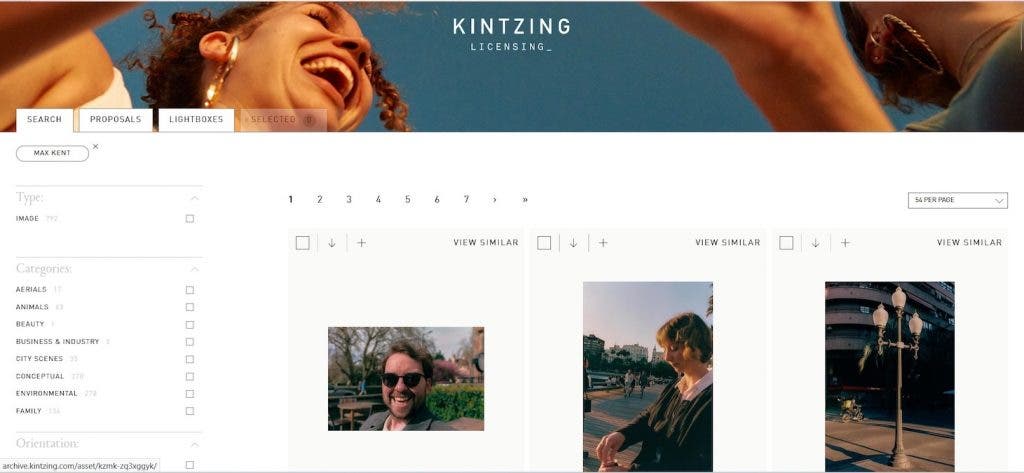
Something I would definitely recommend trying, whether you want to make your photography a business or not, is to start putting your photos on a licensing website.
And I know what you’re thinking. I don’t have any photos of someone handing paperwork to a colleague in an office.
Well, luckily, that’s not the kind of photo these agencies are looking for. There’s an emerging market of photo licensing that’s much more about lifestyle than it is about your typical stock photos. Agencies like Kintzing, Withstills and Stocksy are looking for authentic lifestyle shots, and while there are no guarantees, I’ve personally had some four figure sales from individual photos.
This is one of those things you can set up, upload photos every now and then when you have new work, and largely forget about it. You might never sell any, but you just might get a licensing request when you least expect it. It won’t necessarily make you a lot of money, but it’s one of those things that could provide a nice surprise every now and then, and even if it doesn’t, it hasn’t cost you anything anyway.
Invest in Your Skills, Not Your Gear
I want to talk about how you invest your money and your time. The way photographers who get really, really good actually do it.
Since most of us don’t have a couple of grand lying around, we can’t invest in great gear anyway. So stop worrying about your gear and start investing in your skills.
Learn everything you can about composition, storytelling, framing, all the things that will make you a better photographer no matter what camera you’re using. You can do this through courses or simply through YouTube, it’s really up to you. But you’ll gain so much more from building your photographic style and vision than you ever would from buying better gear.
And it’s not just about the way you shoot. It’s also about the way you edit.
Editing can be one of those things that completely transforms your images no matter what camera you’re shooting with. If you can go really in-depth and learn Lightroom, it’ll have a massive impact on your shots. Even if you’re shooting with a cheap old DSLR, you can make your photos look professional and polished through good editing.
Sell Your Prints
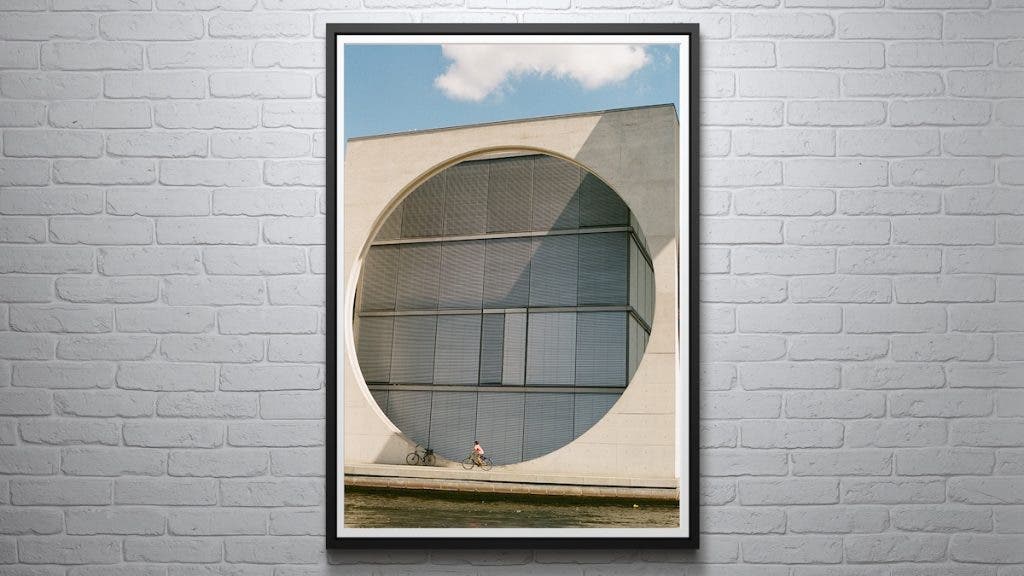
Another way to earn a little bit of extra money is by selling your own prints. Again, you might not see yourself trying to make a business of photography, but selling prints is a really nice thing to do. People get to have a physical piece of your work in the real world, which is a genuinely cool thing.
One of the mistakes I see people making all the time though, is buying a set amount of prints upfront. Five prints of this photo, five of that one, and then suddenly they’re left with a load of prints they can’t shift.
If you’re just starting out, find a good site that does print on demand. [INSERT LINK TO PRINTIQUE] You’ll make a little less money per print, but it takes away any financial risk and means you don’t need to pay for anything upfront.
You’re not going to make a fortune from selling prints, but it can definitely help by giving you a little extra money that goes towards film or future gear.
Look for Local Photography Opens
Another great thing you can do is look for local photography open exhibitions. These are usually free exhibitions that anyone can enter work into, and they give you an opportunity to get your work in a gallery and potentially even sell it.
I did this a while back, sold a print, and then sold another of the same photo to a local hotel because their curator had seen my work in the exhibition. You just never know where these things can lead.
A Quick Word on Photography Competitions
Avoid paid photography competitions. They’re nearly always not worth your time or money. Save both for the things above instead.
To Summarize
Invest in your skills. Spend more time shooting and less time worrying about gear you can’t afford. Set up some licensing because you may as well. Sell your prints on demand. And look for local exhibition opportunities.
Photography doesn’t have to be an expensive pursuit to be a rewarding one. Some of the most compelling work out there has been shot on modest gear by photographers who spent their time and energy in exactly the right places.