
Tripod Features
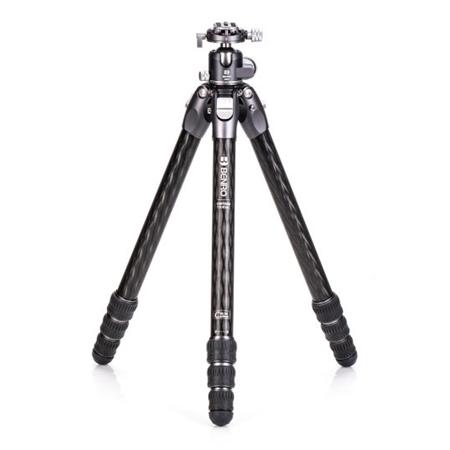
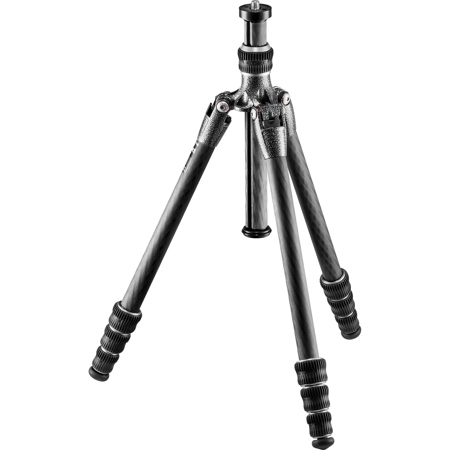
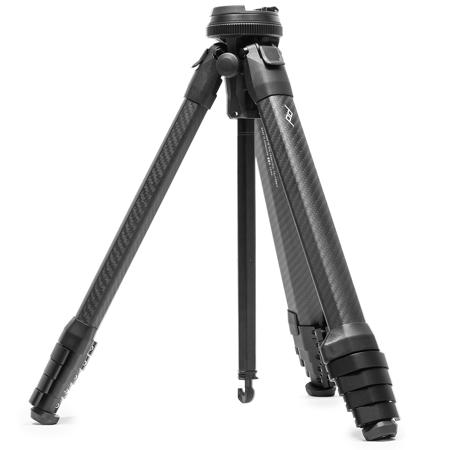
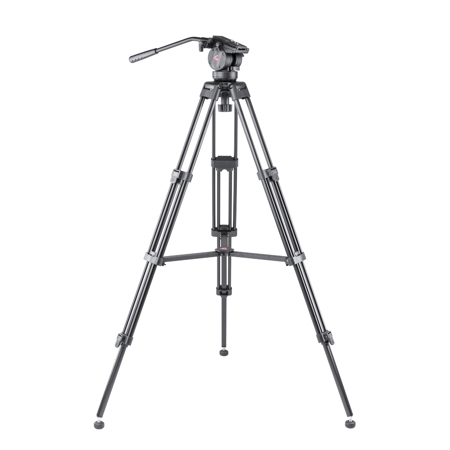
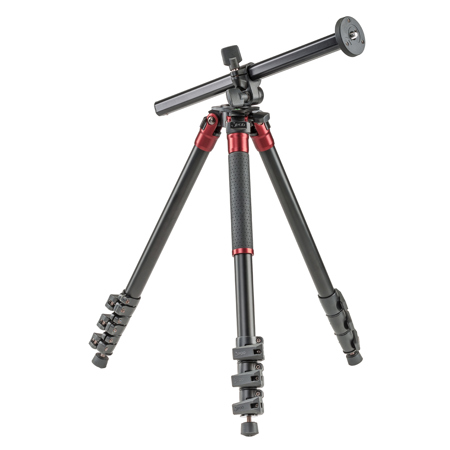
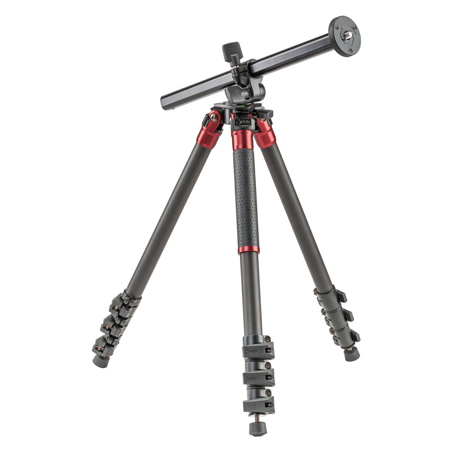
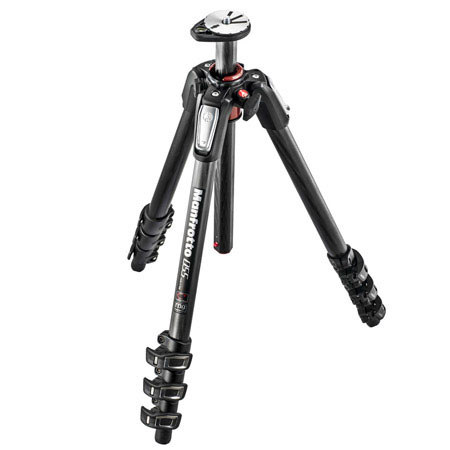
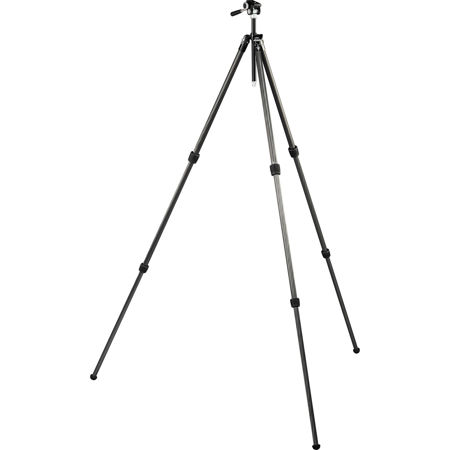
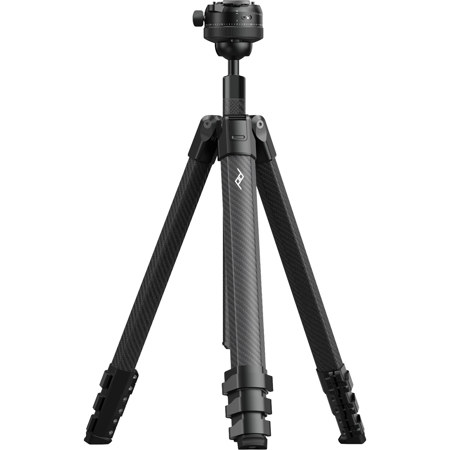
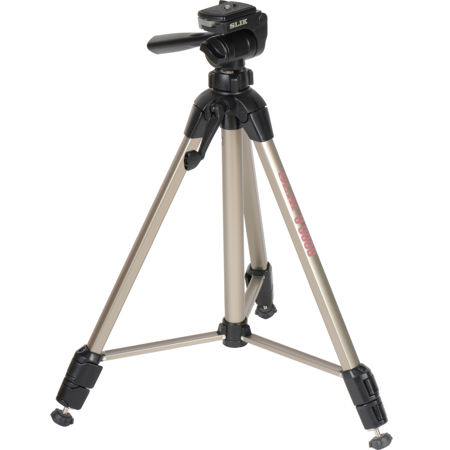
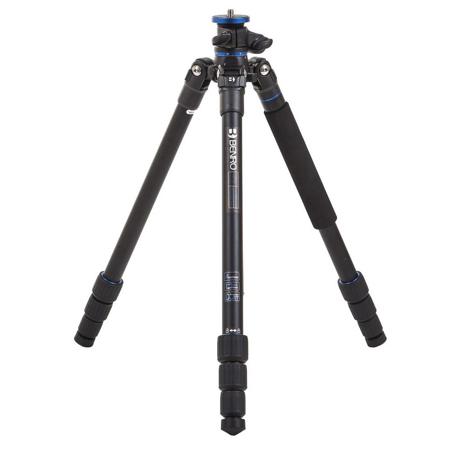
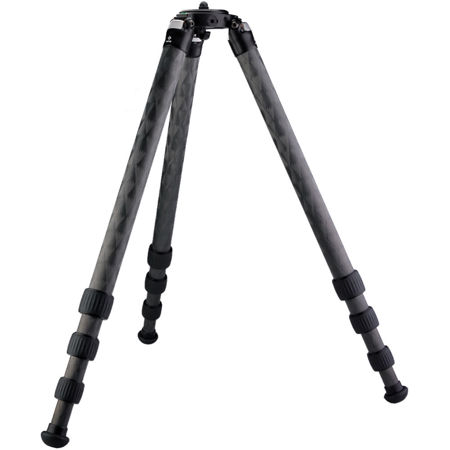
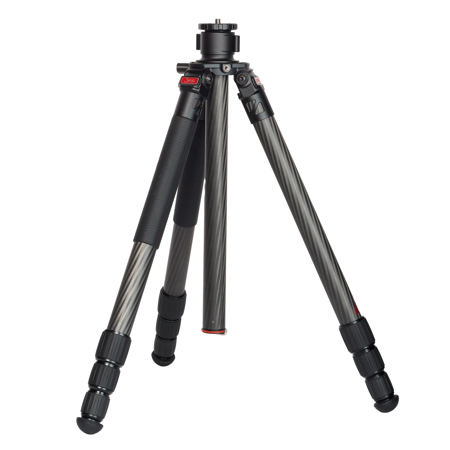
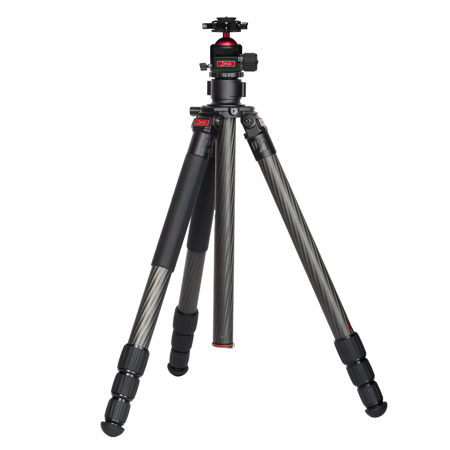
When exploring the world of tripods, it quickly becomes clear how essential these tools are for both amateur and professional photographers seeking sharp, blur-free images. A tripod’s primary function is to provide unwavering stability, but its features go far beyond simply holding a camera steady. The construction of tripod legs—most commonly from aluminum or carbon fiber—directly impacts both durability and portability. Aluminum offers robust support at an accessible price, making it a reliable choice for studio photographers or those who don’t mind a bit of extra weight. Carbon fiber, on the other hand, is prized for its lightweight feel and superior vibration dampening, a real advantage for those who travel frequently or shoot in challenging outdoor environments. As winter lingers and the landscape transforms, a sturdy tripod becomes indispensable for capturing the subtle beauty of frosty mornings or the delicate patterns of falling snow, where longer exposures are often necessary to do justice to the scene.
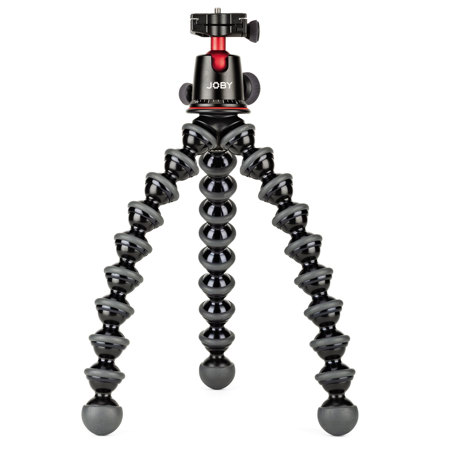
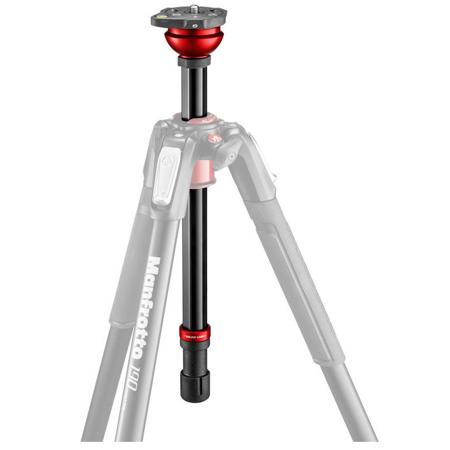
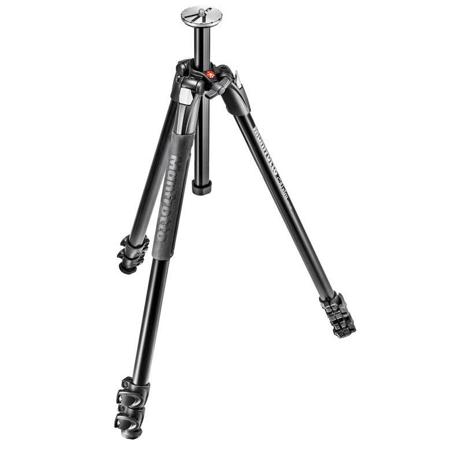
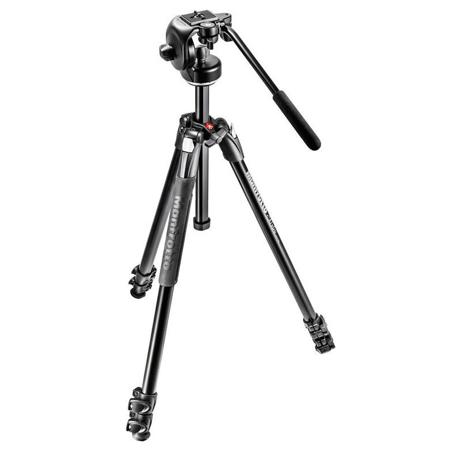
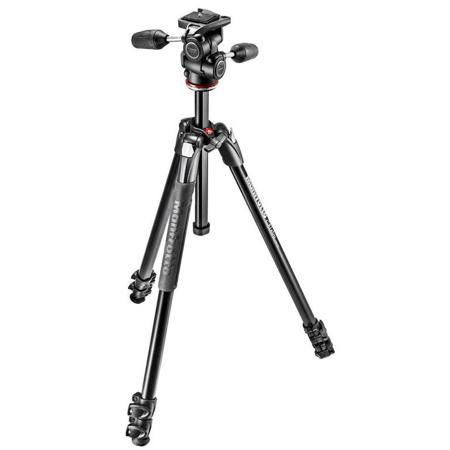
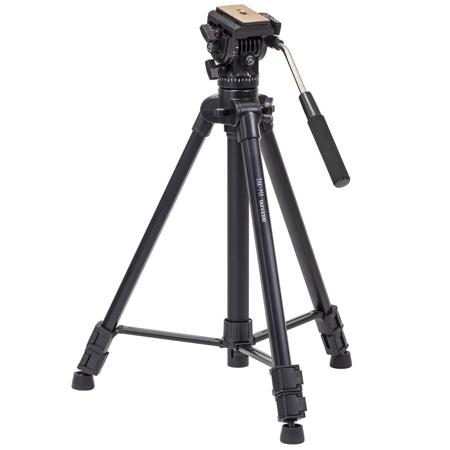
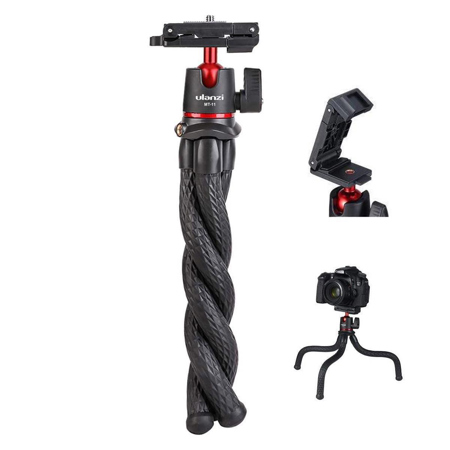
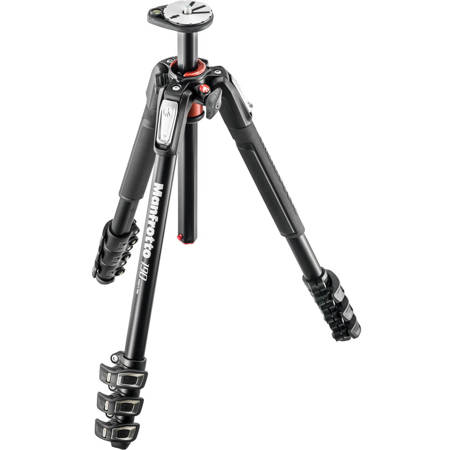
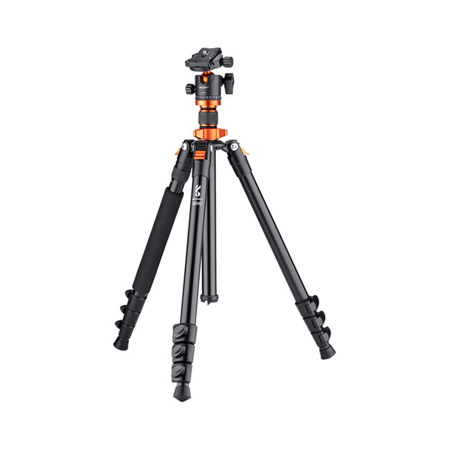
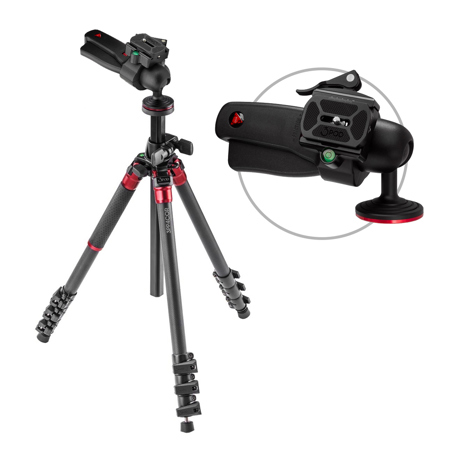
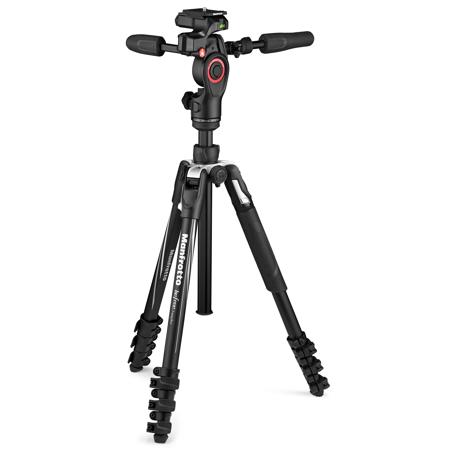
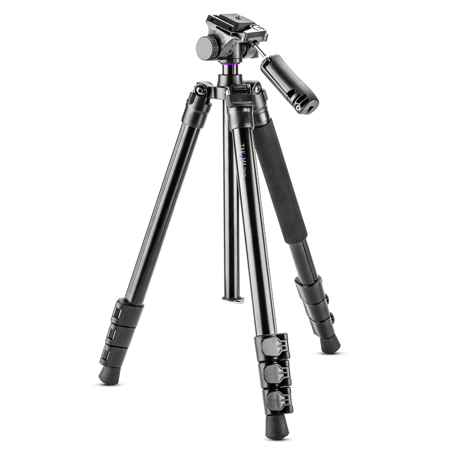
The versatility of a tripod is largely determined by its head and locking mechanisms. Ball heads allow for rapid, fluid adjustments—perfect for wildlife photographers tracking fleeting moments or portrait artists fine-tuning their composition. Pan-tilt heads provide precise, axis-by-axis control, which is especially valuable for landscape and architectural photography, where exact framing is paramount. For those wielding heavy telephoto lenses, a gimbal head distributes weight more evenly, making it easier to follow fast-moving subjects like birds in flight or athletes in action. The quick-release plate is another feature that brings convenience to the field, allowing cameras to be mounted or removed in seconds—a small but significant timesaver when the light is changing fast. Leg locks, available in twist or flip designs, cater to different preferences: twist locks are discreet and less prone to snagging, while flip locks offer the reassurance of a quick, visual check for security. Adjustable central columns provide extra height when needed, though lowering them enhances stability—a useful tip for windy days or uneven terrain.
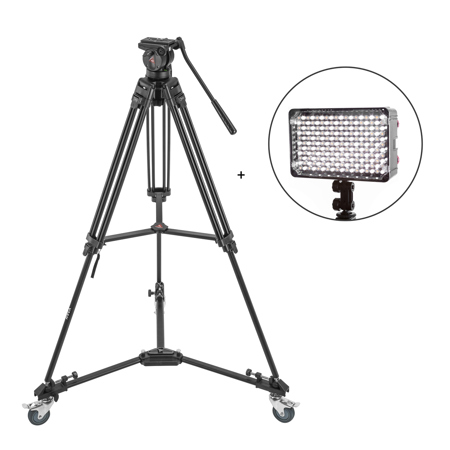
For anyone considering a tripod as a thoughtful gift, these features make them a practical choice for a wide range of users. A tripod is not only an essential tool for photographers but also for videographers, content creators, and even budding astronomers. Its ability to hold equipment steady opens creative possibilities, from silky-smooth long exposures of city lights in winter to time-lapse sequences of melting snow and emerging spring buds. The right tripod should match the user’s shooting style, equipment weight, and portability needs—whether it’s a compact model for travel or a heavy-duty support for studio work. Features like built-in bubble or spirit levels help ensure the camera remains perfectly aligned, which is crucial for panoramic shots or high dynamic range (HDR) imaging. For those interested in exploring these stability-enhancing accessories, our dedicated page on Tripod Levels offers a closer look at options designed to keep your horizons true. Ultimately, a well-chosen tripod not only supports the camera but also the photographer’s vision, enabling creative expression in every season and setting.
The versatility of a tripod is largely determined by its head and locking mechanisms. Ball heads allow for rapid, fluid adjustments—perfect for wildlife photographers tracking fleeting moments or portrait artists fine-tuning their composition. Pan-tilt heads provide precise, axis-by-axis control, which is especially valuable for landscape and architectural photography, where exact framing is paramount. For those wielding heavy telephoto lenses, a gimbal head distributes weight more evenly, making it easier to follow fast-moving subjects like birds in flight or athletes in action. The quick-release plate is another feature that brings convenience to the field, allowing cameras to be mounted or removed in seconds—a small but significant timesaver when the light is changing fast. Leg locks, available in twist or flip designs, cater to different preferences: twist locks are discreet and less prone to snagging, while flip locks offer the reassurance of a quick, visual check for security. Adjustable central columns provide extra height when needed, though lowering them enhances stability—a useful tip for windy days or uneven terrain.
For anyone considering a tripod as a thoughtful gift, these features make them a practical choice for a wide range of users. A tripod is not only an essential tool for photographers but also for videographers, content creators, and even budding astronomers. Its ability to hold equipment steady opens creative possibilities, from silky-smooth long exposures of city lights in winter to time-lapse sequences of melting snow and emerging spring buds. The right tripod should match the user’s shooting style, equipment weight, and portability needs—whether it’s a compact model for travel or a heavy-duty support for studio work. Features like built-in bubble or spirit levels help ensure the camera remains perfectly aligned, which is crucial for panoramic shots or high dynamic range (HDR) imaging. For those interested in exploring these stability-enhancing accessories, our dedicated page on Tripod Levels offers a closer look at options designed to keep your horizons true. Ultimately, a well-chosen tripod not only supports the camera but also the photographer’s vision, enabling creative expression in every season and setting.