TRS Microphones
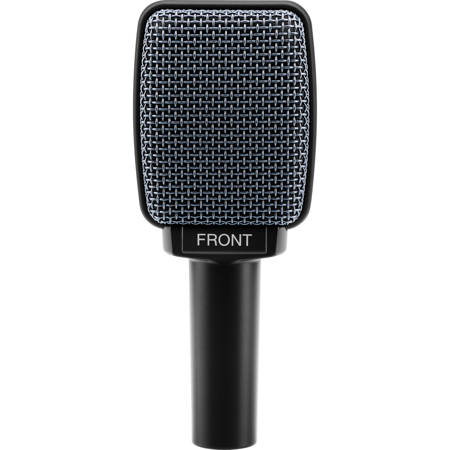
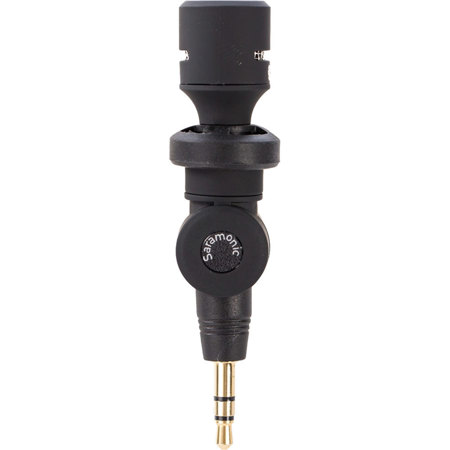
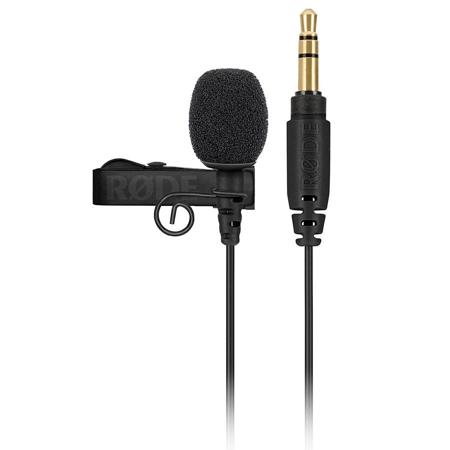
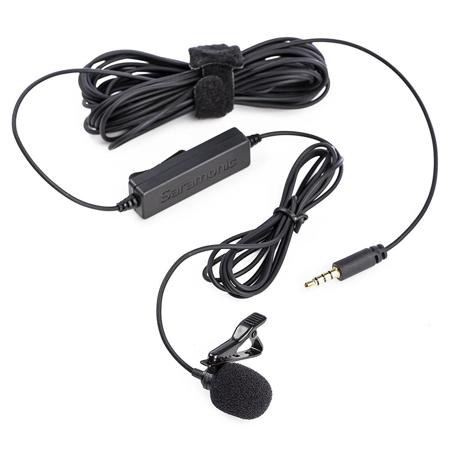
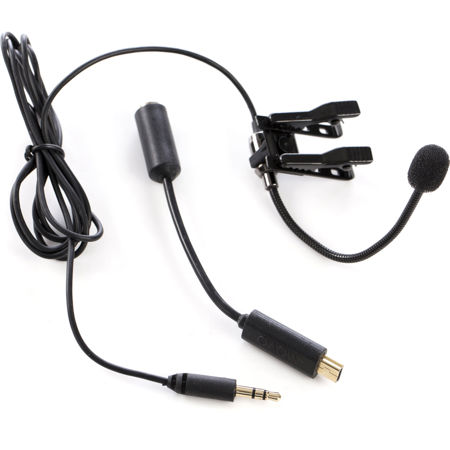
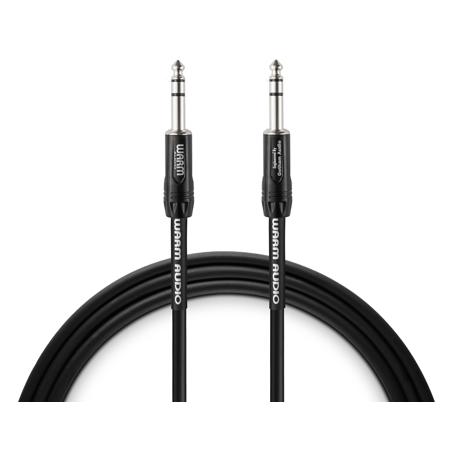
TRS microphones, also known as Tip-Ring-Sleeve microphones, are a staple in the world of professional and enthusiast audio recording. Recognizable by their 3.5mm or 1/4" connectors with two black bands, these mics are engineered to deliver either stereo audio or a balanced mono signal, making them an essential tool for content creators, musicians, podcasters, and videographers alike. Whether you’re capturing the crisp dialogue of a documentary interview or the vibrant ambiance of a live concert, the versatility of a TRS mic ensures exceptional clarity and minimal interference. In the heart of winter, when indoor creativity flourishes and musicians retreat to home studios, having the right microfono TRS setup can transform a spare room into a haven for inspiration. These microphones are also a thoughtful gift for anyone passionate about audio, from budding YouTubers needing a reliable camera mic to seasoned drummers looking to upgrade their drum mics used for practice sessions or live gigs.
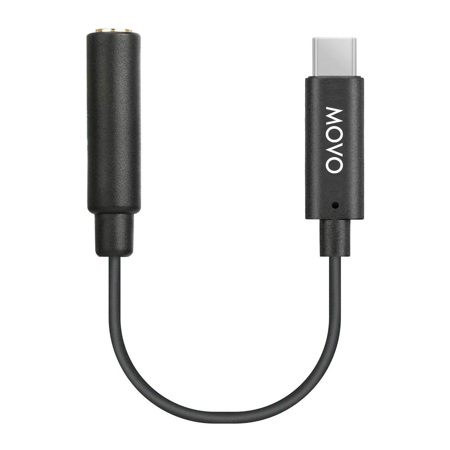
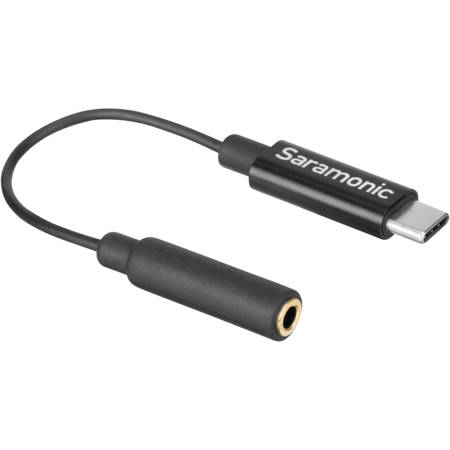
When considering which TRS microphone to add to your setup, it’s important to factor in the intended application and compatibility with your gear. TRS mics are particularly well-suited for use with cameras, camcorders, field recorders, and audio interfaces that require high-quality sound with reduced noise. If you’re planning to record musical instruments, such as the rich tones of a tom drum or the subtle nuances of acoustic guitar, a TRS mic can faithfully capture every detail. For those working with smartphones or tablets, it’s worth noting that these devices often require a TRS to TRRS adapter to accommodate the additional microphone channel found on TRRS (Tip-Ring-Ring-Sleeve) connectors. This simple accessory bridges the gap, allowing you to use your favorite TRS microphone for mobile interviews, vlogging, or remote podcasting. During the colder months, as live performances move indoors and recording projects ramp up, having a trs mic that’s adaptable to different environments and devices is invaluable. Whether you’re layering tracks in a home studio or capturing the energy of a drum kit, the right microphone can make all the difference in the final mix. If your interests lean toward percussion, you might also explore specialized options like Tom Drum Microphones for even more tailored sound.
A trs microphone is not just a piece of equipment; it’s a gateway to higher fidelity and creative freedom. Audio professionals and hobbyists alike appreciate the straightforward setup, robust construction, and consistent performance of these mics. From field reporters braving the January chill to capture breaking news, to educators recording clear and engaging online lessons, the flexibility of a trs mic extends across countless scenarios. Even for those just starting out, the right microfono trs can provide a noticeable upgrade over built-in device microphones, offering richer, fuller sound that brings projects to life. For anyone working with both traditional and modern devices, understanding the distinction between trs and trrs mic connectors is key to seamless integration. As you browse through the curated selection of TRS microphones, consider the environments you’ll be recording in, the instruments or voices you want to highlight, and the devices you plan to use. With the right choice, you’ll be well-equipped to capture every nuance, whether you’re documenting a quiet winter morning or amplifying the dynamic rhythms of a live band.
When considering which TRS microphone to add to your setup, it’s important to factor in the intended application and compatibility with your gear. TRS mics are particularly well-suited for use with cameras, camcorders, field recorders, and audio interfaces that require high-quality sound with reduced noise. If you’re planning to record musical instruments, such as the rich tones of a tom drum or the subtle nuances of acoustic guitar, a TRS mic can faithfully capture every detail. For those working with smartphones or tablets, it’s worth noting that these devices often require a TRS to TRRS adapter to accommodate the additional microphone channel found on TRRS (Tip-Ring-Ring-Sleeve) connectors. This simple accessory bridges the gap, allowing you to use your favorite TRS microphone for mobile interviews, vlogging, or remote podcasting. During the colder months, as live performances move indoors and recording projects ramp up, having a trs mic that’s adaptable to different environments and devices is invaluable. Whether you’re layering tracks in a home studio or capturing the energy of a drum kit, the right microphone can make all the difference in the final mix. If your interests lean toward percussion, you might also explore specialized options like Tom Drum Microphones for even more tailored sound.
A trs microphone is not just a piece of equipment; it’s a gateway to higher fidelity and creative freedom. Audio professionals and hobbyists alike appreciate the straightforward setup, robust construction, and consistent performance of these mics. From field reporters braving the January chill to capture breaking news, to educators recording clear and engaging online lessons, the flexibility of a trs mic extends across countless scenarios. Even for those just starting out, the right microfono trs can provide a noticeable upgrade over built-in device microphones, offering richer, fuller sound that brings projects to life. For anyone working with both traditional and modern devices, understanding the distinction between trs and trrs mic connectors is key to seamless integration. As you browse through the curated selection of TRS microphones, consider the environments you’ll be recording in, the instruments or voices you want to highlight, and the devices you plan to use. With the right choice, you’ll be well-equipped to capture every nuance, whether you’re documenting a quiet winter morning or amplifying the dynamic rhythms of a live band.