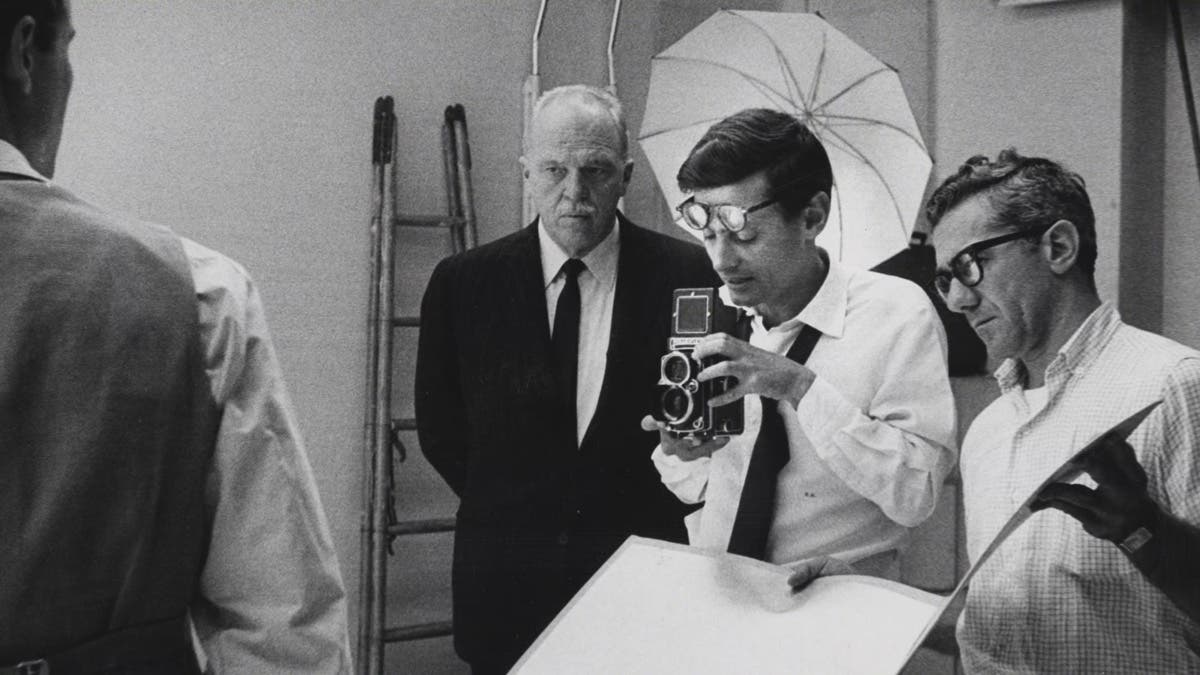
When my editor asked me to watch director Ron Howard’s new Netflix documentary, Avedon, I was all in. Knowing the film was about to launch brought me right back to my days at Photo District News (PDN). In 2000, we named Richard Avedon one of our 20 most influential photographers. I’d never met him, but I knew him, knew his work. Or so I thought.
What really resonated with me during the 104-minute film was just how much of this legend’s work I’d never seen before, or, if I had, didn’t realize was his. Yes, Howard’s film is filled with Avedon’s iconic work. But it also includes wonderful photographs from unpublished shoots, behind-the-scenes footage, and genuinely revealing recollections from some of the photographer’s closest friends, colleagues, and collaborators.
From his fashion work for Harper’s Bazaar and Vogue to his stripped-down portraits of artists, actors, politicians, and everyday people, Richard Avedon left an indelible mark on photography. I was more than thrilled to take a break in the middle of a workday, getting reacquainted with his work and learning more about the man behind the camera.
Avedon, The Legend, in Words and Pictures
Over my 30 years in the photo industry, most of the Richard Avedon work I’ve encountered has been what we all tend to associate with his signature style: stark white backgrounds, stripped-away distractions, and an almost singular focus on his subjects and their form. And that’s where the film begins. The focus: Avedon himself.
There’s Avedon, in black and white. He’s framed within what appears to be a circular composition, almost echoing the visual style he became known for. A young, bespectacled Avedon begins speaking. To me, it felt a little like watching a game-show contestant being asked to sum up who they are in a quick introductory clip. “I can say very little about photography,” he states matter-of-factly. “I follow no rules, no laws, and no advice.” Hip music plays in the background.
And with that, we’re off. Some of his most recognizable portraits flash across the screen. A female voiceover follows: “There are fashion photographers, portrait artists, and photojournalists, and then there is Richard Avedon. It would be hard to find any creative working today who isn’t influenced by his work.”
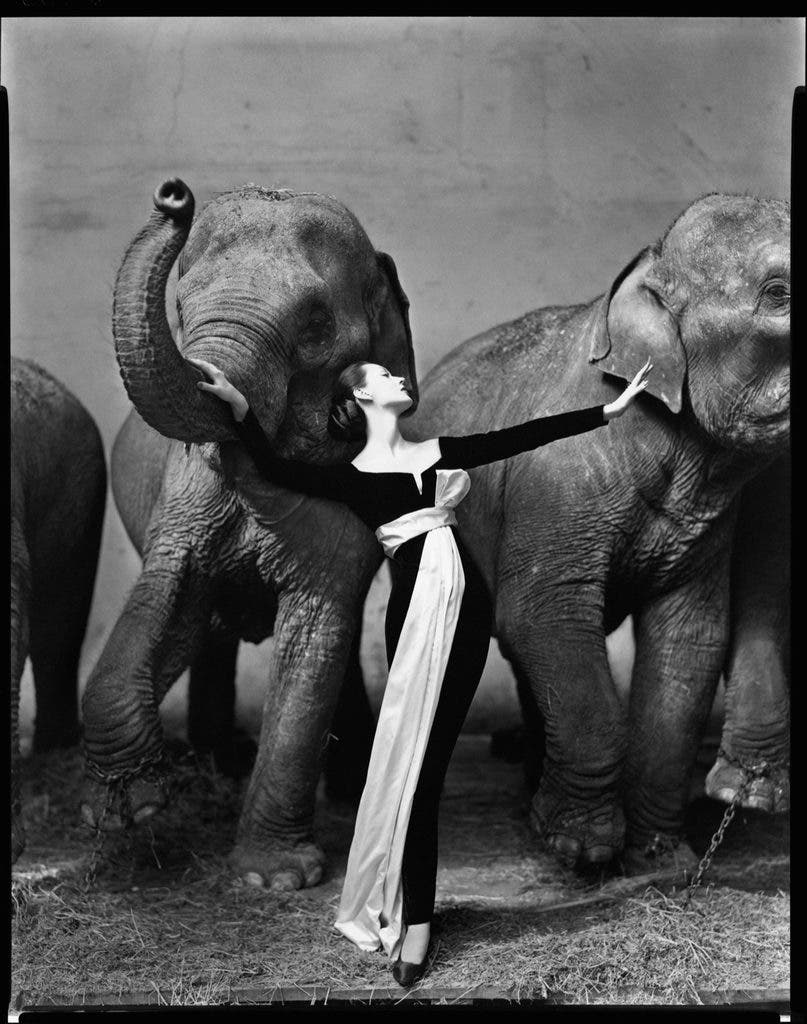
An image of Nastassja Kinski with a snake wrapped around her naked body seems to stop time. Then there’s “Dovima with Elephants,” described by art dealer Larry Gagosian as “one of the most iconic fashion photographs that has ever been made in the history of photography.” I’ve seen it countless times. It remains one of my favorites.
Avedon, A More Intimate Look
As I get deeper into the film, I appreciate how director Ron Howard gives equal attention to the “beautiful” and the “not-so-beautiful” sides of Avedon’s work. “It made him rich, famous and controversial,” a male voiceover tells us. I find myself as absorbed in the words as in the photographs.
When asked why he chose photography, a younger Avedon responds: “Look, I still can’t type, I can’t read my own handwriting, I don’t think consecutively, I’m anecdotal, I’m instinctual, but I can see like a son of a bitch.”
And that, my friends, gets to the heart of who Avedon was. He saw, and he saw differently. And it was remarkable.
A Unique Approach
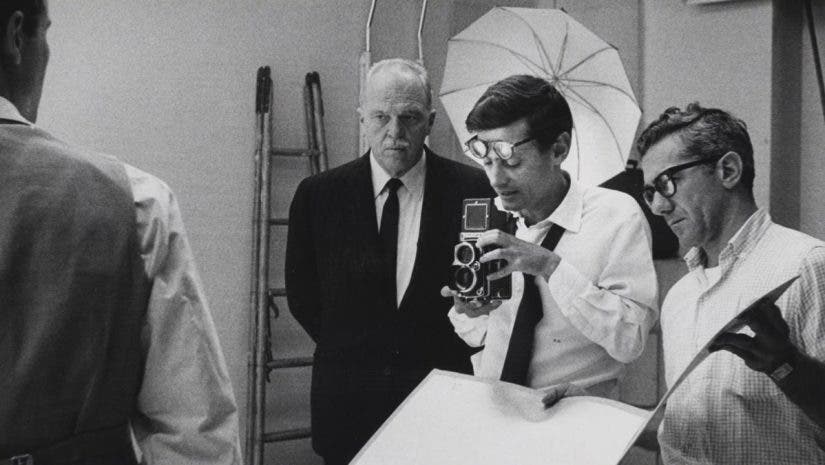
The film unfolds through a mix of archival interviews, photographs, and conversations with people who knew, worked with, and photographed alongside Avedon. We hear Avedon speaking in interviews recorded decades ago, sharing his thoughts on his work, his approach to photography, and his life. Those voices are balanced by more recent interviews conducted by Howard, with an impressive lineup of friends, colleagues, collaborators, and former subjects. Among them are photographer Joel Meyerowitz, art dealer Larry Gagosian, Isabella Rosellina, Tina Brown, Calvin Klein, and Sebastian Kim, Avedon’s former assistant who went on to become a photographer in his own right, and Avedon’s own son, John. James Martin, executive director of the Richard Avedon Foundation, and Samira Nasr, editor-in-chief of Harper’s Bazaar, also offer their perspectives.
I was curious about where Howard found so much of Avedon’s own recorded material. It turns out the Richard Avedon Foundation gave him access to an extraordinary collection of archival recordings. Additionally, personal notebooks, Polaroid test strips, and other materials. The result is a rare opportunity to hear Avedon speak for himself. This is more powerful than simply hearing other people tell us who he was.
We learn, through Avedon, about his upbringing in New York City. We learn of his father’s strictness, and the influence his sister Louise had on both his career and his fascination with capturing emotion and movement.
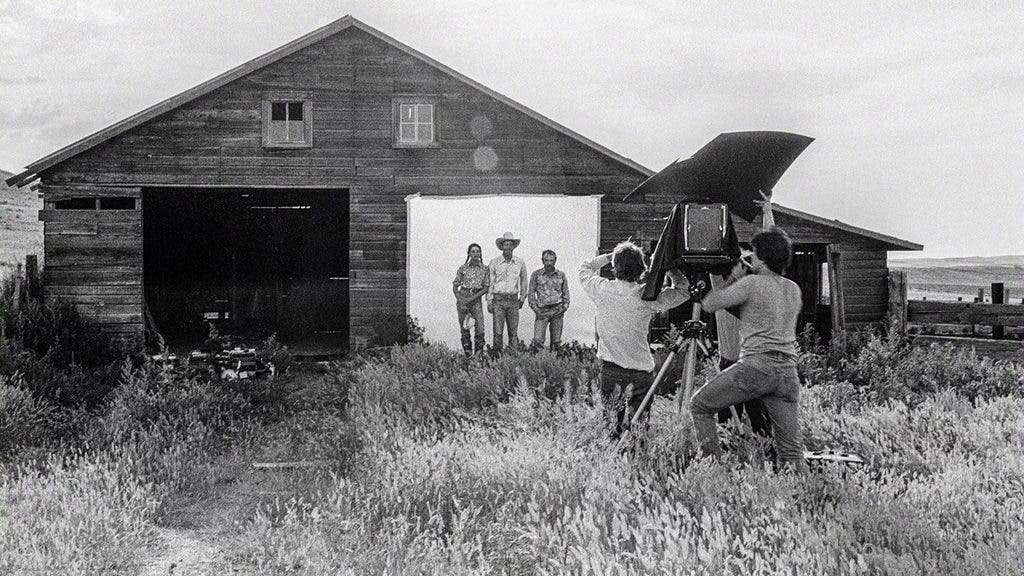
Howard also makes room for Avedon’s photographs of people whose lives were far removed from the fashion world. A world that first made him famous. Oilfield workers, miners, drifters, waitresses, and patients in mental institutions all found their way in front of his camera. These were the people whose stories weren’t often told, but the ones Avedon wanted to tell most.
Final Takeaways
Every part of Avedon serves a purpose. To give us a deeper sense of what drove the photographer through the different stages of his life and career. Perhaps it’s summed up best in the words of his son, John:
“My father was always looking for some deeper sensibility, some deeper explosive moment about human nature, human character. He had a deep concern about image versus reality. This obsessed him his whole life.”
There’s so much more in Avedon that I could write about, but I’m already past my word count. I’ll leave you with this: Stream it.