Pricing is the part of this business that makes most new photographers want to hang up their camera and not proceed any further. There’s no universal answer, no industry-standard wedding photography rates card, no number someone can hand you and say, “Hey, charge this.” What there is, instead, is a framework for figuring it out yourself. And once you understand wedding photography rates, it’s less overwhelming than it looks.
Start with your costs, not your competition
The most common mistake new photographers make when setting rates is opening Instagram, finding photographers in their market, and picking a number that feels right. This is backward. Your rates need to be built from the inside out, starting with what it actually costs you to run your business.
Add it up. Your camera gear and the cost of replacing or repairing it over time. Your editing software subscriptions. Your website. Your client management system. Your liability insurance. Your contract review. The hard drives you go through every year. The continuing education, the workshops, and the conference registrations. The fees for credit cards, should you choose to accept them. The taxes you owe as a self-employed person, which will be higher than you expect if you’ve never been self-employed before.
Now add your time. Not just the hours you spend on the wedding day itself, but the consultation calls, the emails back and forth, the editing, the culling, the gallery delivery, the follow-up. A single wedding that books as an eight-hour job often represents twenty or thirty hours of total work by the time it’s done. Your rate needs to account for all of it.
When you know what it costs you to do business, you know the floor. You cannot charge below that number and survive. Everything above it is your actual income.
I created a spreadsheet for my own business to do this. I have my business hard costs to consider, as well as what it costs me to produce every wedding I photograph, from parking my car at the reception venue to paying for post-production. This way, all of the numbers I use and price myself with are real and specific to me and my business directly.
What the market will bear
Once you know your floor, look at your market. Not to copy anyone, but to understand the landscape. What are established photographers in your area charging? What do photographers at the beginning of their careers charge? Where does the work you’re producing right now sit in that range?
Be honest with yourself here. If you’re brand new, you are not yet worth what a photographer with ten years of experience and a packed referral pipeline is worth. That’s not a permanent condition. It’s just where you are right now. Pricing yourself accurately for your experience level isn’t selling yourself short. It’s being honest with clients about what they’re buying, and it’s how you build the reputation that eventually lets you raise your rates.
The obvious question here is, how do I find out what my market is charging? Some people will suggest making a fake email and reaching out to photographers to find out – don’t do that! I suggest looking at online listing sites such as The Knot and seeing where photographers fall in terms of budget parameters and going from there. You can also often find details about pricing by reading local subreddits and in local wedding Facebook groups.
The race to the bottom is a trap
Here is the thing that nobody tells you clearly enough: the cheapest photographer in the market does not get the most weddings. They get a specific kind of wedding. From a specific kind of client. That client will be harder to work with, more likely to push back on your deliverables, and less likely to refer you to anyone who will pay you fairly.
Underpricing attracts clients who are primarily motivated by price. In my experience, those clients will negotiate, request extras that weren’t included, and leave reviews that focus on value rather than experience. That is not the foundation you want to build on.
Charge what your work is worth. Raise your rates as your work improves. The clients who are right for you will find you.
Package structure
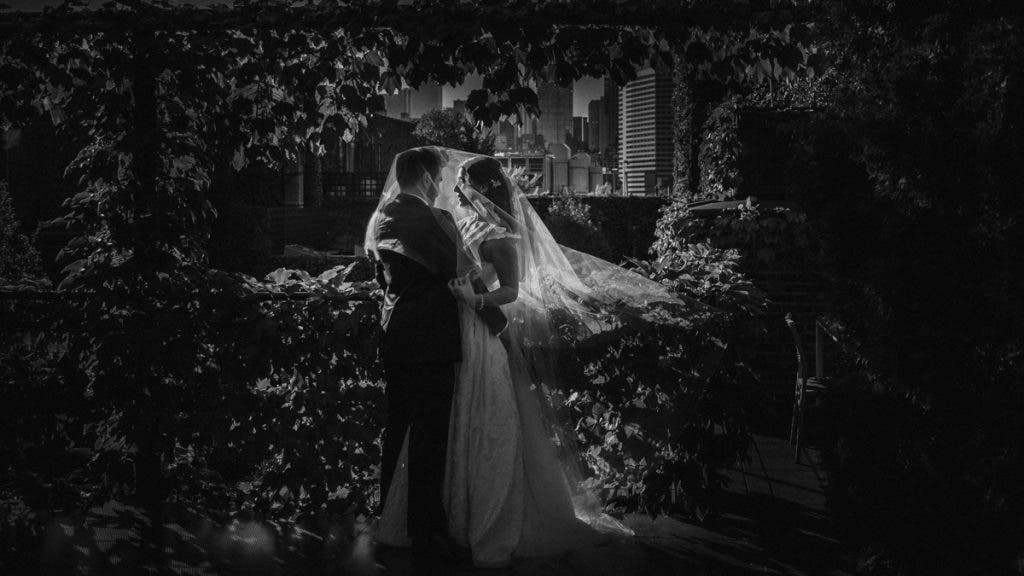
Most wedding photographers offer tiered packages built around hours of coverage, with additional services like engagement sessions, second photographers, albums, and prints available at higher tiers or as add-ons. There’s no single right way to structure this, but a few things are worth knowing.
Fewer packages are better than more. Three clear options are easier for a client to navigate than six confusing ones. Make it easy for them to understand what they’re getting and what it costs.
Your middle package will be your most booked. Price accordingly.
Be clear about what’s included and what isn’t. If albums are available but not included in the base package, say so. If a second photographer is optional, put a price on it. Ambiguity in your pricing leads to awkward conversations later, and hopefully, you’ve already read the article about why you want everything in writing on a contract.
When to raise your rates
Raise your rates when you’re booking too easily. If every couple you talk to says yes without hesitation, you are probably underpriced. The goal is not to book every single inquiry. The goal is to book the right clients at a rate that sustains your business and reflects the value of what you’re delivering.
Raise your rates when your work improves significantly. Look at images from a year ago and compare them to now. If there’s meaningful growth, your pricing should reflect it.
Raise your rates when you’re too busy. Your time has a ceiling. When you’re approaching it, the only lever you have is price.
A note on discounts
Be careful with discounting. A discount given once becomes an expectation in the future. It also signals to the client that your original price was negotiable, which changes the dynamic of the entire relationship before it’s even started. If you want to offer something at a lower rate, frame it as a different package, not a reduced price on an existing one.
There are exceptions. Off-peak dates, short-notice bookings, situations where you genuinely want to do the work and the money isn’t the point. Use your judgment. Just do it thoughtfully, be clear to clients about why a lower price might be available, and don’t make a habit of it.
The bigger picture
Your rates are not just a number. They are a statement about how you value your work, your time, and your expertise. Clients read pricing as a signal before they ever get on a call with you. Too low and they wonder what’s wrong. Too high for your current level and the work won’t back it up. The goal is honest pricing that reflects where you are right now, with a clear plan for where you’re going and a marketing message that backs it up.
Do the math. Know your numbers inside and out. Understand your market. Charge what your work is worth today, and keep building toward what it will be worth tomorrow.