Photographic Film
Save 5% Every Day† with the Adorama Edge Card. Learn More

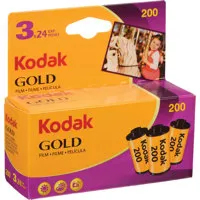
KODAK Kodacolor Gold 200 Color Negative Film ISO 200, 35mm Size, 24 Exp, 3-Pack
SKU: KKGB24U3MFR: 6033971
(15)- Capture vibrant memories with Kodacolor Gold 200 film.
- Enjoy fine grain & sharp images using this 35mm film.
- Experience consistent results with daylight balanced film.
- Excellent exposure latitude for varied lighting needs.
- Affordable 3-pack of 24 exposure color negative film.
On Backorder
?
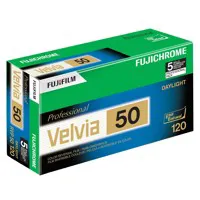
Fujifilm Fuji Velvia RVP 50 120 Color Slide Film, 5 Pack
SKU: FJRVP50120PPMFR: 16329185
(22)- Velvia 50 Film: Exceptional color saturation.
- ISO 50 Film: Fine grain for sharp detail.
- 120 Film Size: Professional archival quality.
- Fujifilm Film: Wide exposure latitude range.
- Color Slide Film: Daylight balanced results.
On Backorder
?
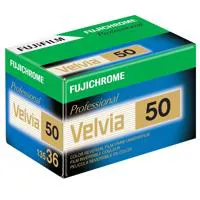
Fujifilm Fuji Velvia RVP 50 35mm Color Slide Film, 36 Exposure
SKU: FJRVP5036MFR: 16329161
(35)- Fujifilm Velvia 50: Fine grain, vibrant color film.
- ISO 50: Achieve exceptional sharpness and detail.
- 35mm Film: 36 exposures for standard cameras.
- RVP 50: Consistent results in daylight conditions.
- Fujichrome Film: Experience high color saturation.
On Backorder
?
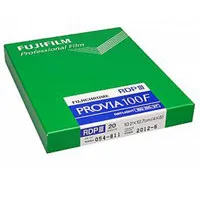
Fujifilm Fujichrome Provia RDP III 100F Color Slide Film ISO 100, 4x5 -20 Sheets
SKU: FJRDP34520MFR: 16326133
(40)- Fujifilm Provia 100F: Fine grain, ISO 100 film.
- Exceptional color saturation for vibrant images.
- 4x5 format: 20 sheets of professional slide film.
- Consistent results: Daylight balanced color film.
- Wide exposure latitude; capture every detail.
On Backorder
?
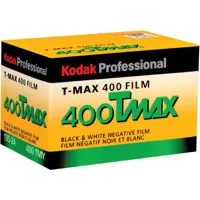
Kodak T-Max 400, 400TMY, Black & White Film, 35mm Size, 24 Exposure
SKU: KKTMY24UMFR: 8521114
(84)- Kodak T-Max 400: Fine grain, high sharpness film.
- ISO 400 black and white film: Wide exposure latitude.
- 35mm film: Excellent push/pull ability for B&W prints.
- Achieve archival quality with Kodak black & white film.
- High contrast T-Max 400 film: Superb detail clarity.
On Backorder
?
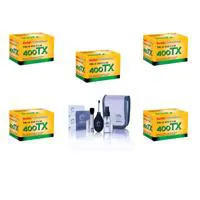
Kodak 5x Tri-X Pan 400, Black & White Negative Film 35mm, 36 Exp W/Cleaning Kit
SKU: KKTX36U5MFR: 8667073 5
(192)- Capture stunning images with ISO 400 Black & White Film.
- Experience fine grain & high sharpness with Kodak Tri-X Pan.
- Enjoy wide latitude for versatile B&W photography.
- Achieve archival quality negatives with TX-Pan 35mm film.
- Excellent medium contrast for classic B&W film results.
Temporarily On Backorder
?
Free Shipping


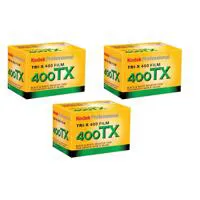
Kodak 3 Pack Tri-X Pan 400, Black & White Negative Film 35mm, 36 Exp
SKU: KKTX36U3MFR: 8667073 3
(192)- Capture stunning detail with high sharpness film.
- Achieve exceptional tonality in black and white film.
- Enjoy wide latitude film for versatile exposures.
- Fine grain film ensures quality enlargements.
- Reliable ISO 400 film speed for various conditions.
Temporarily On Backorder
?
Free Shipping