
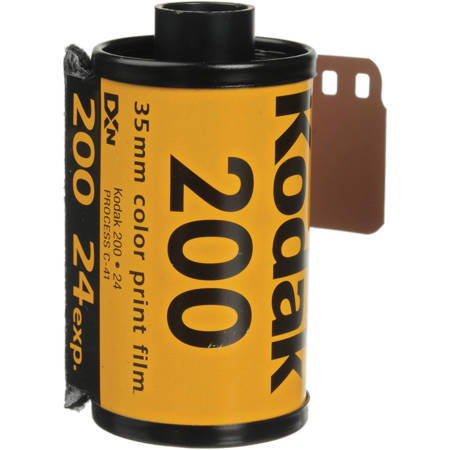
Colorful Films
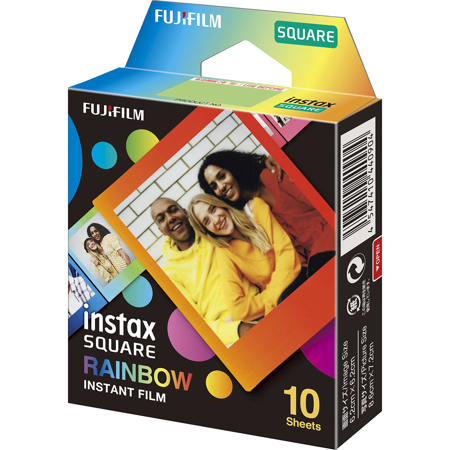
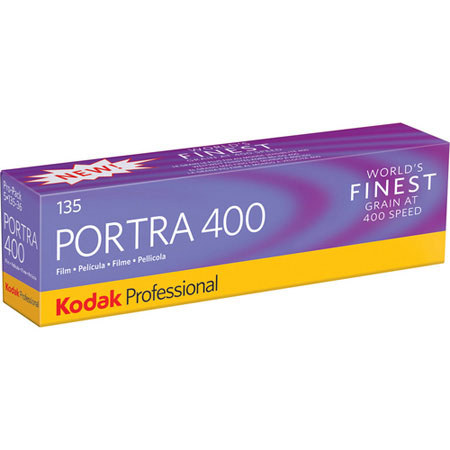
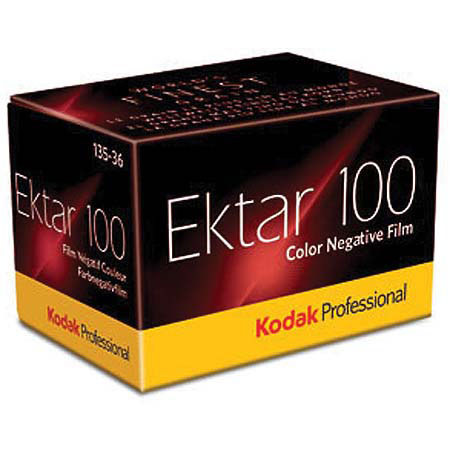
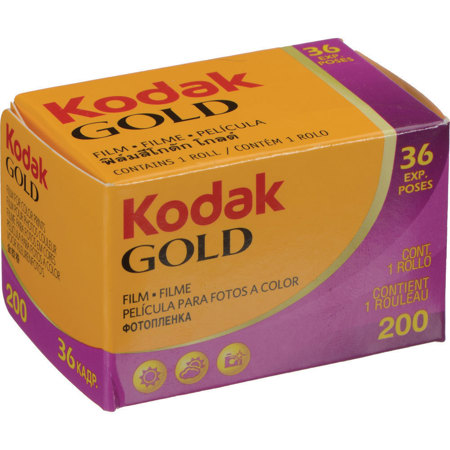
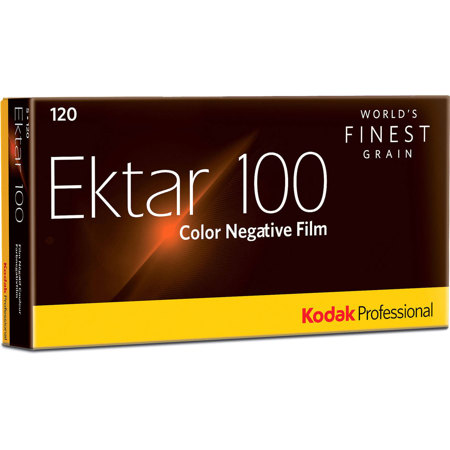
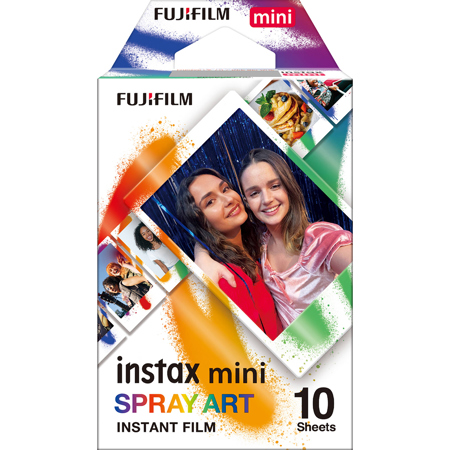
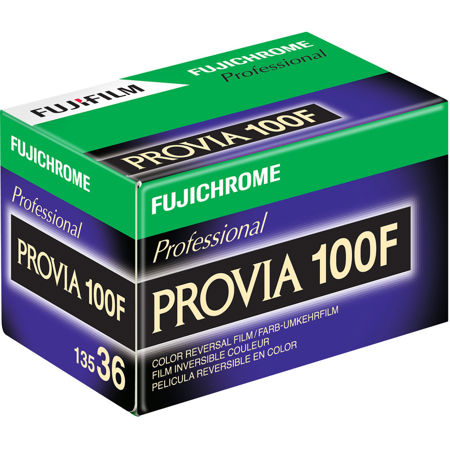
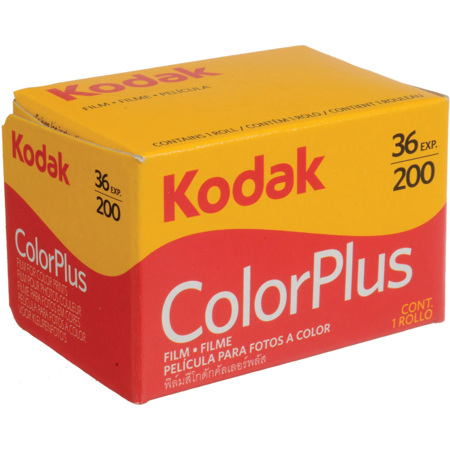
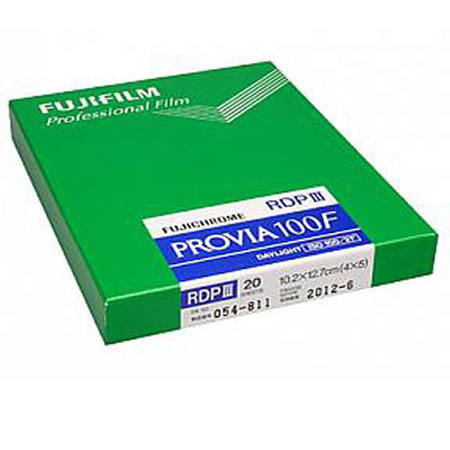
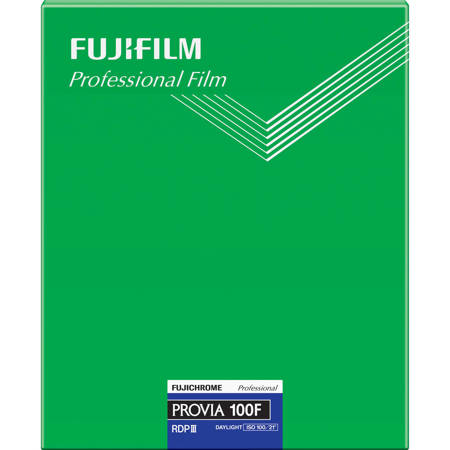
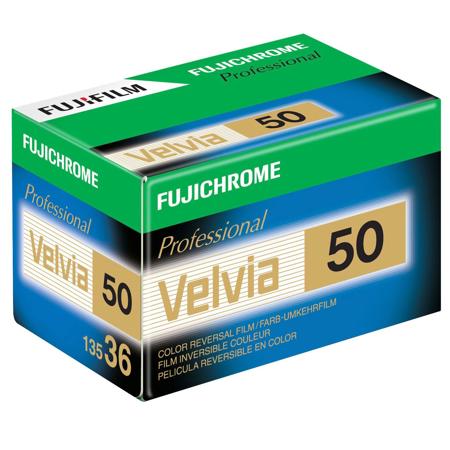
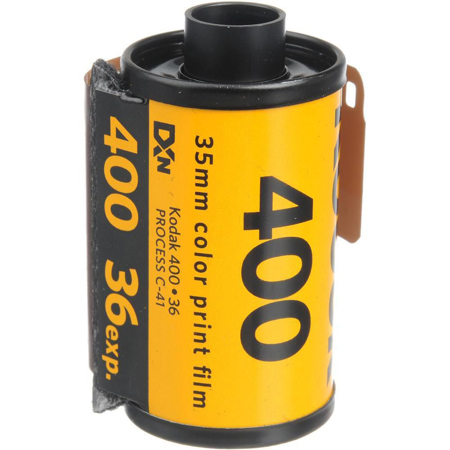
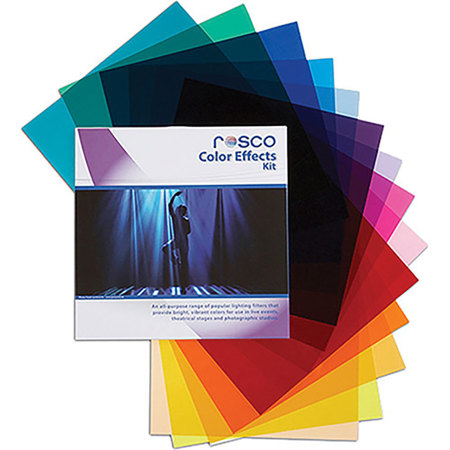
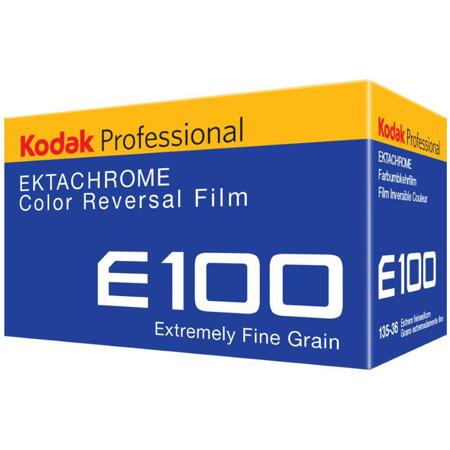
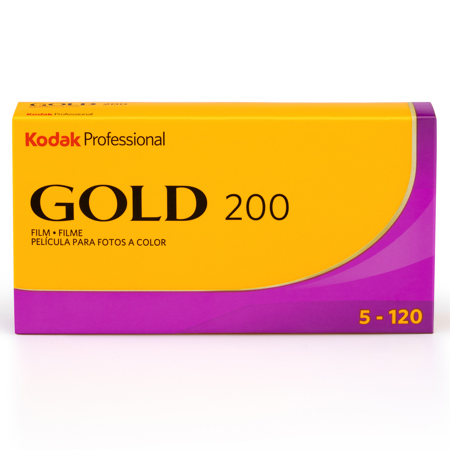
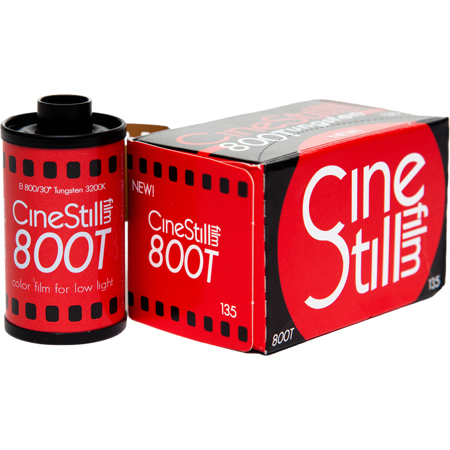
Colorful films have long captivated audiences with their ability to turn every frame into a vivid canvas, transforming ordinary scenes into unforgettable visual experiences. Whether you’re an aspiring director, a seasoned cinematographer, or a passionate hobbyist, the choice of color-rich film stocks and vibrant digital workflows can profoundly influence the mood and storytelling power of your projects. These products are designed to amplify the emotional resonance of your footage, letting you play with bold primaries, lush pastels, or deep, atmospheric tones—whatever best suits your creative vision. As the weather shifts from the warmth of summer to the gentle coolness of fall, filmmakers often find themselves inspired by the changing natural palette, eager to capture the saturated greens of late summer, the golden hues of early autumn, or the electric city lights that come alive as nights grow longer. This is the season when color becomes more than just a technical consideration; it becomes a storytelling tool, a way to evoke nostalgia, excitement, or even surreal wonder in your audience.
When selecting colorful film products, there are a few key considerations to keep in mind. First, think about the intended look and feel of your project. Some films and digital filters are celebrated for their punchy, high-contrast colors, making them ideal for music videos, fashion shoots, or experimental shorts that demand attention. Others offer more nuanced, painterly palettes, perfect for narrative films, dreamy travelogues, or evocative portraits. If you’re gifting these products, they make a thoughtful present for students just starting their filmmaking journey, creative friends who love to experiment with aesthetics, or anyone looking to document special occasions—like summer festivals, vibrant cityscapes, or family gatherings—through a more artistic lens. Many creators use colorful films to pay homage to the iconic visual styles of celebrated directors, or to infuse personal projects with a sense of whimsy, drama, or heightened reality. The tactile pleasure of loading a fresh roll of film, or the anticipation of seeing your digital edits come to life in post-production, can be deeply satisfying—especially when the results are as dazzling as the scenes that inspired them.
For those looking to explore curated selections and discover new ways to harness the power of color in their work, resources like Filmmaker's Week Colored Films provide inspiration and expert recommendations tailored to a wide range of creative needs. Whether you’re seeking the saturated intensity favored in stylized genre films, the pastel symmetry that defines certain auteur-driven projects, or the neon vibrancy that brings futuristic worlds to life, there are options to suit every taste and technical requirement. The right colorful film product can help you capture the fleeting magic of golden hour, the electric energy of a city at night, or the soft, nostalgic glow of autumn afternoons. As you plan your next shoot or look for the perfect gift for a fellow creator, consider how color can elevate your storytelling, turning ordinary moments into visual masterpieces that linger in the memory long after the credits roll.
When selecting colorful film products, there are a few key considerations to keep in mind. First, think about the intended look and feel of your project. Some films and digital filters are celebrated for their punchy, high-contrast colors, making them ideal for music videos, fashion shoots, or experimental shorts that demand attention. Others offer more nuanced, painterly palettes, perfect for narrative films, dreamy travelogues, or evocative portraits. If you’re gifting these products, they make a thoughtful present for students just starting their filmmaking journey, creative friends who love to experiment with aesthetics, or anyone looking to document special occasions—like summer festivals, vibrant cityscapes, or family gatherings—through a more artistic lens. Many creators use colorful films to pay homage to the iconic visual styles of celebrated directors, or to infuse personal projects with a sense of whimsy, drama, or heightened reality. The tactile pleasure of loading a fresh roll of film, or the anticipation of seeing your digital edits come to life in post-production, can be deeply satisfying—especially when the results are as dazzling as the scenes that inspired them.
For those looking to explore curated selections and discover new ways to harness the power of color in their work, resources like Filmmaker's Week Colored Films provide inspiration and expert recommendations tailored to a wide range of creative needs. Whether you’re seeking the saturated intensity favored in stylized genre films, the pastel symmetry that defines certain auteur-driven projects, or the neon vibrancy that brings futuristic worlds to life, there are options to suit every taste and technical requirement. The right colorful film product can help you capture the fleeting magic of golden hour, the electric energy of a city at night, or the soft, nostalgic glow of autumn afternoons. As you plan your next shoot or look for the perfect gift for a fellow creator, consider how color can elevate your storytelling, turning ordinary moments into visual masterpieces that linger in the memory long after the credits roll.