Control Surfaces
Control surfaces are fundamental components in the world of aviation and marine navigation, serving as the critical mechanisms that allow pilots and operators to command the movement and attitude of their craft. Whether you're a seasoned pilot, a flight training student, or an aviation enthusiast, understanding the function and importance of these surfaces is essential. Ailerons, elevators, and rudders are the primary control surfaces found on most aircraft, each playing a distinct role in maneuvering through the skies. Ailerons, located on the trailing edge of the wings, work in opposition to one another to roll the aircraft left or right, providing precise control over the longitudinal axis. Elevators, attached to the horizontal stabilizer on the tail, move up or down to adjust the pitch, allowing the nose of the aircraft to rise or fall. The rudder, mounted on the vertical tail fin, governs yaw, steering the nose left or right for coordinated turns and directional control. Together, these surfaces enable smooth, responsive flight, whether you’re executing a gentle bank over a winter landscape or managing challenging crosswinds on approach.
Secondary control surfaces further enhance an aircraft’s performance and safety, particularly in demanding conditions. Flaps and slats, for example, extend from the wings to increase lift and drag, making slower, more controlled flight possible during takeoff and landing—a crucial advantage when operating on short, icy runways in the colder months. Spoilers or airbrakes disrupt lift and increase drag, aiding in descent control or rapid deceleration when needed. Trim tabs, though small, are invaluable for reducing pilot fatigue, as they help neutralize control forces and maintain stable flight with minimal manual input. These features make control surfaces not only essential for professional pilots and flight instructors but also for aviation hobbyists and students using flight simulators to master the nuances of real-world aircraft handling. For those interested in gifting, control surface models or simulator accessories can be thoughtful presents for aspiring aviators, flight school graduates, or anyone passionate about aviation technology, offering hands-on experience and a deeper appreciation for the art and science of flight.
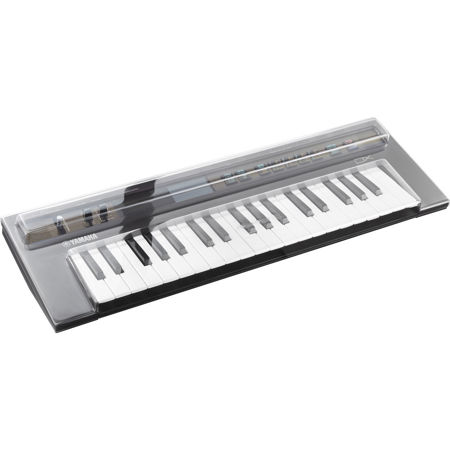
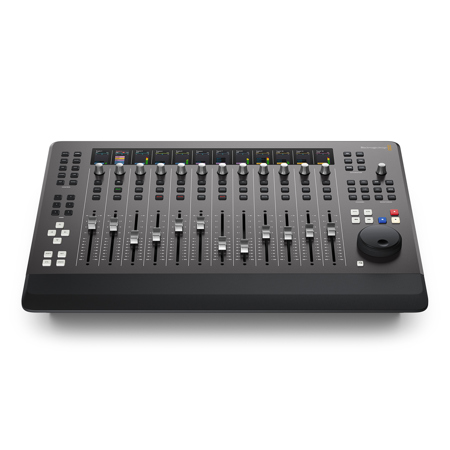
Selecting the right control surface equipment or educational tools involves careful consideration of both current needs and future ambitions. Durability, precision, and compatibility with training devices are key factors, especially for those investing in flight simulators or building model aircraft for instructional purposes. Many users also explore related technologies, such as tactile feedback systems or integrated cockpit panels, to create a more immersive and authentic training environment. In the broader context of creative control, musicians and producers often seek out similar tactile interfaces for their studios, blending the worlds of aviation precision and musical expression. If your interests extend into the realm of music production, you may want to explore our collection of Keyboard Controllers, which offer hands-on command over digital audio workstations in much the same way that control surfaces empower pilots and operators. Whether you’re navigating the skies or orchestrating a symphony of sounds, the right control surface can unlock new levels of performance, safety, and creative possibility, making it an indispensable tool for professionals and enthusiasts alike.
Secondary control surfaces further enhance an aircraft’s performance and safety, particularly in demanding conditions. Flaps and slats, for example, extend from the wings to increase lift and drag, making slower, more controlled flight possible during takeoff and landing—a crucial advantage when operating on short, icy runways in the colder months. Spoilers or airbrakes disrupt lift and increase drag, aiding in descent control or rapid deceleration when needed. Trim tabs, though small, are invaluable for reducing pilot fatigue, as they help neutralize control forces and maintain stable flight with minimal manual input. These features make control surfaces not only essential for professional pilots and flight instructors but also for aviation hobbyists and students using flight simulators to master the nuances of real-world aircraft handling. For those interested in gifting, control surface models or simulator accessories can be thoughtful presents for aspiring aviators, flight school graduates, or anyone passionate about aviation technology, offering hands-on experience and a deeper appreciation for the art and science of flight.
Selecting the right control surface equipment or educational tools involves careful consideration of both current needs and future ambitions. Durability, precision, and compatibility with training devices are key factors, especially for those investing in flight simulators or building model aircraft for instructional purposes. Many users also explore related technologies, such as tactile feedback systems or integrated cockpit panels, to create a more immersive and authentic training environment. In the broader context of creative control, musicians and producers often seek out similar tactile interfaces for their studios, blending the worlds of aviation precision and musical expression. If your interests extend into the realm of music production, you may want to explore our collection of Keyboard Controllers, which offer hands-on command over digital audio workstations in much the same way that control surfaces empower pilots and operators. Whether you’re navigating the skies or orchestrating a symphony of sounds, the right control surface can unlock new levels of performance, safety, and creative possibility, making it an indispensable tool for professionals and enthusiasts alike.