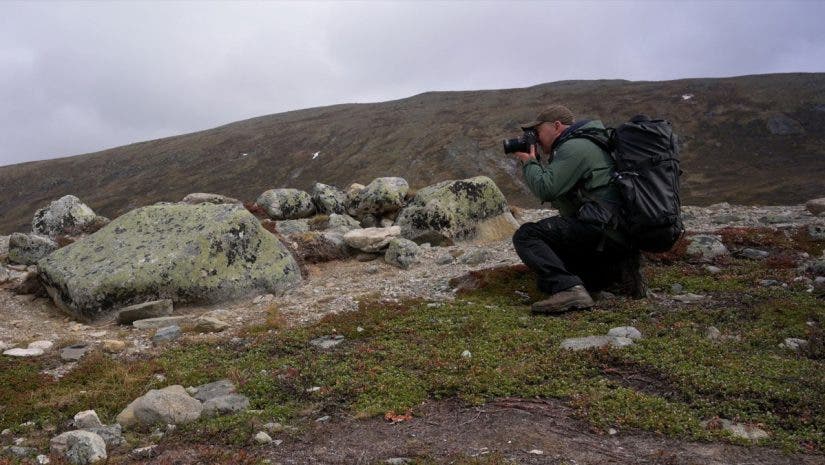
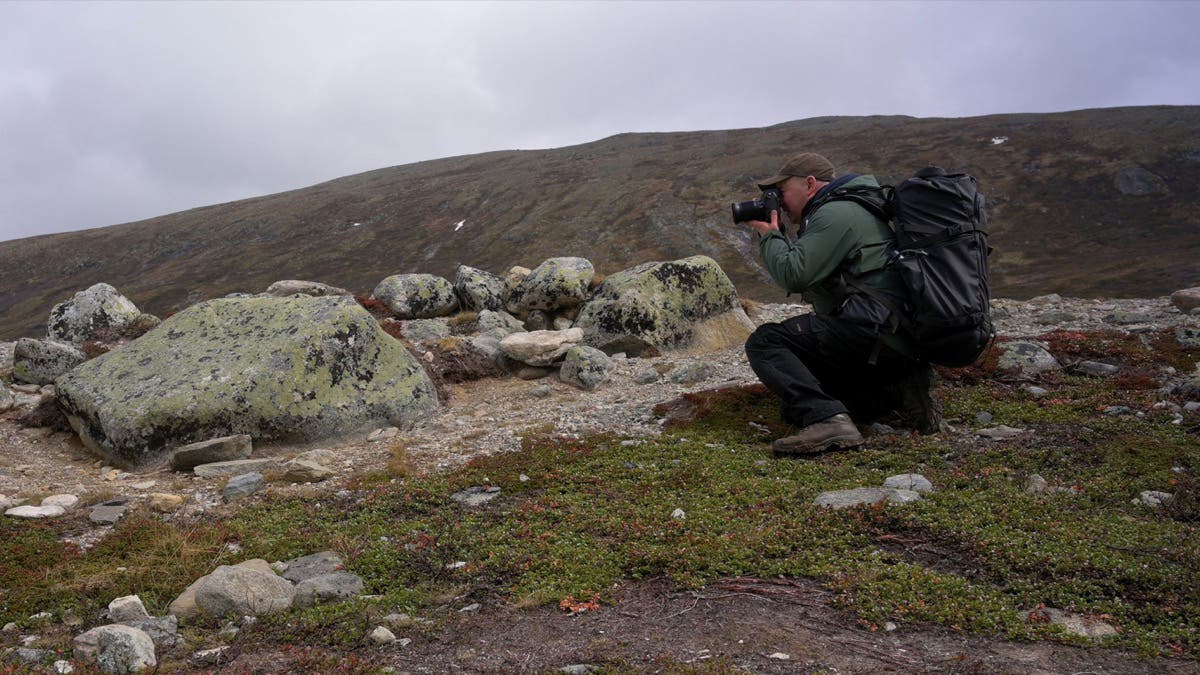
Planning my recent wildlife photography expedition in the Norwegian Fjell raised a couple of technical issues of a different nature from those I’m used to. I had no problem deciding what photo equipment to bring; I was quite okay with camping life. What I wasn’t prepared for was carrying a huge amount of heavy stuff uphill and over long distances. None of my adventure backpacks or camera bags were up for the job. I set out on the quest of choosing a travel backpack. The backpack had to be large enough, and it had to be tough enough to handle the job.
I needed a backpack that also works as a camera bag, large enough to accommodate all my gear, rugged enough to withstand the Norwegian mountains, and supportive enough to let me function and maintain my workflow. My quest took me on a research journey on both how to choose the right adventure travel camera backpack and what options are available. Here is what I found out.
What to Look for When Choosing a Large-Sized Travel Backpack
When you are considering large camera bags, capacity is the most obvious feature to check, but not the most important one. What I found to be of the utmost importance was organization. Let me explain.
As a wildlife and nature photographer, I carry more than one lens at all times. I usually have a bulky telephoto lens, currently a 600mm prime lens, and a more versatile wide-angle lens, which is currently a 24-70mm zoom lens. Furthermore, I also often bring lenses to fit a specific shot I have in mind. In this case, I needed a 20mm for shooting wide fjell vistas.
Now, when I look for a camera bag, I look for space for two cameras, at least two lenses (one of which is big), and accessories. I also look for a bag able to accommodate a camera-lens combo that includes the 600mm lens. You may have a different configuration in mind; every photographer does. But make sure you pick a camera bag that fits your purpose.
Next on my list is safety. I want my gear to be protected from the elements, including water, dirt, dust, cold, and sun. I want it to be snug when I trek for 20km in the rough Norwegian Fjall. My go-to large camera bags must have those special camera inserts that store your gear individually and minimize shaking and hits.
Getting into the Fine Details of Choosing a Travel Backpack
Now that I know the bag can hold and protect my gear, I look for access modes. Adventure travel involves a lot of shooting on the move. I want to be able to take the camera out fast and without too much fuss, have the lens already attached, and be ready to take photos within seconds of spotting the subject. In wildlife photography, I want this process to be silent as well to avoid disturbing the animals.
At this point, my list of requests is half done, and I’m wondering whether I will ever find the right adventure travel camera backpack. I took care of my gear and photography workflow, but I didn’t take care of myself yet.
For a photography experience in the wilderness, I need camping gear, sustenance, and clothes. Even though I choose lightweight equipment and go for the most minimalist approach I can imagine (e.g., filtering water from streams, using trekking poles as tent poles, using my clothes as a pillow, etc.), I still end up with a heavy load for the backpack to accommodate. Therefore, it must be resistant, leave me some room after I pack the photo gear, and do everything within a backpack’s powers to help me carry the load.
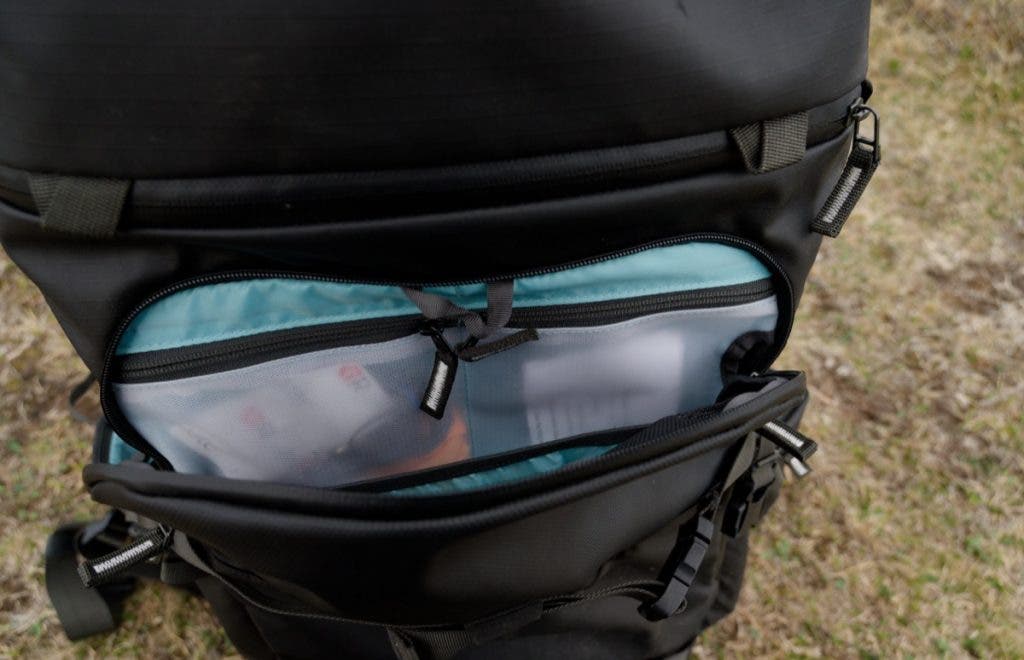
For instance, I need pockets at hand to store items I use on the go, such as snacks and water, so I don’t have to put down the heavy bag each time I need a sip of water. I also need supportive, comfortable straps for long treks, a smart weight-distribution system to protect my back, and adjustability to customize the backpack to my stature, torso, and carrying style.
Summing up, I ended up exploring Shimoda and F-stop travel and adventure camera backpacks.
My Shortlist of Camera Backpacks
Shimoda and F-stop 70-80L and 40-50L Alternatives
I categorize the options by capacity because you need to get it right from the start. It also narrows your research and saves you time.
A backpack larger than you need will be uncomfortable and heavier on its own. Also, it will lure you into taking more stuff. A smaller backpack than you need is obviously useless. For comparison, a 50L F-stop adventure camera backpack weighs 1.9kg, and an 80L one weighs 2.4kg. Are you prepared to carry an extra 500 grams for nothing? I’m not. In my opinion, deciding between a 40-50L backpack and a 70-80L backpack is the first step.
Why Get One Range Instead of the Other?
The 40-50L backpacks are lighter, more compact, and cheaper. They have all the characteristics of the bigger ones, use the same quality materials, and resist just as well (i.e., comparing similar models from the same brand). The only drawback is the capacity and load limit. You will put fewer things and less weight in a 40-50L backpack than in a 70-80L one.
The 70-80L backpacks are heavier and more expensive, but can fit more of everything. If you need the extra space and can carry it (I wouldn’t recommend carrying loads over 25% of your weight on long treks and hikes), go for the larger option.
If you don’t mind the extra weight and cost, you may also choose a 70-80L backpack as a precaution against needing to buy another one in the future when you need a larger volume. But make sure it compacts to a smaller size (e.g., rollable top, removable head, compression straps, etc.).
Shimoda Action X70 HD 70L Backpack
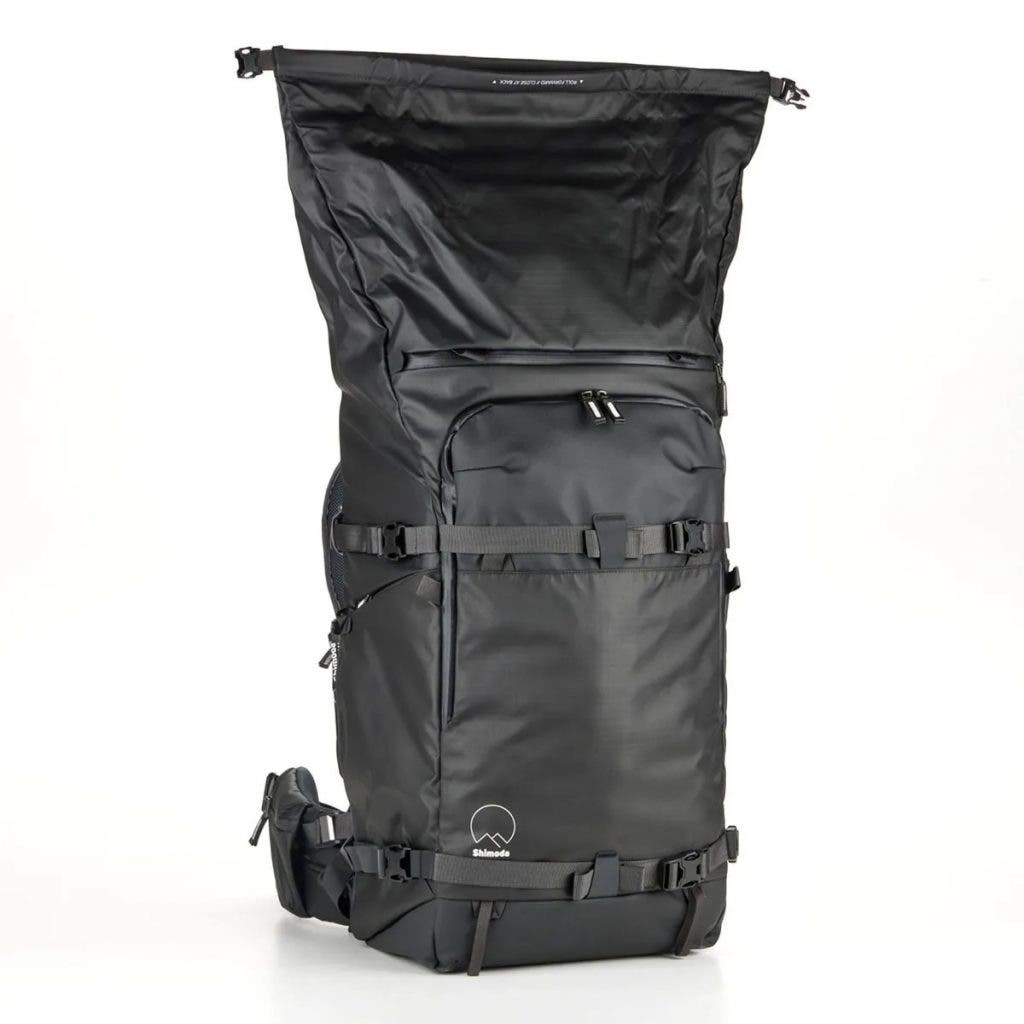
The X70 HD is the camera backpack I decided on for my expedition. I needed the space it offers and appreciated the versatility. It was a good match for my workflow.
The backpack allows you to adjust the torso size (three options), has pockets on the back straps and on the waist belt, is durable and water-resistant (with a rain cover), and, most importantly, accommodates camera inserts of various sizes. For my camera-600mm lens combo, I opted for the XXL insert, which you can access via the back and the top. The top is rollable, which means I could use the same backpack to carry a lighter load on the days I had the camp set up.
Read Peter’s detailed review of the X70HD
Who is this bag for?
The X70 HD is a heavy-duty, versatile backpack designed for large video and photo kits and off-grid creators. It accommodates large lenses and plenty of equipment, both inside and on the exterior. For wildlife photographers like me, who go on multiday treks and shoot on the go, it’s the perfect choice.
F-stop Shinn 80L DuraDiamond Travel and Adventure Camera Backpack
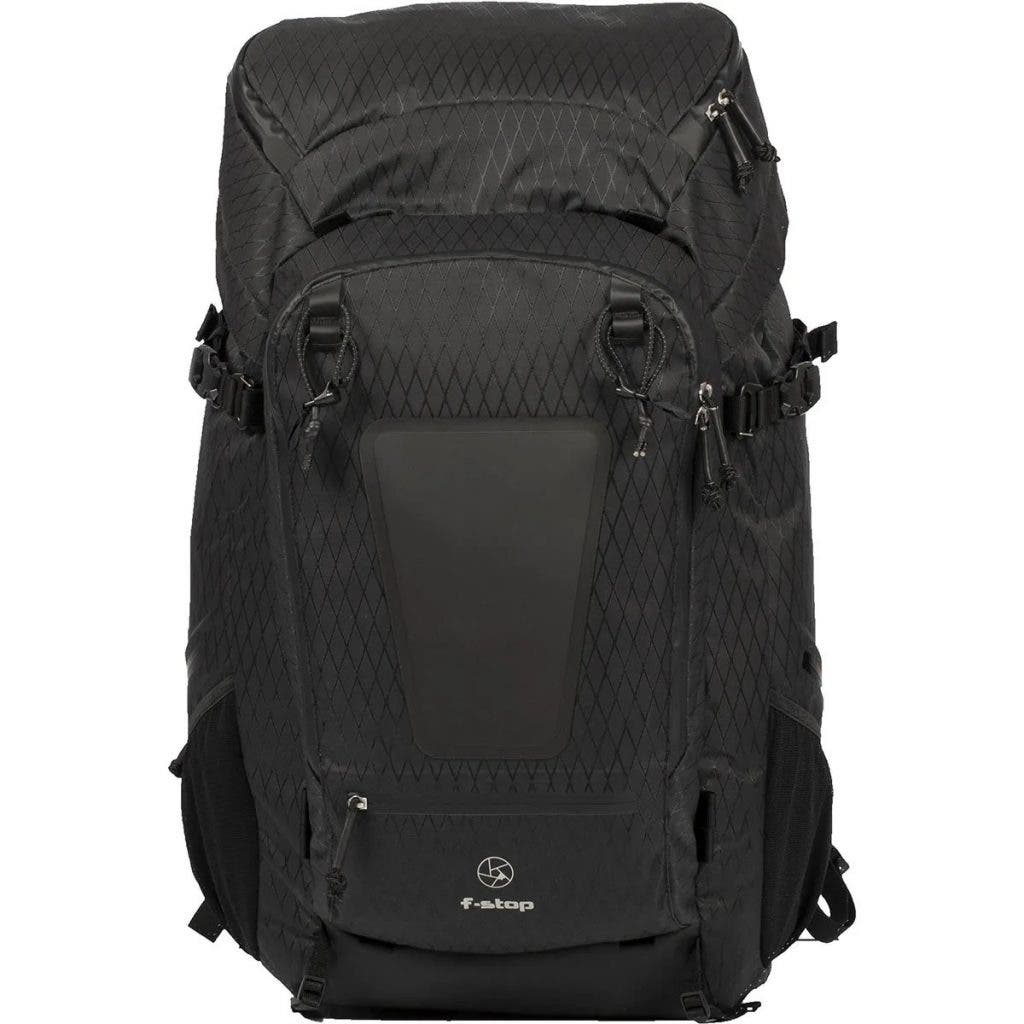
The F-stop Shinn 80L was also shortlisted in my quest for the best backpack. The capacity is even larger than the X70 HD, accommodating a large photo or video kit, camping gear, and anything else you need on a multiday adventure. The backpack is compatible with Internal Camera Units and features a back panel with a variety of magnetic and zippered closures to keep your gear in order. It’s definitely rugged, ergonomic, supportive, and padded for comfort.
Who is this bag for?
The F-stop Shinn 80L is for adventurers, campers, and expedition photographers who need the large 80L capacity. If you carry a lower load, you have only the compression straps to rely on for compactness. However, with and without the camera insert, the F-stop Shinn 80L is lighter than the X70 HD. So, even if you end up carrying a larger bag, you’ll carry a lower load. It’s compactness versus weight here.
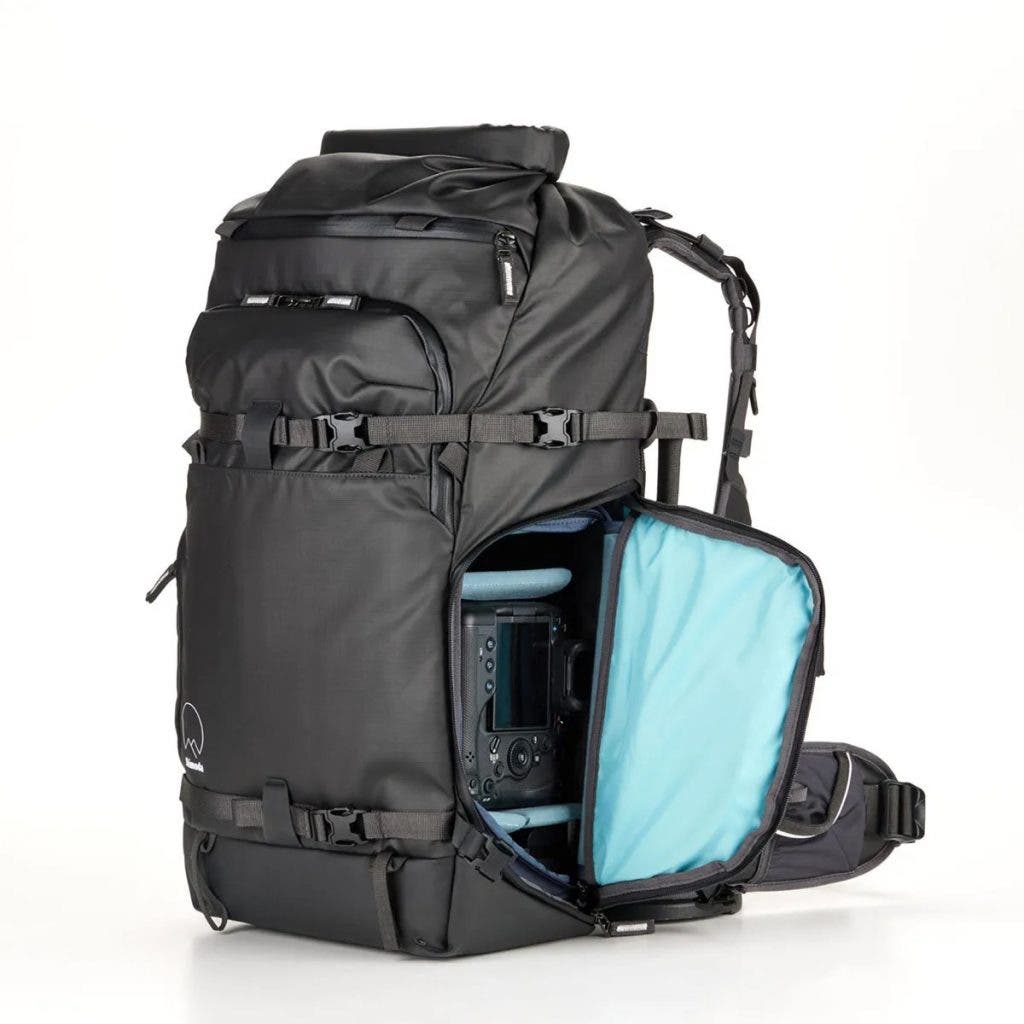
Shimoda Action X40 V2 40L Backpack
The X40 V2 40L is a rugged backpack designed for short and intense adventures. It withstands any weather and terrain, keeps your gear safe, and provides quick access. Like the X70 HD, it is compatible with Core Units and dedicated camera inserts and can accommodate DSLRs and mirrorless cameras, multiple lenses, and accessories. The tripod and water bottle can sit in the generous outside pockets. The belt is removable for easy handling as a carry-on bag.
Who is this bag for?
The X40 V2 40L would be my choice of a backpack for efficient, quick, outdoor photo sessions. Imagine the camp is set up or the hotel room is waiting for you at the end of the day, and you just hike and take photos all day long. It accommodates your photo gear and a few other items, without trying to be the only bag you bring.
F-stop Tilopa 50L DuraDiamond Travel and Adventure Camera Backpack
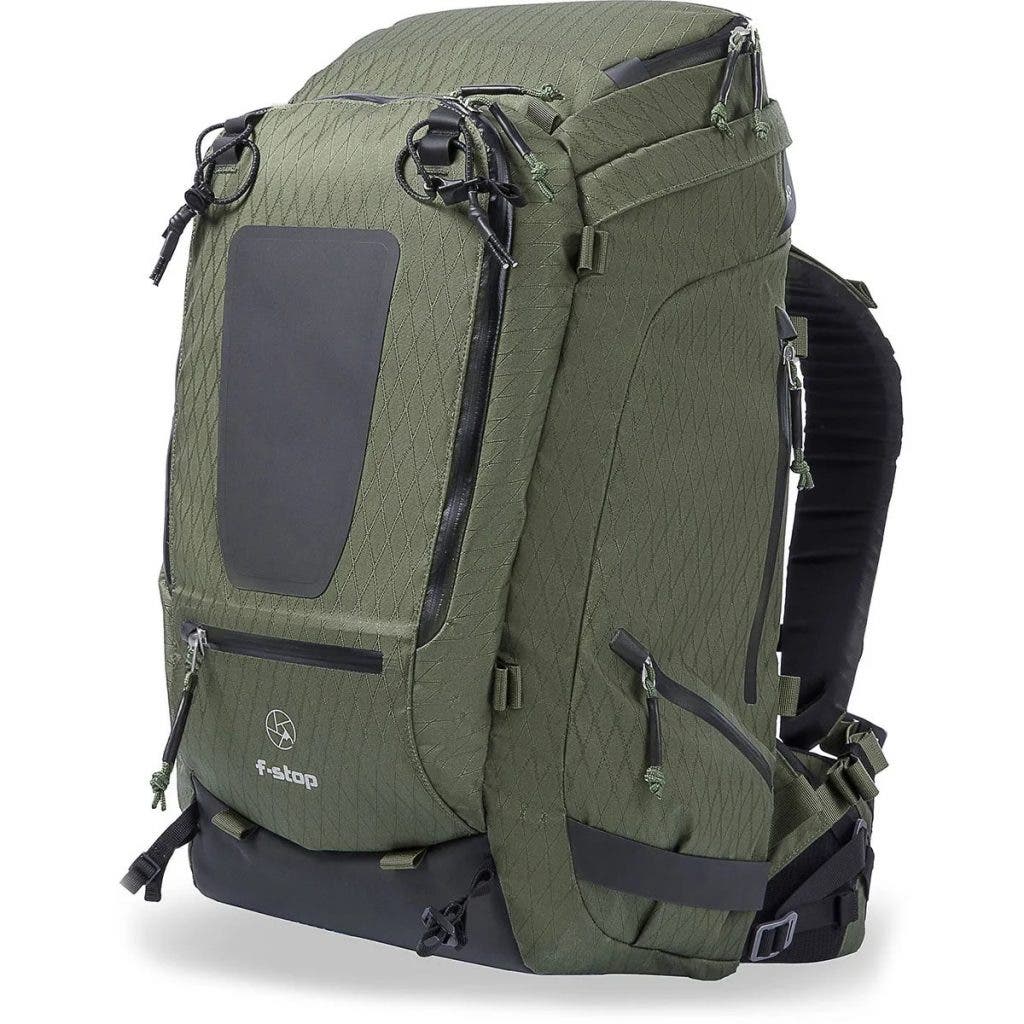
The Tilopa 50L is F-stop’s lighter alternative. However, 50L can be enough space for a generous camera insert, camping gear, and personal items for a multiday expedition. The backpack is robust, lightweight, ergonomic, and weather-proofed. Like the larger Shinn 80L, it features the keep-everything-organized back panel. The 3-liter hydration bladder compartment ensures you will stay hydrated even on hikes with scarce water sources.
Who is this bag for?
The Tilopa 50L is a good choice if you would like to carry more but physically can’t. In the end, you optimize your possibilities. The backpack isn’t so restrictive in terms of space as a 40L bag, can still accommodate a large photo setup and personal items, and provides plenty of places to put extra gear on the exterior.
Final Thoughts
I’m aware of how many personal considerations come into play when choosing an adventure travel camera backpack. Bag choice is not just about your photo and video gear, workflow, or photographic style. It’s also about your fitness level, constitution, and health restrictions. It’s also about the very specific characteristics of your adventures. I hope I provided a general framework for choosing the right backpack, helping you worry less, suffer less, and have more fun in the wilderness.
These bags are all great for long trips, but sometimes we just want to head out for a morning shoot. Read Peter’s advice on finding local spots in the article: The 5-mile Radius: Finding Nature In Your Own Backyard.