Assistive Listening Systems For Churches
In today’s vibrant and diverse worship communities, providing clear and accessible sound is essential for ensuring every congregant feels included and engaged. Assistive listening systems for churches have become a cornerstone of modern church audio, especially as congregations grow and sanctuaries expand. These systems are thoughtfully engineered to deliver crisp, intelligible audio directly to those who need it most, bypassing the distractions of ambient noise, reverberation, or distance from the pulpit. Whether you’re updating an established sanctuary, outfitting a new worship space, or simply seeking ways to better serve members with hearing loss, the right assistive listening system for church environments can make a profound difference. During seasons when attendance swells—such as the warmer months filled with weddings, community gatherings, or as the calendar turns toward the reflective, cooler days of fall—ensuring that everyone can participate fully in worship is more important than ever.
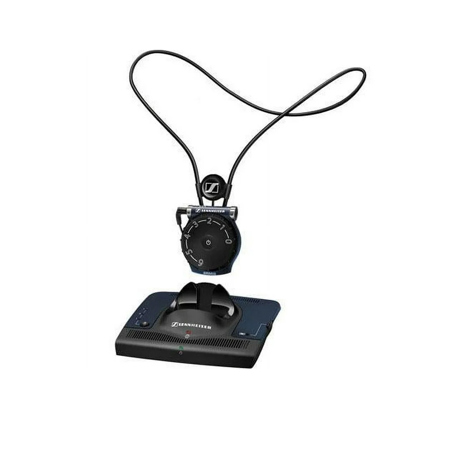
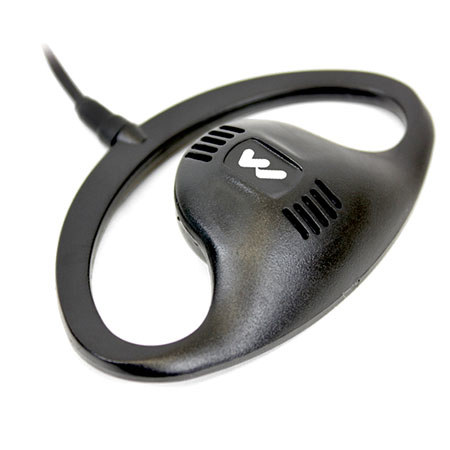
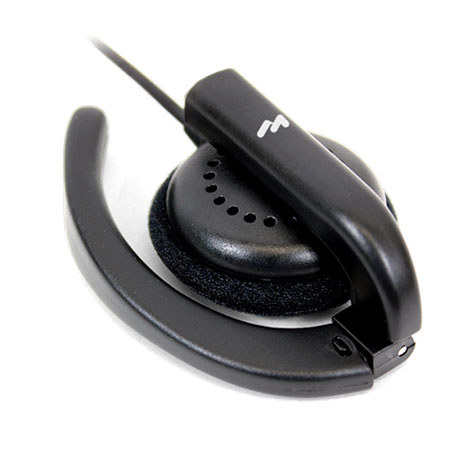
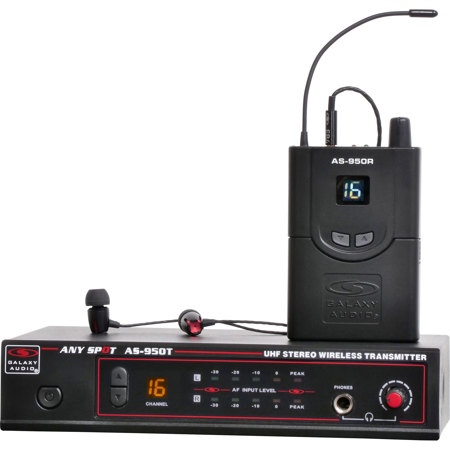
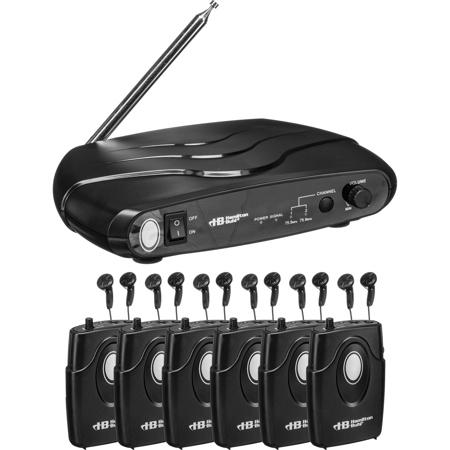
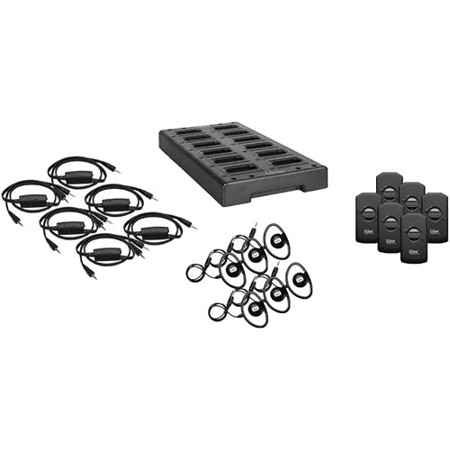
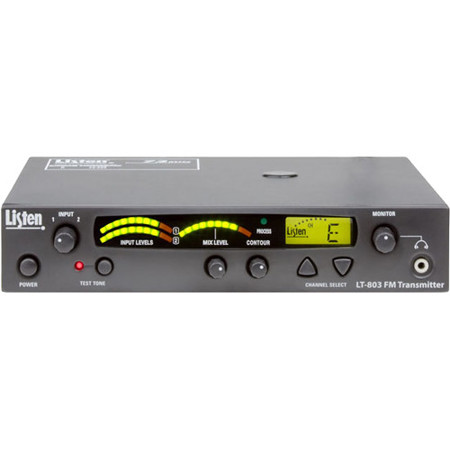
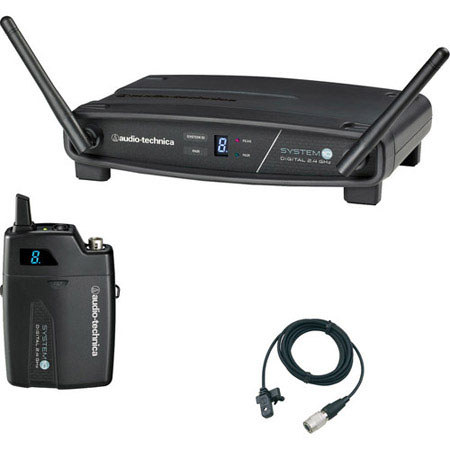
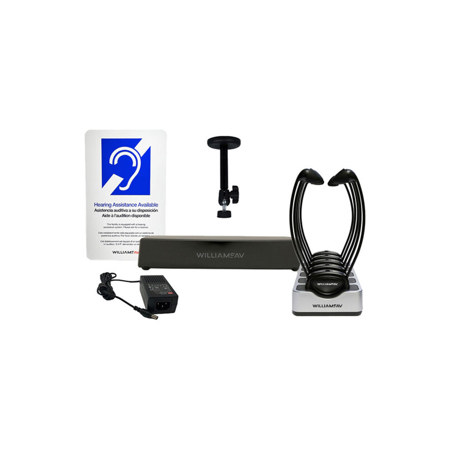
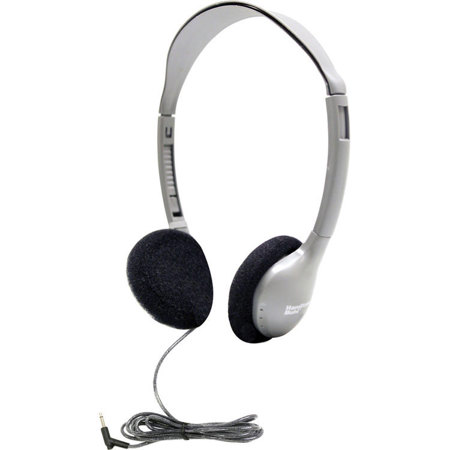
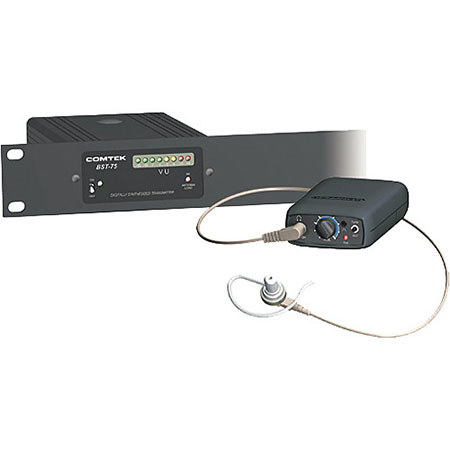
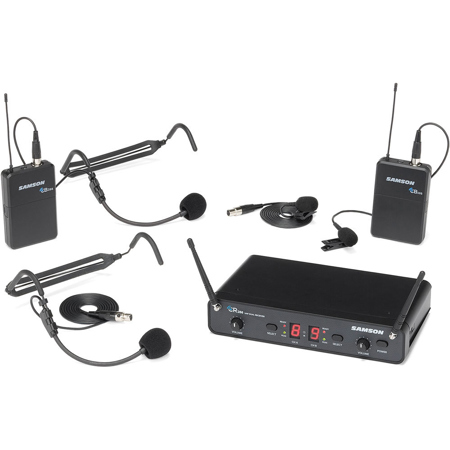
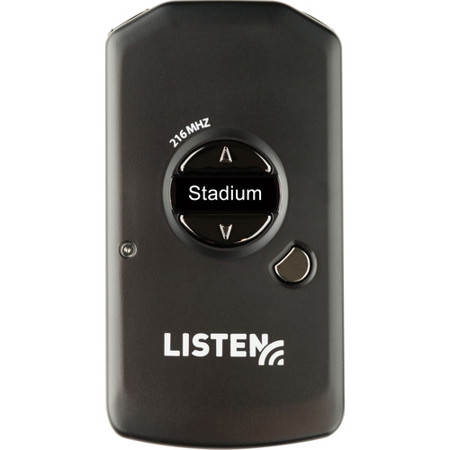
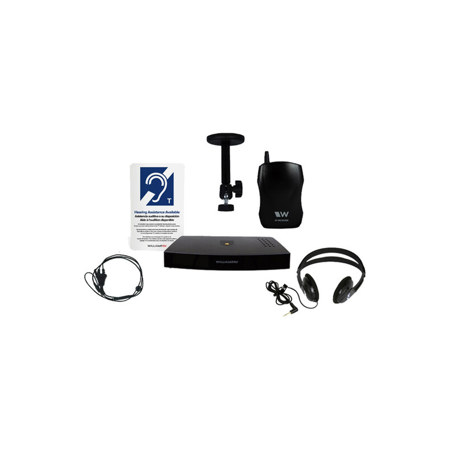
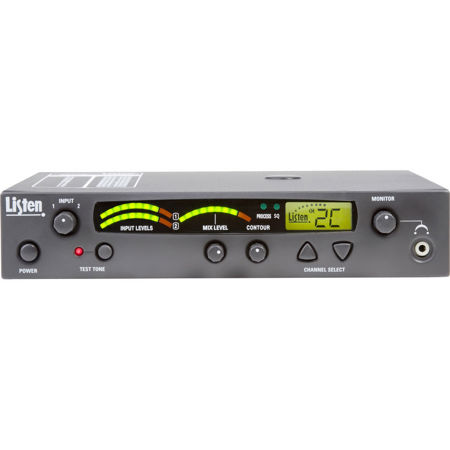
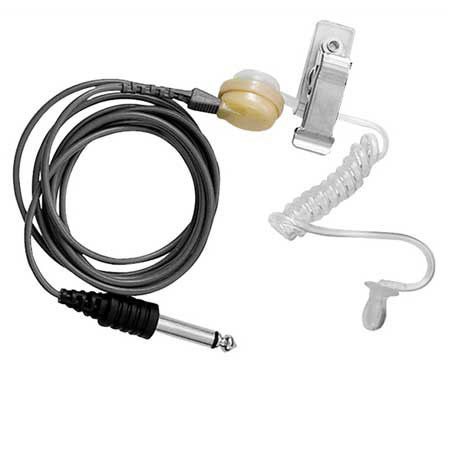
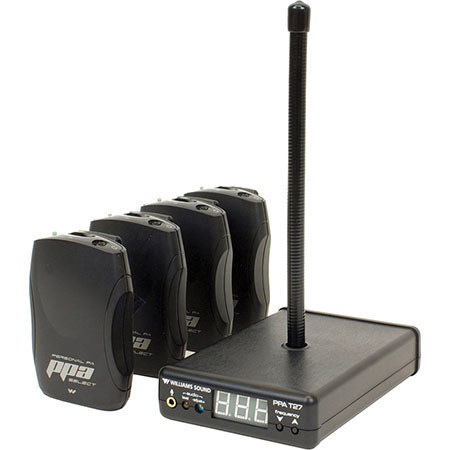
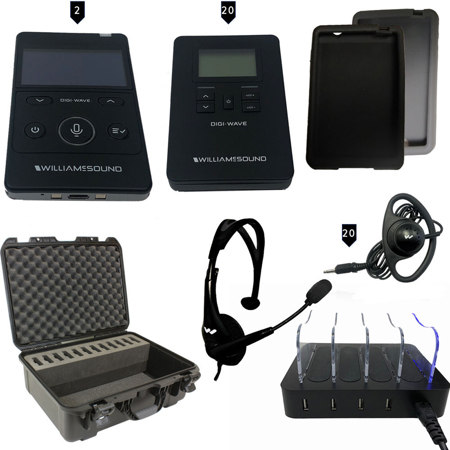
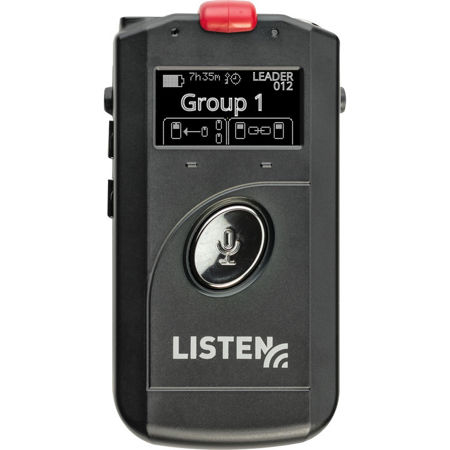
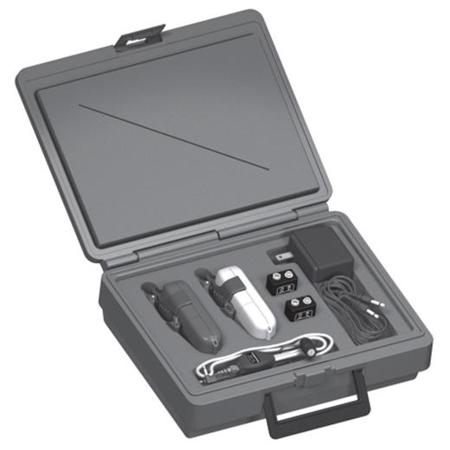
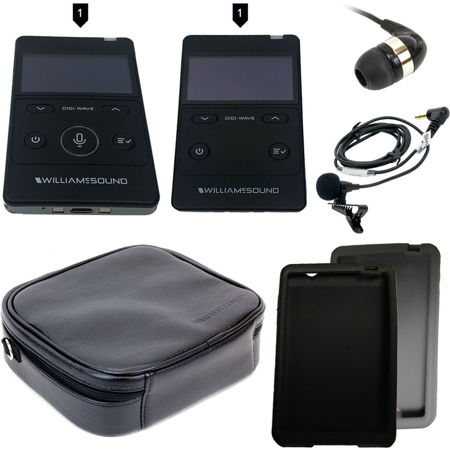
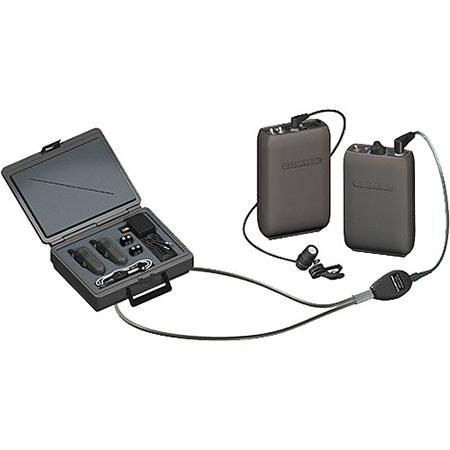
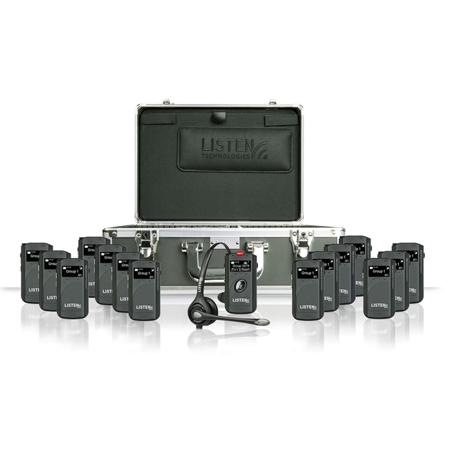
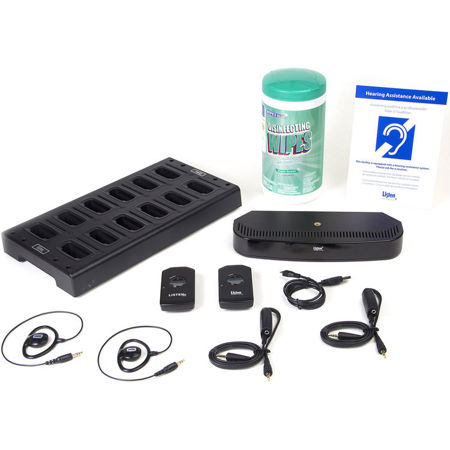
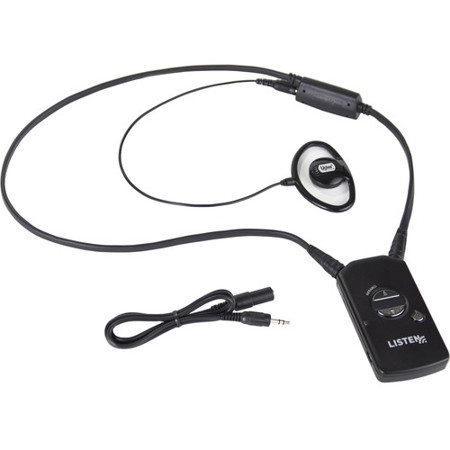
Choosing the best assistive listening devices for churches involves considering a variety of factors, from the size and layout of your sanctuary to the unique needs of your congregation. Some systems are designed to broadcast high-quality audio wirelessly, allowing parishioners to use their own smartphones, hearing aids, or dedicated receivers—an option that’s especially appreciated by tech-savvy congregations or communities in metropolitan areas like Seattle, where assisted listening systems for churches are increasingly common. Other solutions, such as induction loop systems, transmit a magnetic signal directly to hearing aids equipped with telecoils, offering a seamless and discreet experience for regular hearing aid users. For churches with multiple overflow rooms or spaces, Wi-Fi-based systems can stream real-time audio to personal devices, ensuring that even those not seated in the main sanctuary can remain connected to the service. Traditional FM or RF systems, meanwhile, remain a reliable choice, providing bodypack receivers and earpieces that are easy to distribute and ADA-compliant. When selecting an assistive listening system for church use, it’s also important to consider installation logistics, maintenance needs, and how you’ll communicate availability to your congregation—clear signage and staff training go a long way toward making church hearing assistance truly accessible.
Assistive listening for worship isn’t just about compliance or technology—it’s about fostering an environment where every voice, every hymn, and every message is shared and received. These systems are invaluable for older adults, lifelong parishioners, newcomers, and visitors alike, as well as for families who want to ensure that loved ones with hearing challenges can participate fully in community life. They also make thoughtful, practical gifts for those who attend services regularly, offering a renewed sense of connection and belonging. Whether you’re preparing for a season of joyful celebration or quiet reflection, investing in church hearing assistance technology is a meaningful way to demonstrate care for your entire community. For those exploring options beyond the church setting, including devices suitable for home, events, or other public spaces, our curated collection of Assistive Listening Devices for Adults offers solutions designed to meet a wide range of needs. With the right tools in place, every member of your congregation can experience the full richness of worship—season after season, year after year.
Choosing the best assistive listening devices for churches involves considering a variety of factors, from the size and layout of your sanctuary to the unique needs of your congregation. Some systems are designed to broadcast high-quality audio wirelessly, allowing parishioners to use their own smartphones, hearing aids, or dedicated receivers—an option that’s especially appreciated by tech-savvy congregations or communities in metropolitan areas like Seattle, where assisted listening systems for churches are increasingly common. Other solutions, such as induction loop systems, transmit a magnetic signal directly to hearing aids equipped with telecoils, offering a seamless and discreet experience for regular hearing aid users. For churches with multiple overflow rooms or spaces, Wi-Fi-based systems can stream real-time audio to personal devices, ensuring that even those not seated in the main sanctuary can remain connected to the service. Traditional FM or RF systems, meanwhile, remain a reliable choice, providing bodypack receivers and earpieces that are easy to distribute and ADA-compliant. When selecting an assistive listening system for church use, it’s also important to consider installation logistics, maintenance needs, and how you’ll communicate availability to your congregation—clear signage and staff training go a long way toward making church hearing assistance truly accessible.
Assistive listening for worship isn’t just about compliance or technology—it’s about fostering an environment where every voice, every hymn, and every message is shared and received. These systems are invaluable for older adults, lifelong parishioners, newcomers, and visitors alike, as well as for families who want to ensure that loved ones with hearing challenges can participate fully in community life. They also make thoughtful, practical gifts for those who attend services regularly, offering a renewed sense of connection and belonging. Whether you’re preparing for a season of joyful celebration or quiet reflection, investing in church hearing assistance technology is a meaningful way to demonstrate care for your entire community. For those exploring options beyond the church setting, including devices suitable for home, events, or other public spaces, our curated collection of Assistive Listening Devices for Adults offers solutions designed to meet a wide range of needs. With the right tools in place, every member of your congregation can experience the full richness of worship—season after season, year after year.