





Developer Chemicals
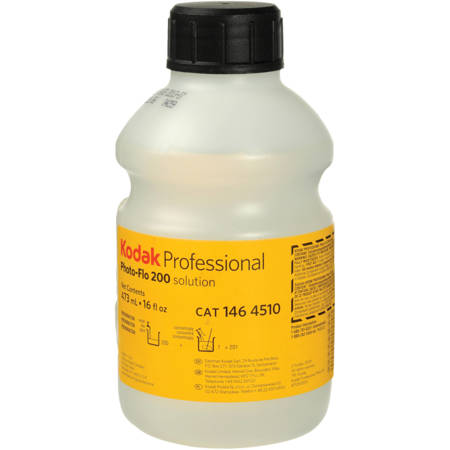
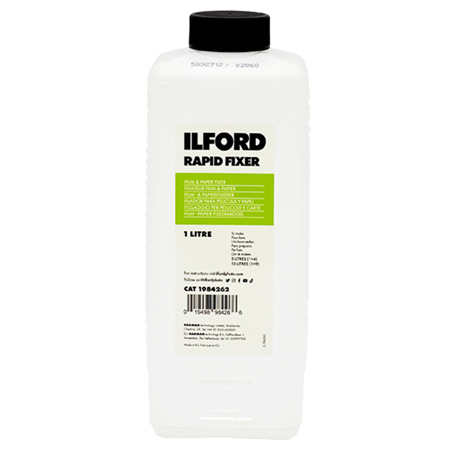
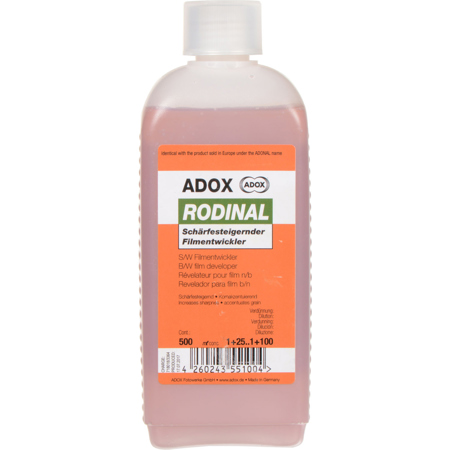
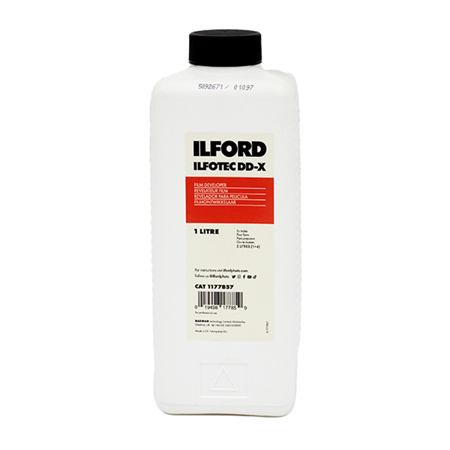
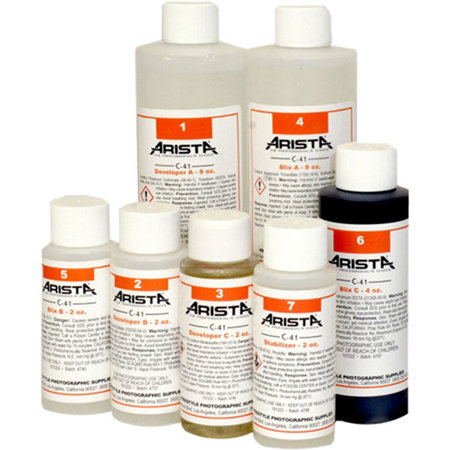
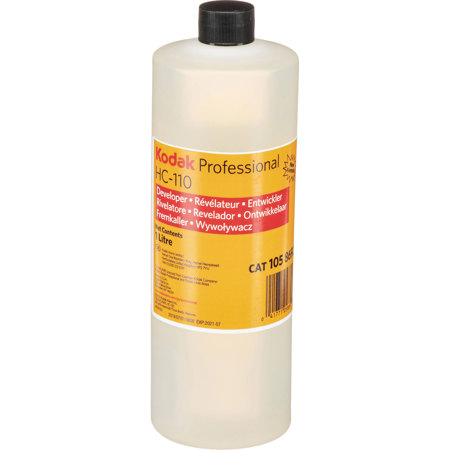
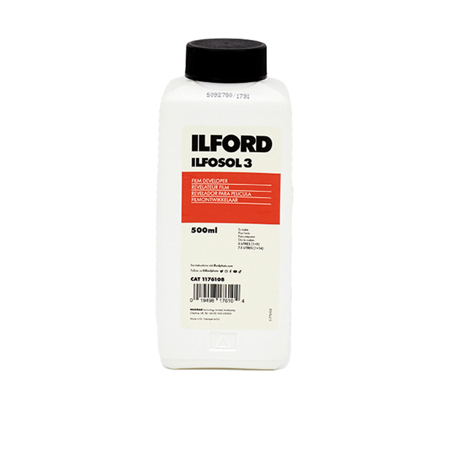
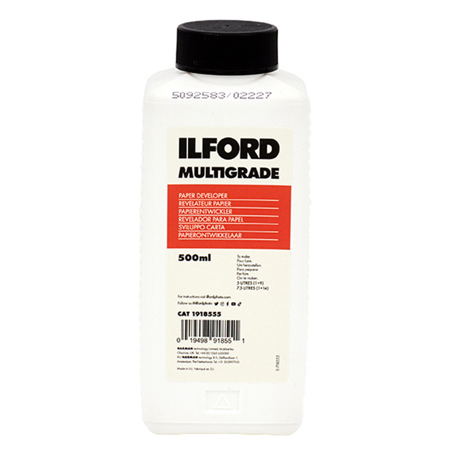
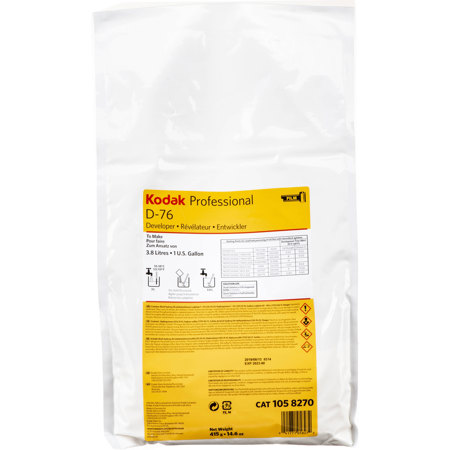
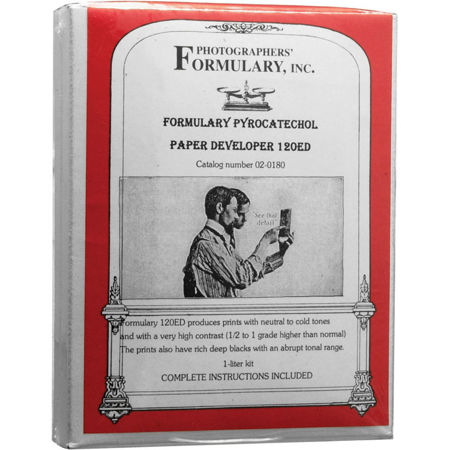
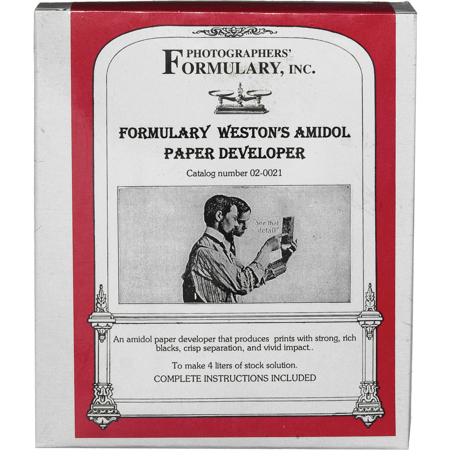
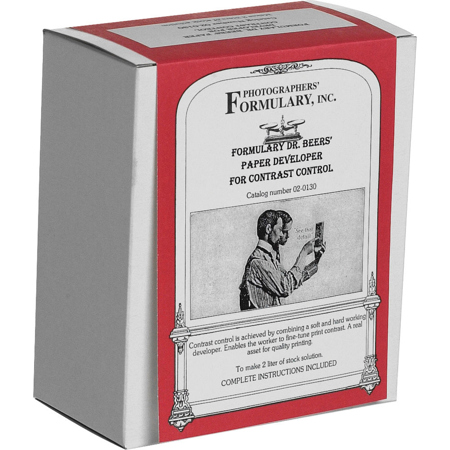
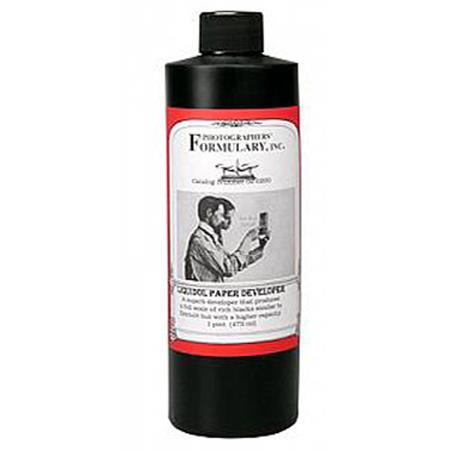
Whether you’re a seasoned darkroom enthusiast, a student just discovering the tactile joys of analog photography, or a maker exploring printed circuit board (PCB) design, developer chemicals are essential tools that bring your creative visions to life. In photography, these specialized chemical solutions are responsible for transforming latent images captured on film or photographic paper into visible, lasting works of art. The process relies on reducing agents within the developer that react with light-exposed silver halide crystals, converting them into metallic silver and thus revealing the image. For black and white photography, developers tend to be more forgiving, allowing for a bit more flexibility in processing times and temperatures. Color film, on the other hand, requires precise control over timing and temperature—making the workflow more sensitive but also deeply rewarding for those who appreciate the craft. As the days grow longer and the light shifts through early summer into fall, many photographers find inspiration in the changing seasons, capturing everything from sun-drenched landscapes to the rich, atmospheric tones of late summer evenings. For those looking to experiment with or perfect their darkroom skills, stocking up on fresh developer chemicals is a practical way to ensure consistent, high-quality results throughout the warmer and cooler months alike.
Beyond photography, developer chemicals play a vital role in fields such as X-ray imaging and electronics, particularly in the fabrication of PCBs. Here, alkaline developer solutions are used to dissolve unexposed photoresist on copper-clad boards, revealing intricate circuit patterns that form the backbone of countless electronic devices. Whether you’re a hobbyist etching your first circuit or a professional assembling prototypes, the right developer chemistry ensures clean, precise results. Safety is always a top priority when handling these solutions—many contain compounds that are highly alkaline or otherwise hazardous. It’s essential to work in well-ventilated areas, wear appropriate gloves and goggles, and follow all recommended handling and disposal guidelines. Proper storage and careful attention to expiration dates help prevent spoiled chemicals from compromising your projects. For educators, developer chemicals can be a thoughtful gift or classroom resource, opening up hands-on opportunities for students to learn about photographic processes, chemistry, or electronics in a tangible, memorable way. Similarly, gifting a set of developer chemicals to a photography lover or DIY electronics enthusiast can spark new creative projects as the seasons shift, offering them the tools they need to experiment and grow.
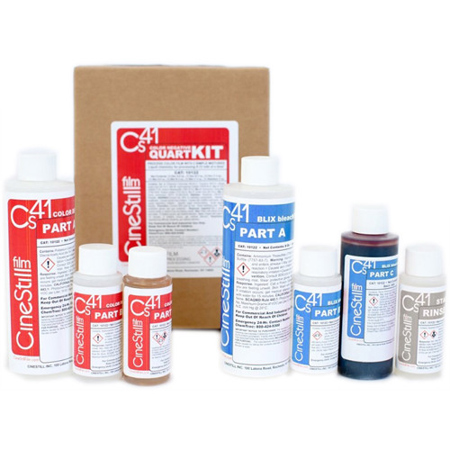
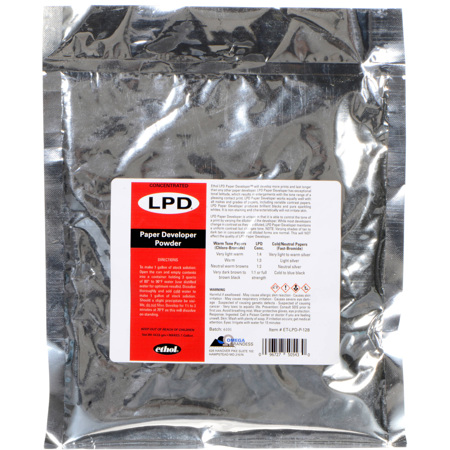
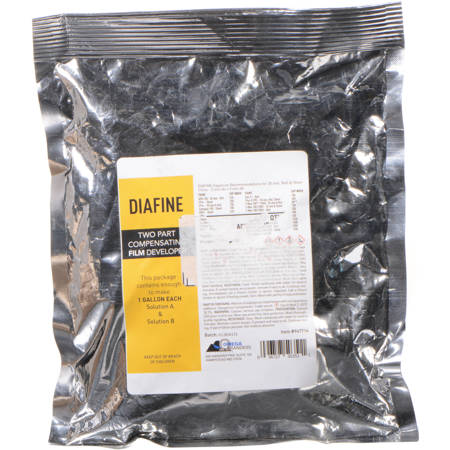
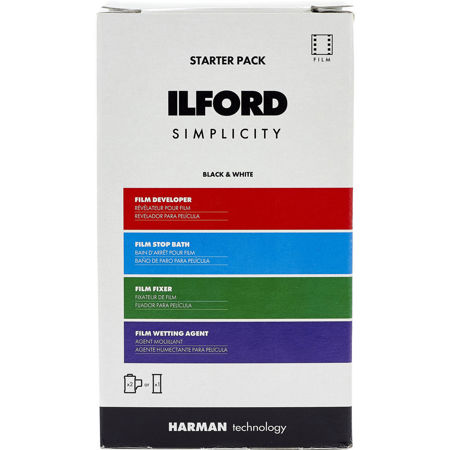
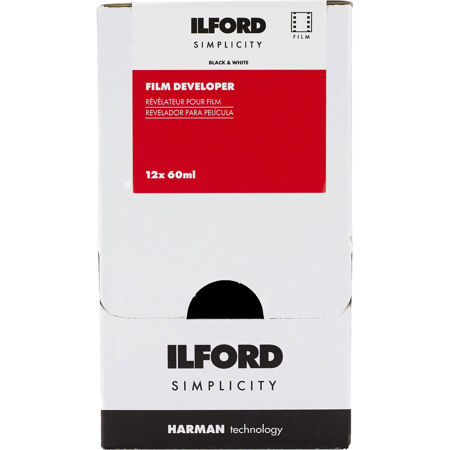
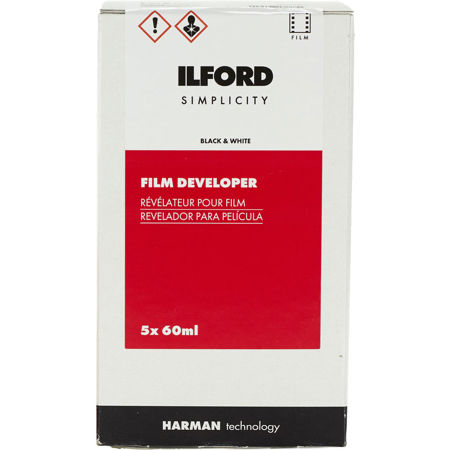
Choosing the right developer chemical depends on your medium, workflow, and experience level. Some developers are designed for universal use, while others are tailored for specific film types, contrast levels, or processing speeds. Beginners might appreciate ready-to-mix kits that simplify the measuring and mixing process, while advanced users often prefer bulk concentrates or powders for greater control and economy. When planning a season of creative work, consider how much developer you’ll need for your anticipated number of rolls, prints, or PCBs, and keep in mind that fresh chemistry is key to achieving reliable results. For those who want to dive deeper into the world of photographic development, explore our comprehensive selection of Film Developers to find the right option for your next project. Whether you’re printing in a home darkroom, processing film in a community lab, or crafting your own electronics, the right developer chemicals are the foundation for turning inspiration into reality.
Beyond photography, developer chemicals play a vital role in fields such as X-ray imaging and electronics, particularly in the fabrication of PCBs. Here, alkaline developer solutions are used to dissolve unexposed photoresist on copper-clad boards, revealing intricate circuit patterns that form the backbone of countless electronic devices. Whether you’re a hobbyist etching your first circuit or a professional assembling prototypes, the right developer chemistry ensures clean, precise results. Safety is always a top priority when handling these solutions—many contain compounds that are highly alkaline or otherwise hazardous. It’s essential to work in well-ventilated areas, wear appropriate gloves and goggles, and follow all recommended handling and disposal guidelines. Proper storage and careful attention to expiration dates help prevent spoiled chemicals from compromising your projects. For educators, developer chemicals can be a thoughtful gift or classroom resource, opening up hands-on opportunities for students to learn about photographic processes, chemistry, or electronics in a tangible, memorable way. Similarly, gifting a set of developer chemicals to a photography lover or DIY electronics enthusiast can spark new creative projects as the seasons shift, offering them the tools they need to experiment and grow.
Choosing the right developer chemical depends on your medium, workflow, and experience level. Some developers are designed for universal use, while others are tailored for specific film types, contrast levels, or processing speeds. Beginners might appreciate ready-to-mix kits that simplify the measuring and mixing process, while advanced users often prefer bulk concentrates or powders for greater control and economy. When planning a season of creative work, consider how much developer you’ll need for your anticipated number of rolls, prints, or PCBs, and keep in mind that fresh chemistry is key to achieving reliable results. For those who want to dive deeper into the world of photographic development, explore our comprehensive selection of Film Developers to find the right option for your next project. Whether you’re printing in a home darkroom, processing film in a community lab, or crafting your own electronics, the right developer chemicals are the foundation for turning inspiration into reality.